Luntertun, Church ruin in Ängelholm Municipality, Sweden
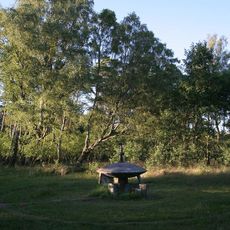
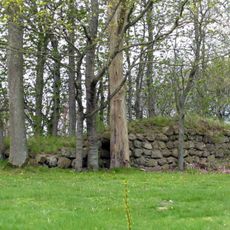
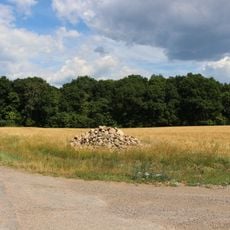
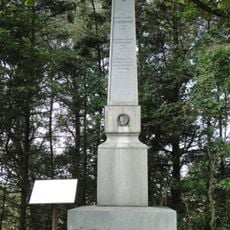
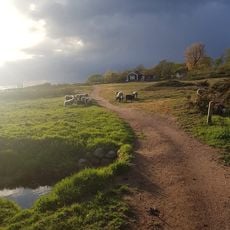
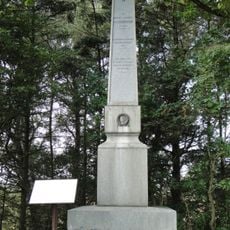
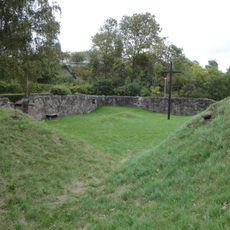
Luntertun is a church ruin in Ängelholm Municipality consisting of stone remnants of ancient walls and structural foundations. The visible remains show the building's original layout and give a sense of its former size and design.
Luntertun is first mentioned in 1303, when the Danish king assured Jon Litle that the salmon weir at Luntertun would not block salmon from swimming up the Rönne å. In 1471 Archbishop Tuve placed the newly built chapel there under Barkåkra parish church. In 1516 Christian II ordered the town dissolved and moved to the new town of Ängelholm; the church was later demolished and its bell moved to Ängelholm Church.
The town's name, first recorded in 1303, still puzzles scholars: one proposal reads it as a Low German form of "London town", another links it to a word for a sluggard. The church bell, cast in 1470 by a master named Lars or Laurentius, was moved to Ängelholm's church and remains in use there.
The site is freely accessible and can be visited throughout the year during daylight hours without any admission fee. Sturdy footwear is advisable since the ground can be uneven, and weather protection is recommended.
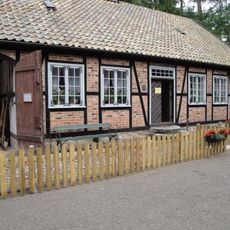
The church bell cast in 1470 by a founder named Lars still hangs in Ängelholm Church; its inscription reads "Ave Maria gracia plena" and names Tummi Klaussøn and Ageta. Wall fragments unearthed in the 1925–1927 excavations were later built into a house in Ängelholm's hembygdspark.
The community of curious travelers
AroundUs brings together thousands of curated places, local tips, and hidden gems, enriched daily by 94,021 contributors worldwide.