Långbro sjukhus, Former psychiatric hospital turned apartment complex in Stockholm, Sweden
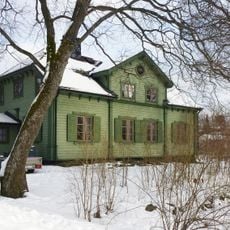
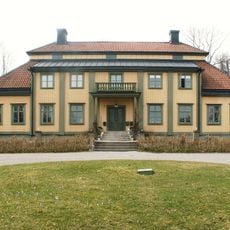
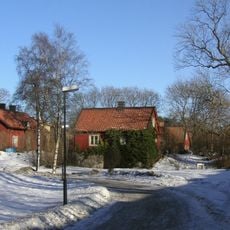
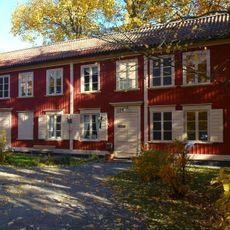
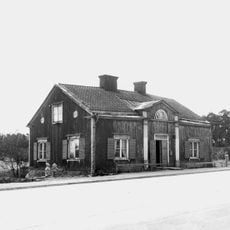
Långbro sjukhus is a former psychiatric facility now serving as a residential complex in Stockholm, with multiple buildings featuring early 1900s architecture connected by covered passages. Wide gardens surround the site and separate the different wings from one another.
Stockholm commissioned construction in 1902, and the facility began receiving patients in December 1909 as a specialized institution for treating nervous conditions. Later, the shift from hospital to housing reflects broader changes in Swedish healthcare policy and urban land use.
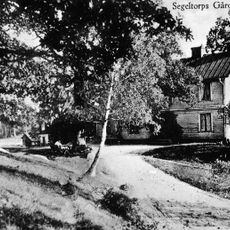
The site lies in Långbro, in the Brännkyrka area of Stockholm, and the hospital took its name from the farm and district there. The core of the former hospital grounds is now Långbroparken, and a hospital museum documents the institution's history. The German Nazi Hermann Göring was admitted here several times between 1925 and 1927 for mental illness linked to his morphine addiction.
The former hospital core is now Långbroparken, the green space at the centre of the Långbro district in Stockholm. The site lies within Stockholm municipality, and the old building layout still shapes how you move through the area. The Långbro sjukhus museum covers the institution's history.
Hermann Göring was admitted to Långbro sjukhus several times between 1925 and 1927 for mental health problems linked to his morphine addiction. Another patient, called "Elisabeth" in the press and dubbed "Sweden's most dangerous woman", was photographed in 1977 at age 22, dressed in a black refuse sack and bound hand and foot, with a smuggled camera. She received the correct diagnosis only in 1990 and was discharged in 1999, among the hospital's last patients.
The community of curious travelers
AroundUs brings together thousands of curated places, local tips, and hidden gems, enriched daily by 93,840 contributors worldwide.