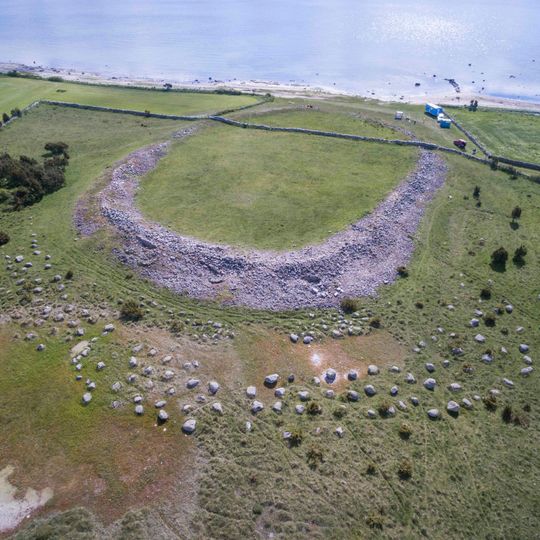
Sandby borg, Iron Age ringfort in Öland, Sweden
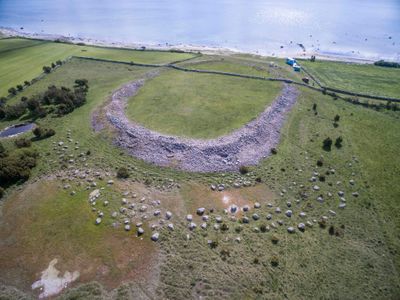
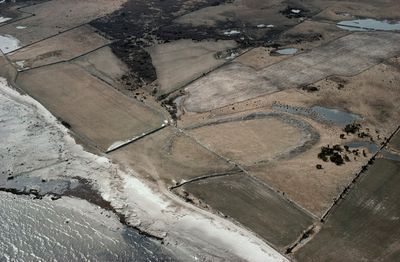
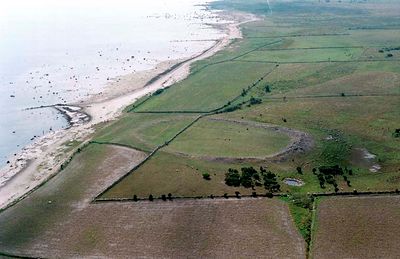
Sandby borg is an Iron Age ringfort on Öland with an oval layout, its long axis running northwest to southeast. Its wall, about 4 m thick, is built of local limestone with a fill of erratic boulders and pebbles, and stands highest in the northwest at 3.1 m above the surroundings. Inside the roughly 5,000 m² enclosure, geophysical surveys and aerial photographs have revealed the stone walls of 53 houses, with a central block surrounded by a street and radial houses along the wall.
Sandby borg was built in the Iron Age and abandoned after a massacre around AD 480. Excavations since 2011 have found at least 26 individuals, from small children to elderly adults, left unburied where they fell inside the houses and streets. Many skeletons show sharp and blunt force trauma inflicted from above or behind, interpreted as executions rather than a battle.
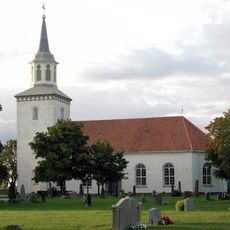
The name Sandby borg combines the parish name with borg, the Swedish word for fort. Local tradition long held that "there is something terrible about Sandby borg" without knowing what, a taboo that the excavations later confirmed. Five hoards of gilded silver relief brooches, glass beads and finger rings were hidden in houses of the central block.
The fort lies about 50 metres from the shoreline on Öland's east coast, with its southeastern foot only a metre or so above normal water level. The interior is flat grass and bare earth, but the surrounding wall is uneven and partly overgrown. Excavations by Kalmar County Museum have been running since 2011, so some areas may be fenced off.
The fort shows traces of a sudden end, with bones and objects remaining in their original positions, offering a unique window into a moment of destruction. This preserved snapshot allows archaeologists to understand daily life and the violence of that event in an unusual way.
The community of curious travelers
AroundUs brings together thousands of curated places, local tips, and hidden gems, enriched daily by 93,473 contributors worldwide.