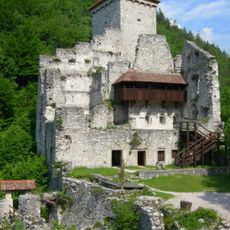
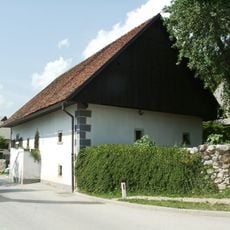
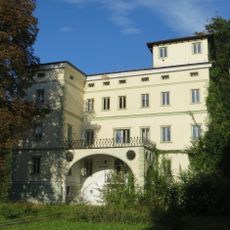
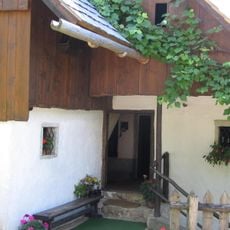
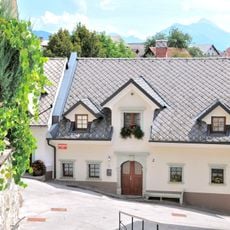
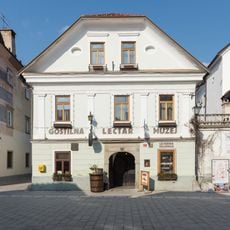
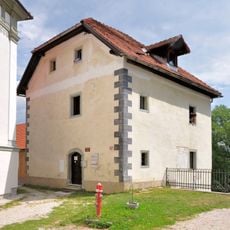
Kacenštajn Castle, Medieval castle in Begunje na Gorenjskem, Slovenia.
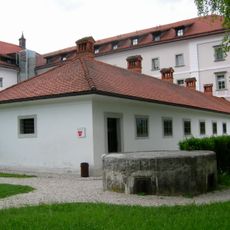
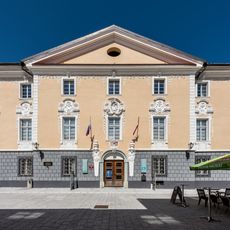
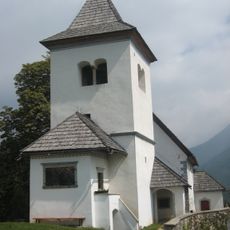
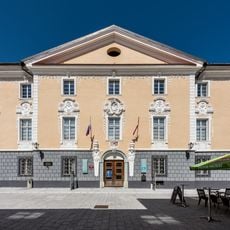
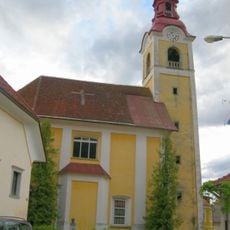
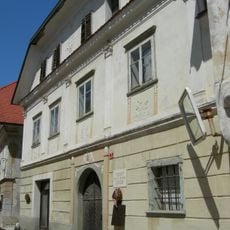
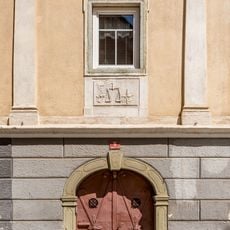
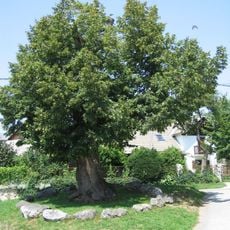
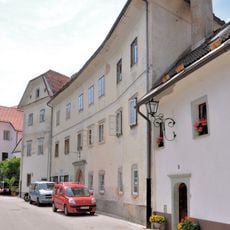
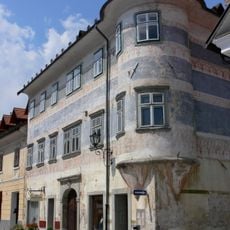
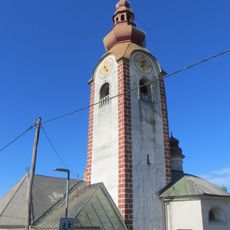
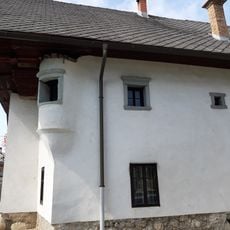
Kacenštajn Castle stands with St. Ursula's Church at the core of old Begunje. Its original two-story Gothic core survives inside later additions; most of the present structure reflects 16th-century and later Renaissance and Baroque rebuildings, with a southeast wing added in the 19th century. A 140 m chestnut avenue leads to the manor.
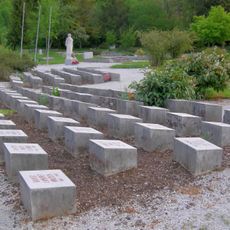
Kacenštajn Castle was first mentioned in 1428. The noble house of Katzen, known locally as Kacijanarji, rebuilt it in the 16th century, and it took its final shape after 1765 under the Counts of Lamberg, who moved there from nearby Kamen Castle. From 1875 it housed a women's penitentiary run by the Sisters of St. Vincent de Paul. During World War II the Gestapo used it as a prison; more than 11,500 detainees passed through, and 849 were shot or hanged there.
The castle houses a museum dedicated to preserving memories of wartime imprisonment and the personal stories of those held within its walls. Visitors can walk through spaces that bear witness to these experiences.
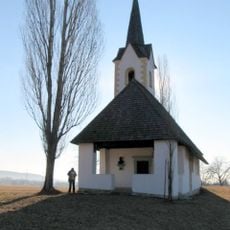
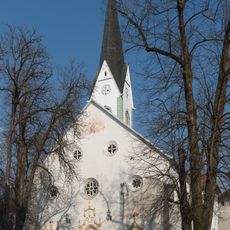
The castle stands in the old core of Begunje, beside St. Ursula's Church, in the Municipality of Radovljica. A chestnut avenue about 140 m long runs north–south between the manor and the park. The Hostage Museum occupies part of the building; the rest houses a psychiatric hospital, so visit only the museum areas.
The Baroque garden's layout survives in the vegetable plots, which keep the old parterre scheme, and the 140 m chestnut avenue planted north–south between the castle and the park is still standing.
The community of curious travelers
AroundUs brings together thousands of curated places, local tips, and hidden gems, enriched daily by 94,292 contributors worldwide.