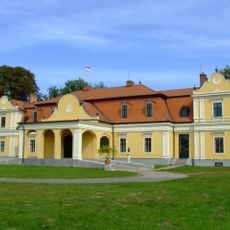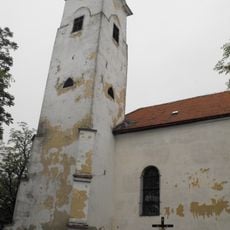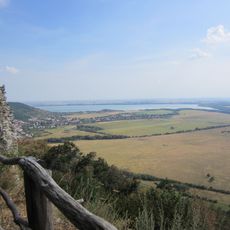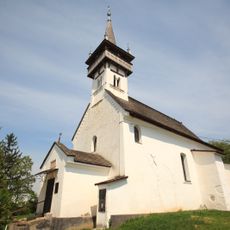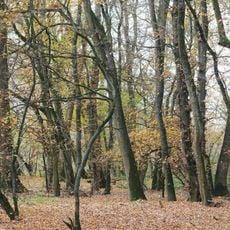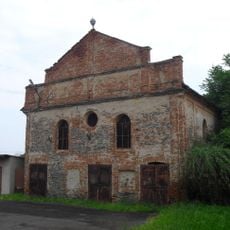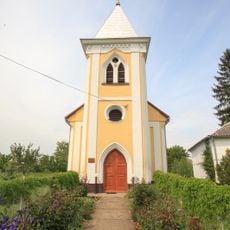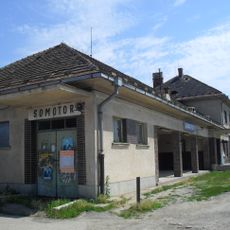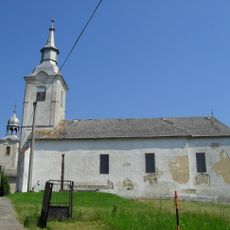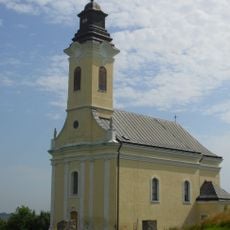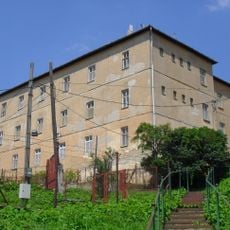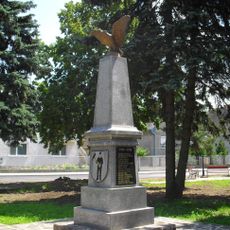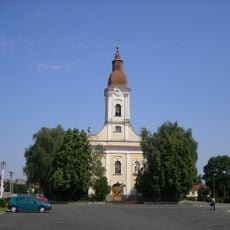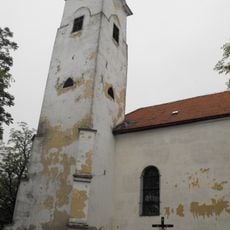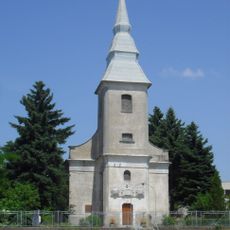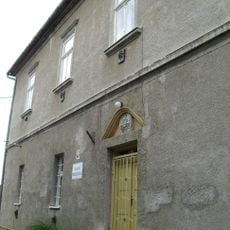
Eastern Slovak Lowland, Geomorphological lowland in Kosice Region, Slovakia.
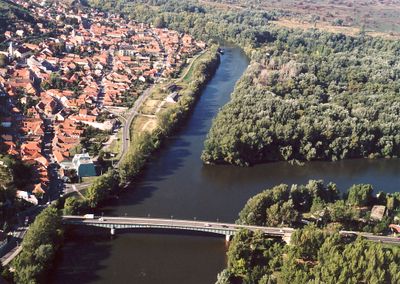
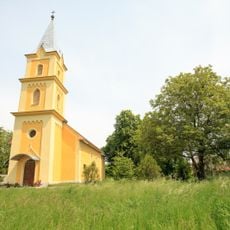
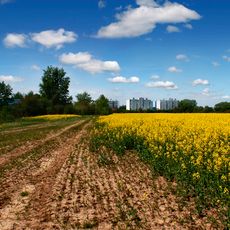
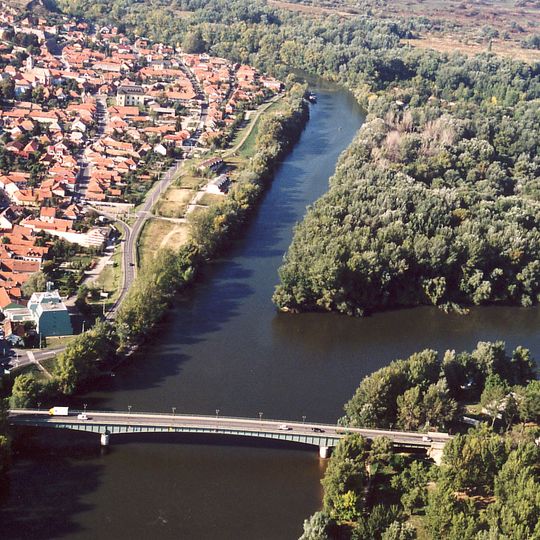
The Eastern Slovak Lowland is a flat agricultural region in southeastern Slovakia that forms part of the Great Hungarian Plain. The landscape consists primarily of open fields and cultivated areas with few significant elevation changes across its expanse.
The lowland was historically part of multiple territorial systems and became incorporated into Czechoslovakia after the dissolution of Austria-Hungary in 1918. Its borders and political status shifted several times, reflecting the broader transformations of the region.
The settlements throughout the area have shaped their character through long-standing farming practices passed down through generations. These traditions remain visible in how the land is worked and how locals organize their daily rhythms around seasonal activities.
The area is accessible via major highways and railway networks that link it to neighboring countries including Hungary, Ukraine, and Romania. The flat terrain throughout the region makes navigation and movement straightforward for visitors.
The region contains distinct soil compositions that favor the growth of specific crop varieties and contribute to Slovakia's agricultural patterns. These geological properties developed over millions of years through natural sediment deposition and erosion processes.
The community of curious travelers
AroundUs brings together thousands of curated places, local tips, and hidden gems, enriched daily by 91,402 contributors worldwide.