Romagna, Historical region in northern Italy
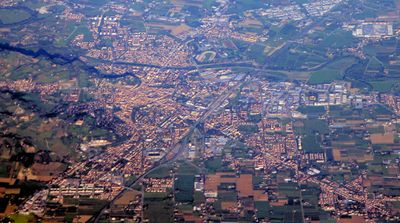
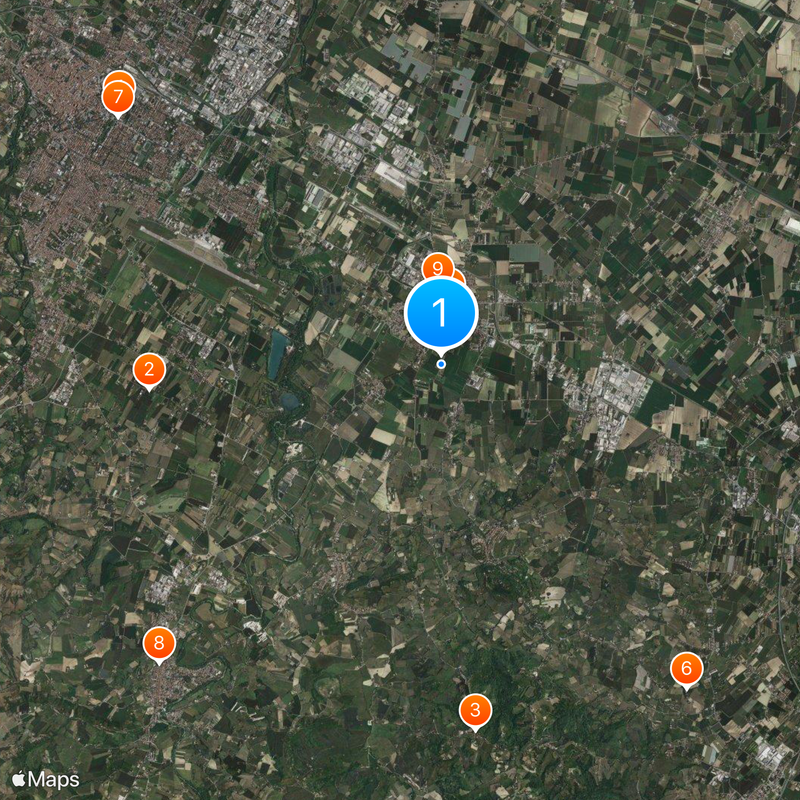
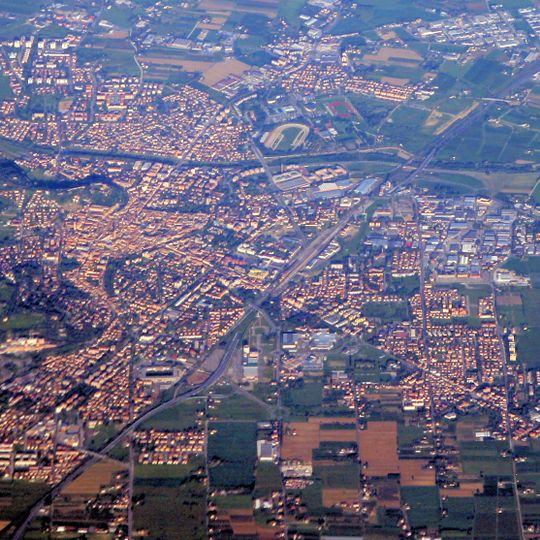
This region extends from the slopes of the Apennines to the Adriatic coast, taking in flat plains, rolling hills, and shoreline. It runs roughly between the Reno and Sillaro rivers and includes parts of the provinces of Ravenna, Rimini, Forlì-Cesena, and Bologna.
The name comes from Romania, a territory governed from Constantinople through the Exarchate of Ravenna after the fall of Rome in the fifth century. Later it became part of several Italian states and eventually passed to the Kingdom of Sardinia and then united Italy in the nineteenth century.
Locals speak varieties of Romagnolo, a dialect that differs sharply from Italian and changes from one town to the next. In the coastal towns many spend evenings on the beach or in venues along the promenade, while inland the rhythm is quieter and centers on village squares.
Visitors to the coast can count on several seaside resorts with long sandy beaches, while the inland hills suit walking and quieter stays. Trains and buses run regularly between the larger towns, making it easy to move around.
At Monte Poggiolo archaeologists found stone tools reaching back to the Paleolithic era, among the oldest traces of human presence in this part of Europe. The site lies near Santarcangelo di Romagna and offers insight into very early settlement patterns.
The community of curious travelers
AroundUs brings together thousands of curated places, local tips, and hidden gems, enriched daily by 92,142 contributors worldwide.