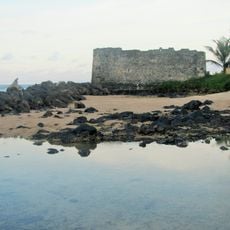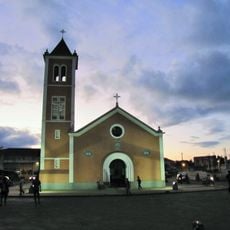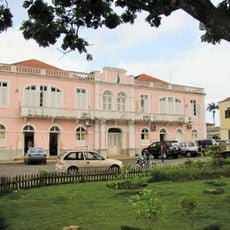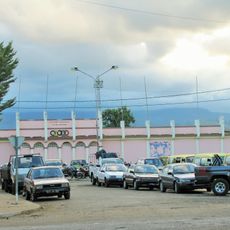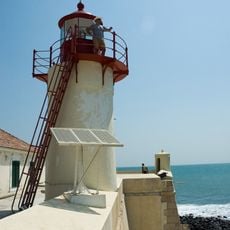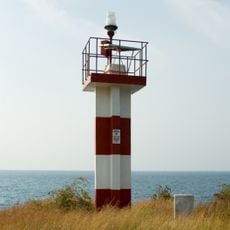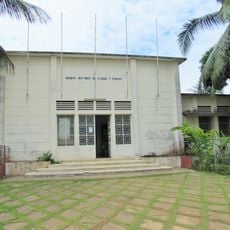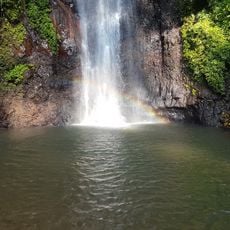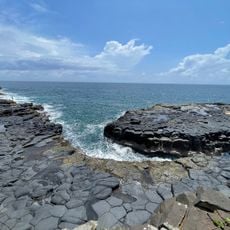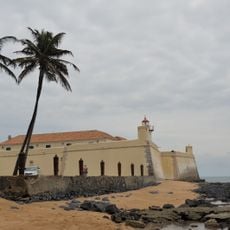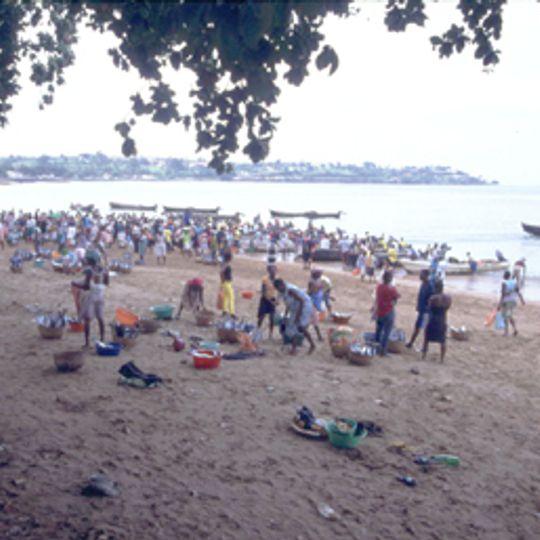
São Tomé Island, Volcanic island in Gulf of Guinea, São Tomé and Príncipe.
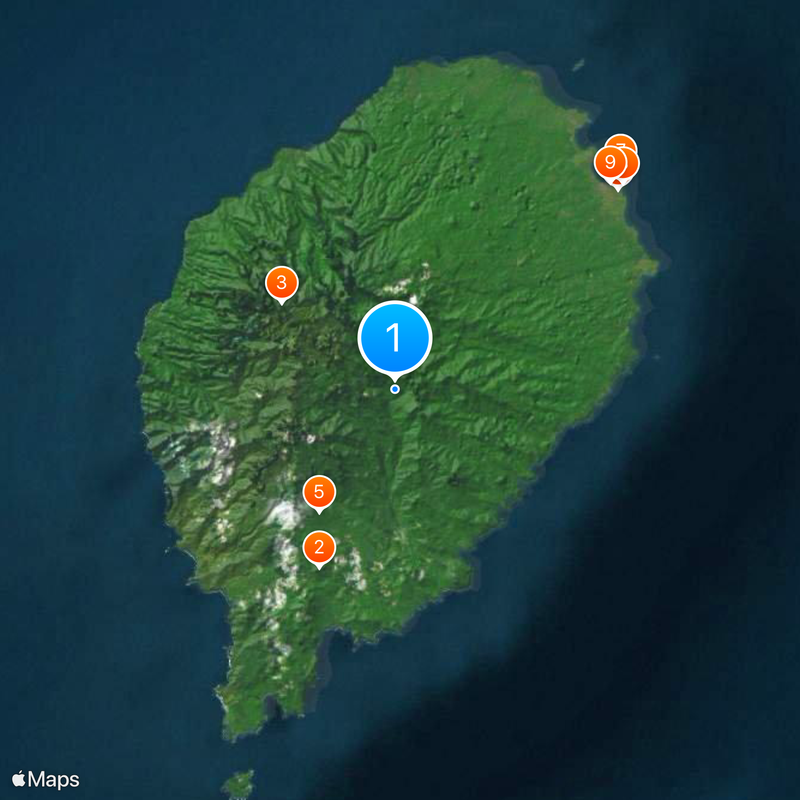
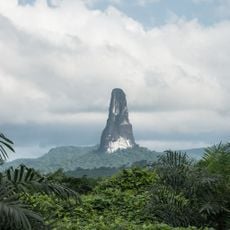
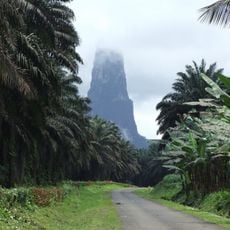
São Tomé Island is the largest island of the nation and stretches roughly 48 kilometers long with a maximum width of about 32 kilometers. The mountainous interior reaches its highest point at Pico de São Tomé, standing around 2,000 meters tall.
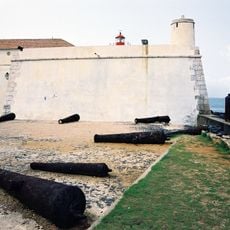
Portuguese explorers João de Santarém and Pedro Escobar reached the uninhabited island in 1470 and established settlements there. The territory later became a center for sugar production and served as a major hub for Atlantic slave trade operations.
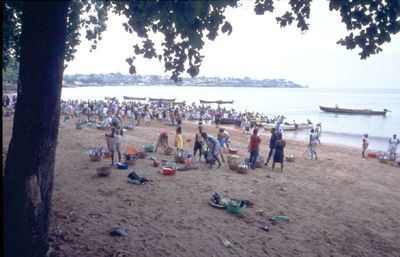
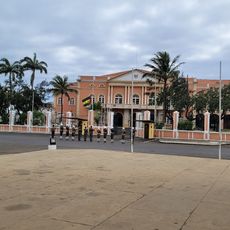
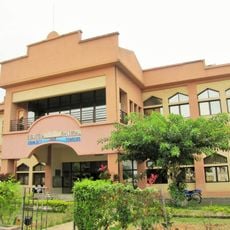
The island shows a blend of African, Portuguese, and Brazilian influences visible in its buildings, street life, and daily routines. These connections appear naturally in the homes, markets, and the way people move through their communities.
The island divides into six administrative regions, with São Tomé city serving as the main hub for visitors. From here, one can easily travel outward to explore the volcanic terrain and reach other parts of the territory.
The island is home to roughly 63 bird species, with 19 found nowhere else on Earth. The volcanic soil supports the growth of cocoa, coffee, and palm products that shape the landscape and economy.
The community of curious travelers
AroundUs brings together thousands of curated places, local tips, and hidden gems, enriched daily by 90,986 contributors worldwide.