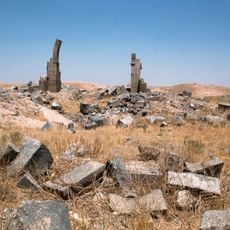
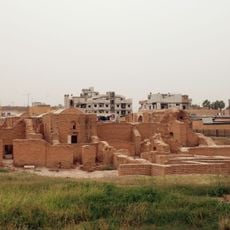
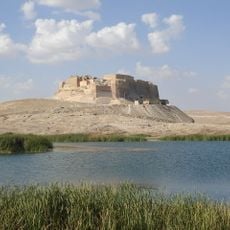
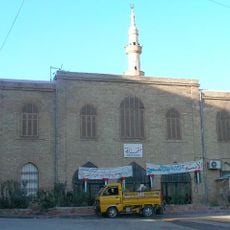
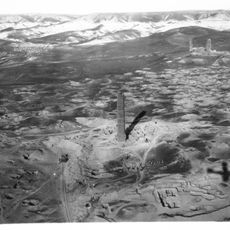
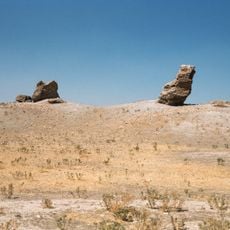
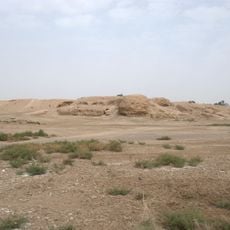
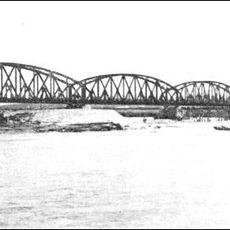
Tell Fray, archaeological site in ar-Raqqah, Syria
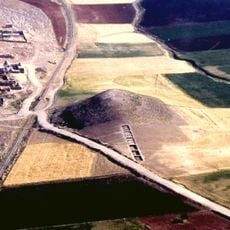
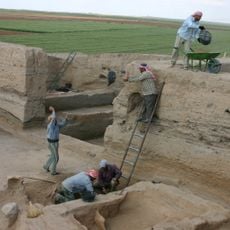
Tell Fray is an archaeological mound on the east bank of the Euphrates River in northern Syria, formed from layers of ancient settlement remains built up over many centuries. Excavations in the early 1970s uncovered remains of at least two temples, houses of officials, and thousands of clay tablets dating to around 1400 BCE.
Tell Fray was established around 1400 BCE during the Late Bronze Age and shows layers of occupation until the 13th century BCE. The settlement was destroyed at that time, likely by attack from Middle Assyrian kings expanding their empire in the region.
The name Tell Fray comes from an ancient canal called 'Fray' or 'Little Euphrates', reflecting how water and irrigation shaped daily life and farming in the region. The site shows how ancient communities built their settlements near river systems to benefit from trade and agriculture.
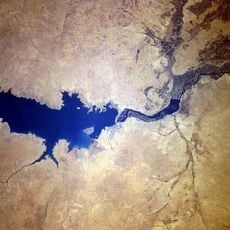
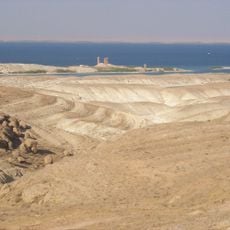
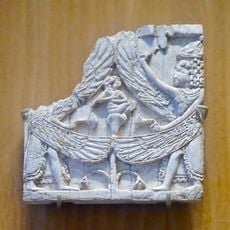
The site is now flooded by the Tabqa Dam and Lake Assad, making it impossible to visit in person. However, archaeological finds from the excavations can be viewed at the National Museum of Aleppo, where they remain accessible for research and education.
A clay seal impression of King Hattusili III was discovered at the site, revealing connections to Hittite power centers of the era. A clay tablet containing a will from the 12th or 13th century BCE was also found, offering rare insights into the personal lives and property arrangements of the inhabitants.
The community of curious travelers
AroundUs brings together thousands of curated places, local tips, and hidden gems, enriched daily by 92,481 contributors worldwide.