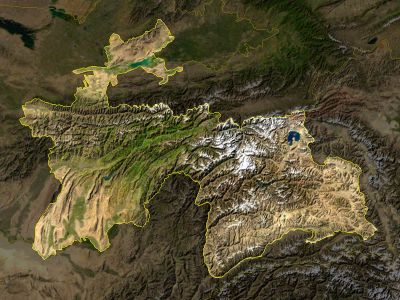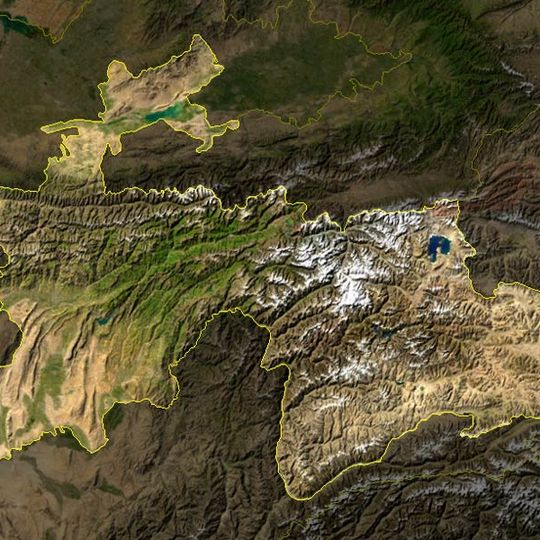
Geography of Tajikistan, overview of the geography of Tajikistan
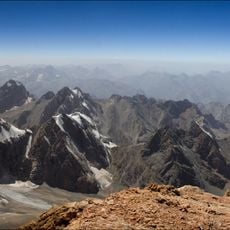
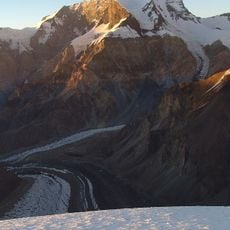
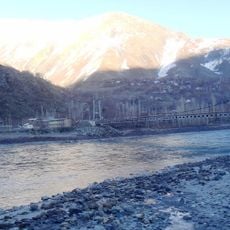
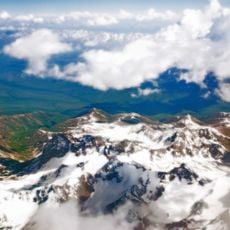
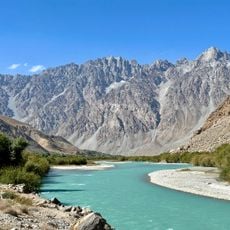
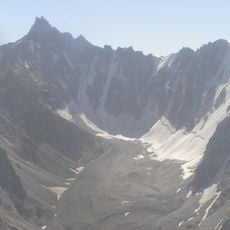
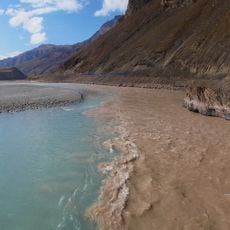
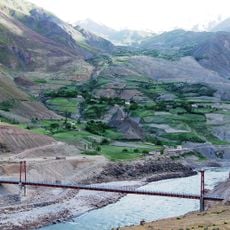
The geography of Tajikistan is dominated by high mountain ranges including the Pamirs and Alay Mountains, with deep river valleys creating fertile strips of land. The terrain consists of rugged highlands, plateaus, and valleys carved by rivers that wind through the mountains, shaping the overall structure of the country.
Tajikistan sits on ancient trade routes that connected Central Asia with China, Persia, and India for centuries. These pathways brought goods and ideas across the region through mountain passes, shaping the country's historical importance.
The culture here is deeply rooted in mountain living and family bonds. In towns and villages, bustling bazaars offer fresh produce and handmade goods, while music, dance, and storytelling remain central to local celebrations and gatherings.
The terrain is mountainous and challenging to navigate, with high passes and limited flat areas to traverse. Spring and autumn offer the best visiting conditions when weather is milder and mountain routes are more passable.
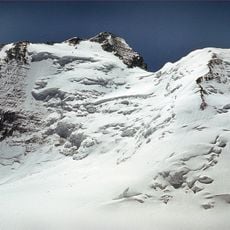
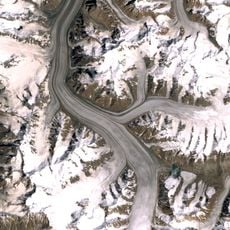
The Pamirs are called the 'Roof of the World' and contain some of the highest mountain peaks along with rare wildlife like snow leopards and wild goats. This remote region with thin air and harsh conditions draws explorers and adventurers seeking solitude.
The community of curious travelers
AroundUs brings together thousands of curated places, local tips, and hidden gems, enriched daily by 92,373 contributors worldwide.