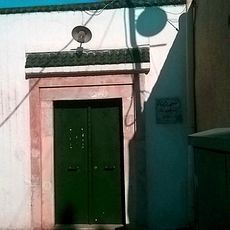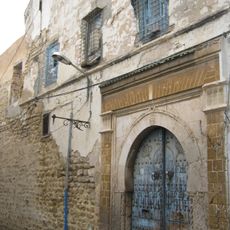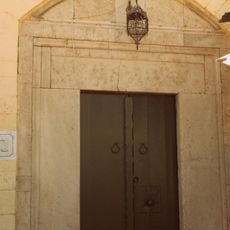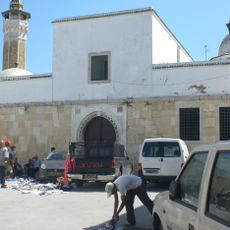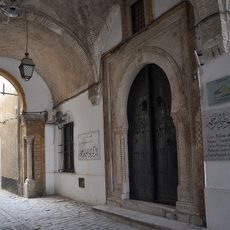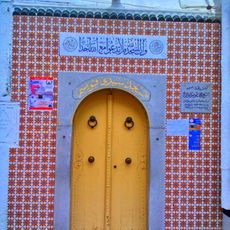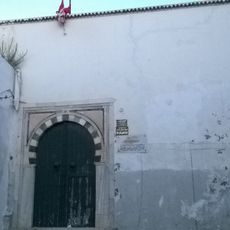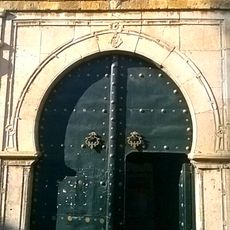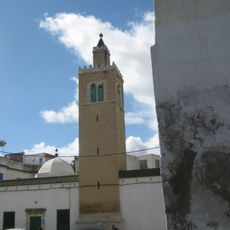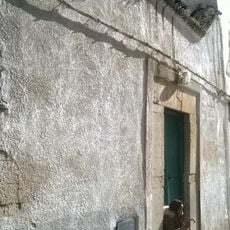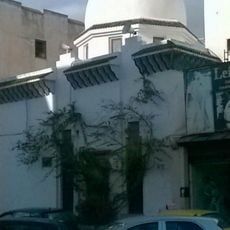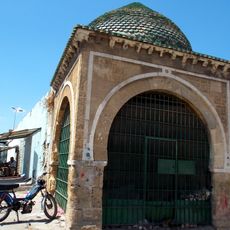
Saheb Ettabaâ Mosque, Ottoman mosque complex in Halfaouine, Tunisia
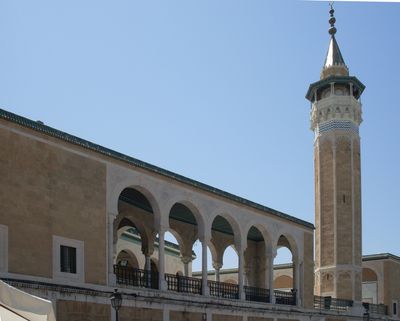
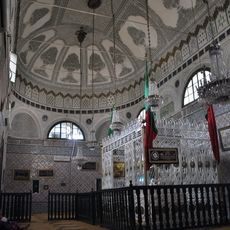
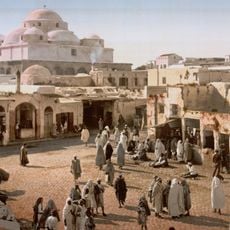
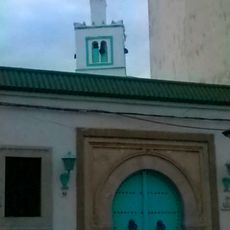
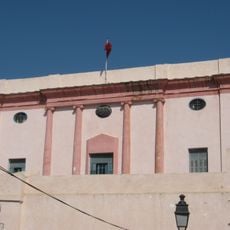
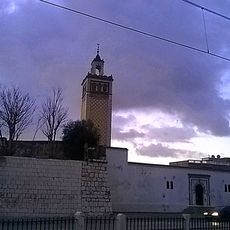
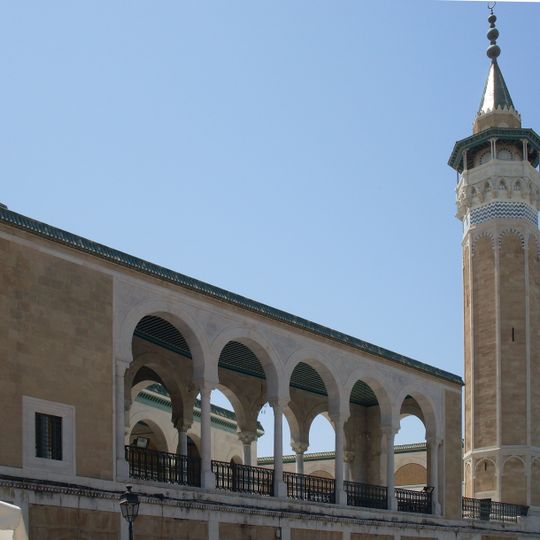
Saheb Ettabaâ Mosque is an Ottoman mosque in Tunis with Italian architectural influences visible in its fluted columns, capitals, and colorful marble coverings. The complex comprises several buildings including a school, inn, bathhouse, and shops arranged around the central structure in the traditional manner.
The complex was built between 1808 and 1814 and stands as the last major religious structure constructed in Tunis before French colonial rule began in 1881. Its creation marked a period when the city could still finance ambitious architectural projects under independent governance.
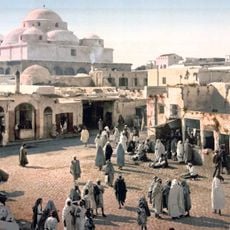
The mosque served as the center of a complex that combined teaching, lodging, bathing, and commerce in one place. Visitors can still see how these different functions were organized around the central courtyard.
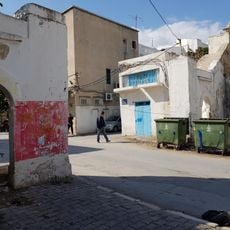
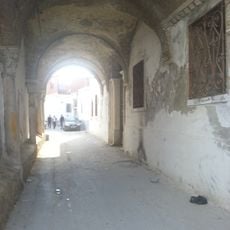
The site sits within the winding streets of the Halfaouine quarter, close to the heart of Tunis's Medina and is best explored on foot. Early morning visits work well, as the light illuminates the architectural details and crowds remain light.
The construction was carried out by enslaved European pirates provided by the then-ruler Hammouda Pacha. This unusual workforce helped create one of the city's finest structures.
The community of curious travelers
AroundUs brings together thousands of curated places, local tips, and hidden gems, enriched daily by 60,000 contributors worldwide.