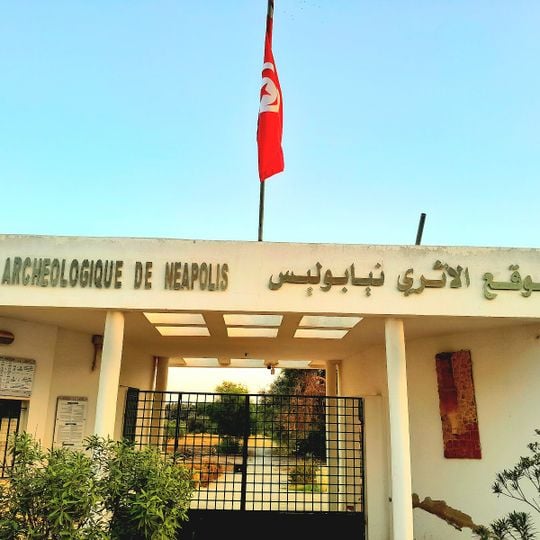
Neapolis, Archaeological site in Nabeul, Tunisia
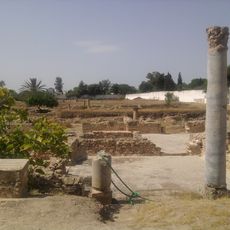
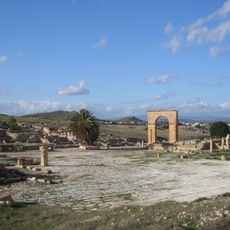
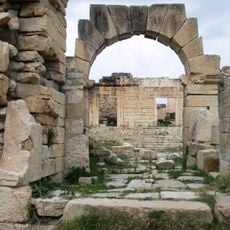
Neapolis is an archaeological site on the Tunisian Mediterranean coast containing Roman-era production facilities from ancient times. The remains include numerous basins and storage tanks that were used for processing fish and manufacturing fermented sauce.
The ancient city was severely damaged around 365 CE by a seismic event caused by an earthquake near Crete, which caused building collapse and coastal flooding. Following this natural disaster, human activity gradually shifted away from the waterfront.
The site reveals how Romans produced fish sauce at an industrial scale and shipped it throughout the Mediterranean world. The preserved basins and workshops tell the story of a valuable commodity that was used daily in Roman cooking.
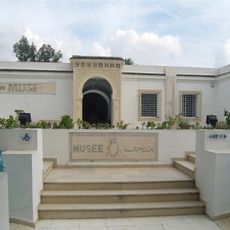
The site is accessible to visitors and can be explored on most days, with opening hours varying by season. It is helpful to wear comfortable shoes, as the ground is uneven and sun exposure is intense.
Underwater excavations have uncovered over 100 production basins, confirming this location as the largest fish sauce manufacturing center of the Roman Empire. These archaeological findings reveal the impressive scale of ancient mass production at this coastal site.
The community of curious travelers
AroundUs brings together thousands of curated places, local tips, and hidden gems, enriched daily by 92,128 contributors worldwide.