Chott el Fejej, Nature reserve and salt lake in Kebili Governorate, Tunisia
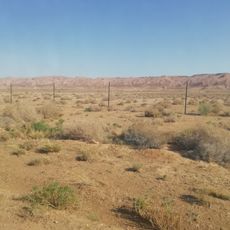
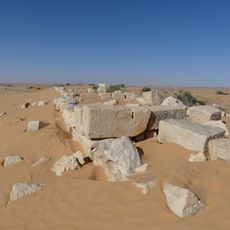
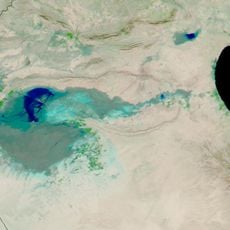
Chott el Fejej is a salt lake in southern Tunisia that stretches across the desert floor as a wide, flat expanse of white mineral deposits. The water body is shallow and changes in appearance seasonally, with its surface reflecting the shifting light across the barren terrain.
During the 1800s, European engineers proposed ambitious plans to flood this depression by connecting it to the Mediterranean Sea, dreaming of creating a vast inland lake in the Sahara. The scheme was abandoned but left a lasting mark on local exploration and development discussions.
The name combines the Arabic term 'chott,' denoting a shallow saltwater lake, with 'el Fejej,' indicating its geographical position in southern Tunisia.
The best time to visit is during drier months when the salt crust becomes more stable and walking is safer across the white expanse. Wear sturdy shoes and consider exploring with a local guide who understands how conditions shift throughout the year.
Beneath the salt lake lies the Fejej geological structure, a deep basin created by ancient rifting that continues to shape groundwater flow and mineral deposition. This hidden architecture makes the site valuable to researchers studying how deserts form and change over time.
The community of curious travelers
AroundUs brings together thousands of curated places, local tips, and hidden gems, enriched daily by 91,198 contributors worldwide.