Water Temple of Zaghouan, Roman water temple in Zaghouan, Tunisia
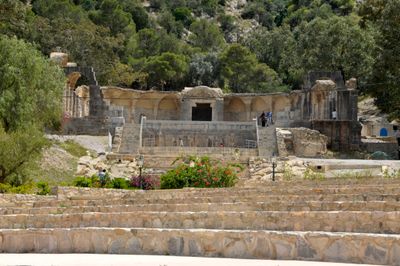
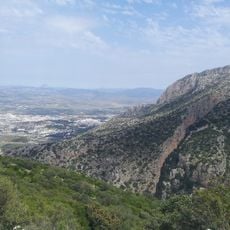
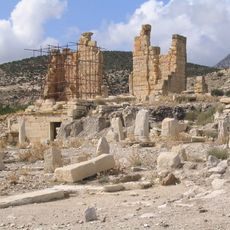
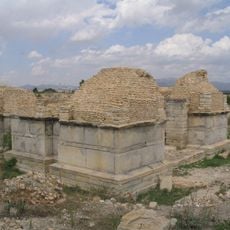
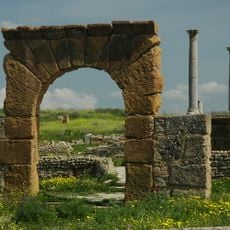
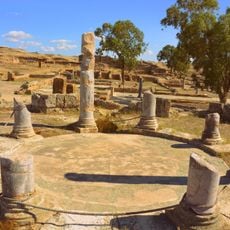
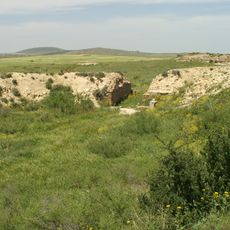
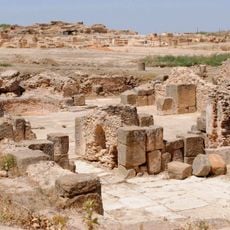
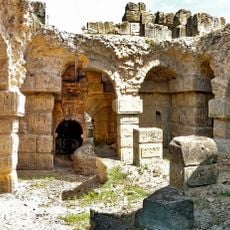
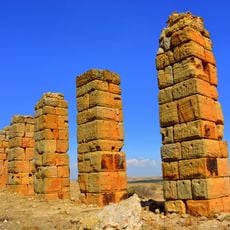
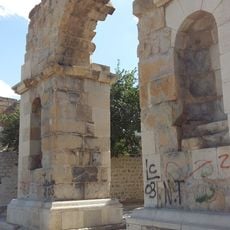
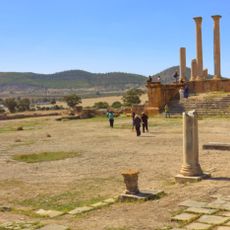
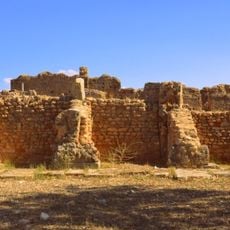
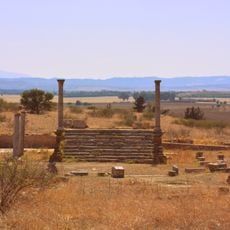
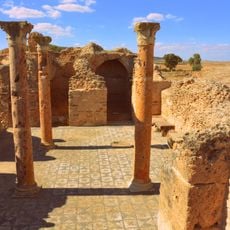
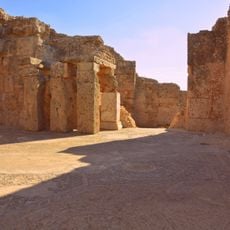
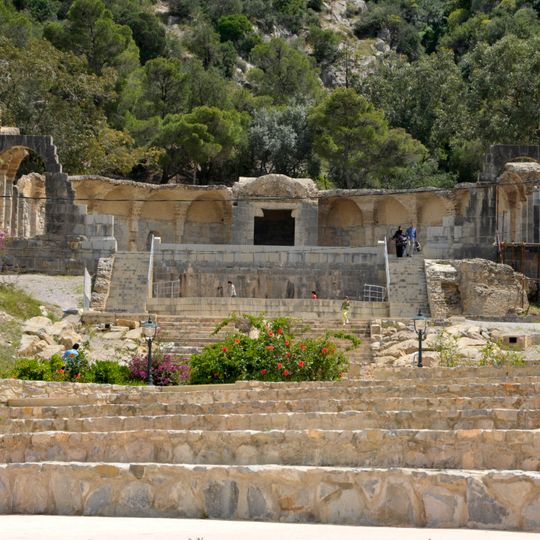
The Water Temple of Zaghouan is a Roman structure nestled against the mountainside with stone blocks, arches, and walls arranged in a semicircular form. The building functioned as an intake point where natural springs were collected and directed into a system for transporting water across great distances.
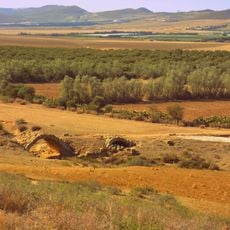
The temple was built around 200 AD in response to growing water needs in the distant city of Carthage. From this location, an extensive pipeline network was constructed to carry water hundreds of kilometers to the coastal city.
The temple shows how Romans treated water as sacred by creating a place that combined usefulness with reverence toward the natural springs. Today, visitors can see how this structure shaped the landscape and reflects the importance of flowing water to the region.
The site is accessible from Zaghouan city center via marked paths that lead directly to the temple structures. It is best visited during cooler months, as the uphill walk can be tiring in hot weather and proper footwear helps on uneven stone surfaces.
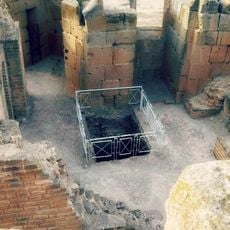
Five separate springs within the complex flowed together before water entered the pipeline system, allowing natural filtering to occur. This arrangement reveals how Romans adapted to the site's geology to keep water clean through simple means.
The community of curious travelers
AroundUs brings together thousands of curated places, local tips, and hidden gems, enriched daily by 91,518 contributors worldwide.