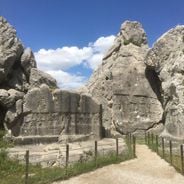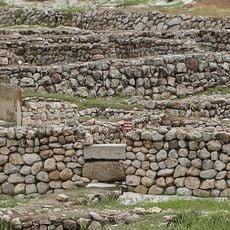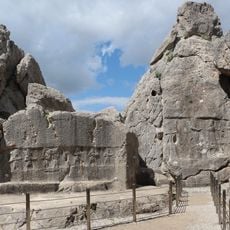
Hattusa, Archaeological site in Boğazkale, Turkey.
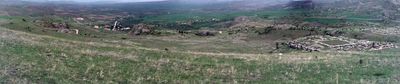
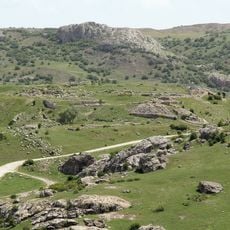
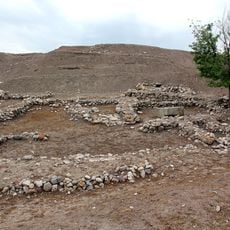
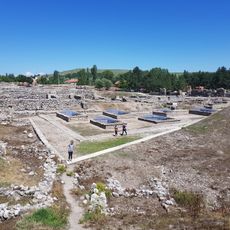
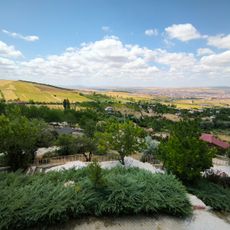
Hattusa is an excavation site on mountain slopes near Boğazkale in northern Turkey, spreading across a wide terrain with walls, temples, and palace areas. The ruins lie between two stream valleys and extend over terraces that offer views of the surrounding landscape.
The settlement emerged in the 17th century BCE and became the center of an empire that controlled large parts of Anatolia. After centuries of use, inhabitants abandoned the place around 1200 BCE, likely following unrest and invasions from the west.
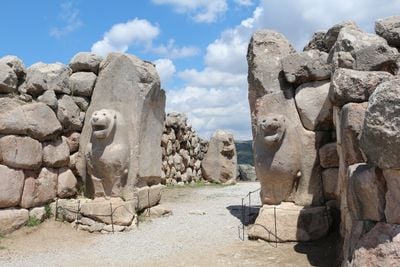
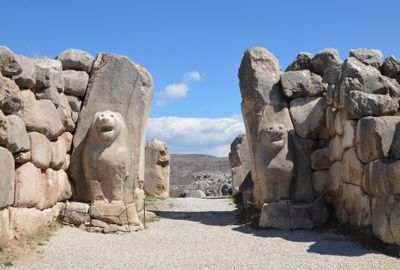
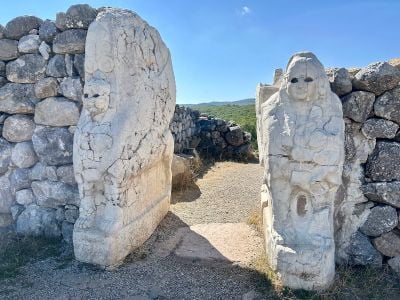
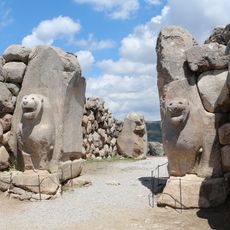
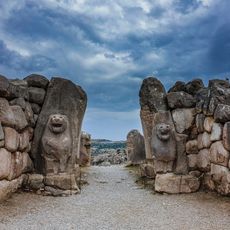
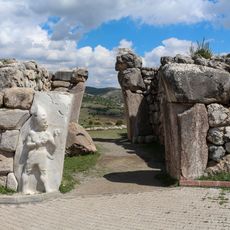
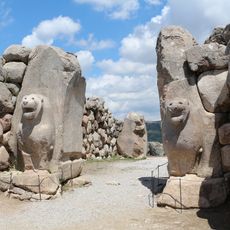
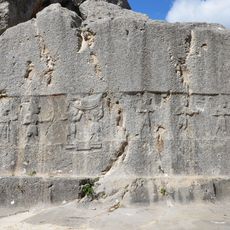
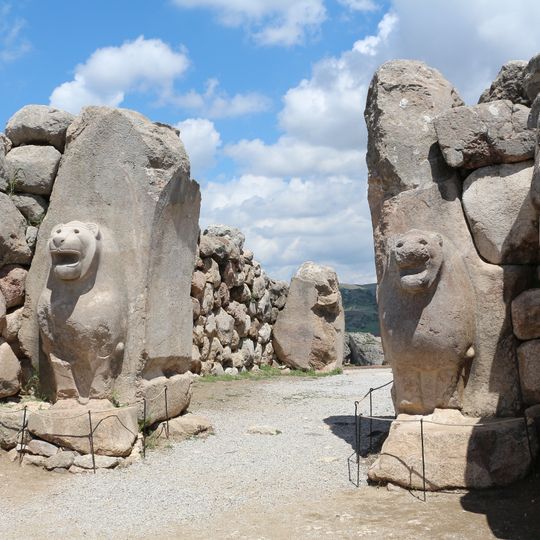
The monumental lion gates and sphinx reliefs still show the power and artistic ambition of the Hittite rulers. Visitors can observe the stone guardians up close and see the finely carved facial features of the figures.
The terrain is wide and requires walking shoes and plenty of water, as there is little shade available. Visitors who prefer to avoid stairs and steep paths can focus on the lower areas with the main gates and lower temples.
Beneath the main temple, archaeologists discovered a system of tunnels and chambers whose exact purpose remains unclear to this day. These underground rooms may have been used for storage or rituals, but concrete evidence is still missing.
The community of curious travelers
AroundUs brings together thousands of curated places, local tips, and hidden gems, enriched daily by 91,361 contributors worldwide.