Hunat Hatun Complex, Islamic religious complex in Melikgazi, Turkey.
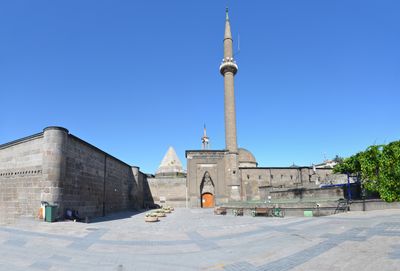
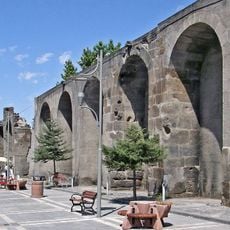
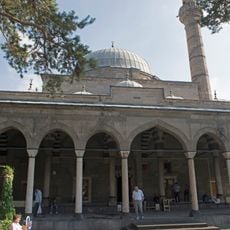
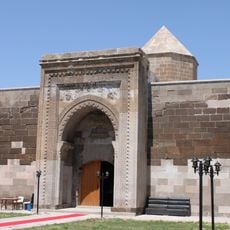
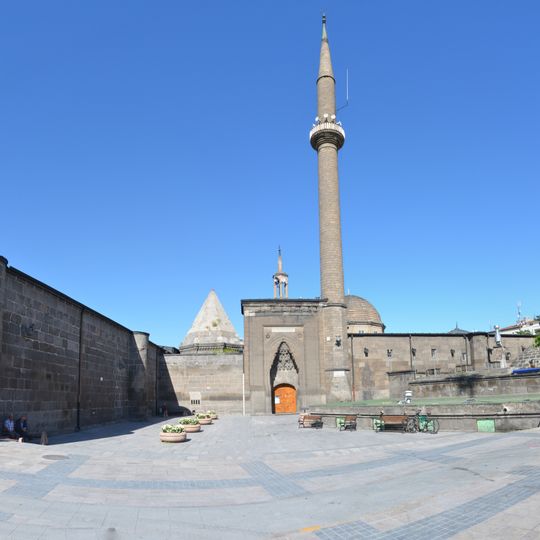
The Hunat Hatun Complex is a Seljuk külliye in Melikgazi, in the city of Kayseri, made up of a mosque, a tomb, a madrasa, and a hamam. The buildings are grouped around a shared courtyard, and their stone portals are decorated with detailed relief carvings.
The complex was commissioned in 1238 by Mahperi Hunat Hatun, wife of Sultan Alaeddin Keykubad I, at a time when the Anatolian Seljuk Sultanate was at its height. Her role as patron was rare for a woman of that era, and the scale of the commission reflects the position she held at court.
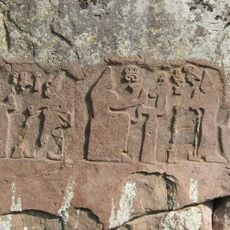
The stone portal of the mosque is carved with geometric and floral motifs that are characteristic of Seljuk craftsmanship. The madrasa still serves as a place of learning today, which keeps the complex in active use rather than simply as a monument.
The complex sits in the center of Kayseri and can be reached on foot from most other historical sites in the old city. The hamam is still in operation and open to visitors, with separate sections for men and women following traditional custom.
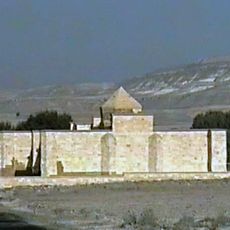
The tomb within the complex is built on two levels, with the burial chamber below and a decorated upper room displaying carved stonework. This two-story arrangement was uncommon for funerary buildings of that period and sets it apart from other Seljuk tombs in the region.
The community of curious travelers
AroundUs brings together thousands of curated places, local tips, and hidden gems, enriched daily by 91,474 contributors worldwide.