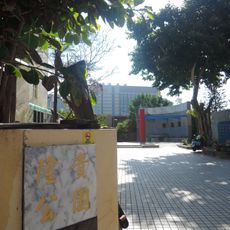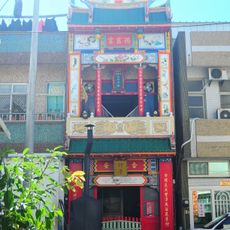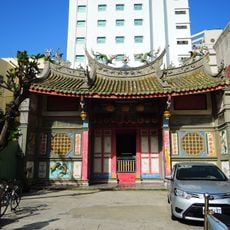
Penghu Guandi Temple, Chinese temple in Zhaoyang Village, Taiwan
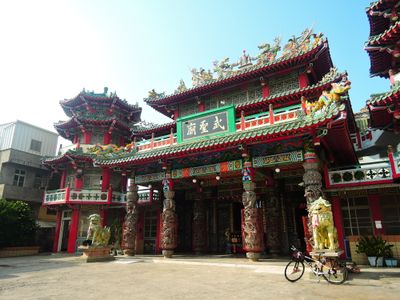
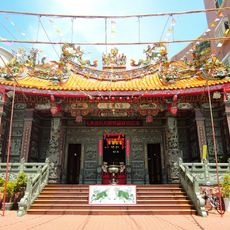
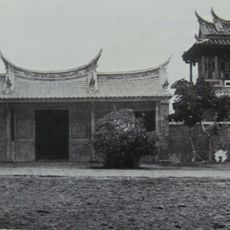
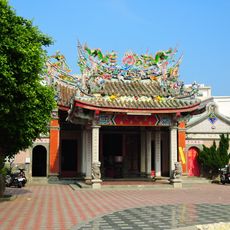
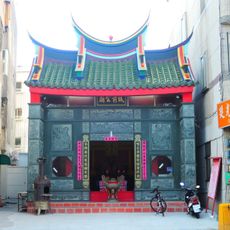
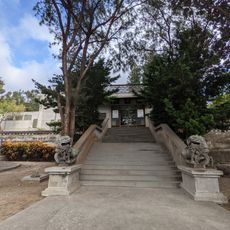
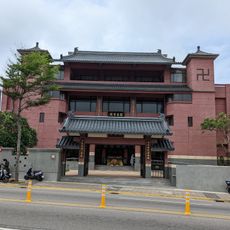
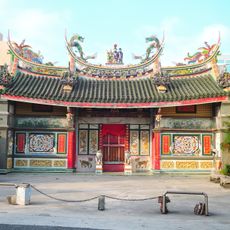
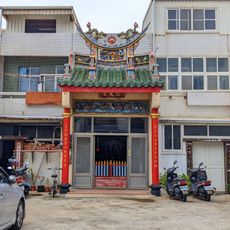
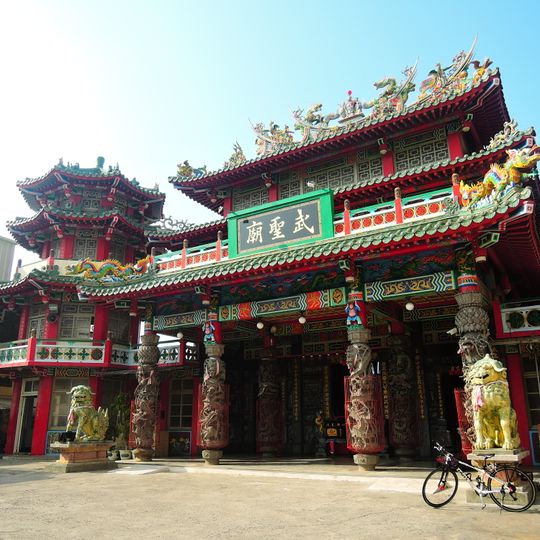
Penghu Guandi Temple is a Chinese temple in Zhaoyang Village on the Penghu Islands of Taiwan, built across several terraced levels that rise along a hillside. Each tier features curved roofs with upturned eaves, a form typical of traditional Chinese religious architecture.
The temple was founded in 1684 during the Qing Dynasty by a military officer named Xue Kui. Renovations in the 1920s brought craftspeople from several Chinese regions who shaped the appearance the temple still has today.
The temple is dedicated to Guandi, a god associated with loyalty and protection in Chinese folk religion. Worshippers visit regularly to burn incense and leave offerings, so the space feels active and lived-in even outside of major festivals.
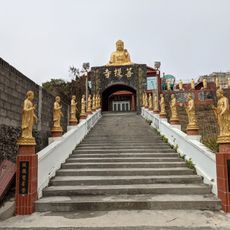
The temple is close to the beach and easy to reach on foot from the surrounding area. Because the complex climbs a slope, comfortable shoes are a good idea before heading up to the higher sections.
Inside the temple stands a wooden statue of the goddess Mazu carved from a single piece of timber and believed to be over 700 years old. It weighs around 150 kilograms, making it one of the oldest known carvings of its kind on the Penghu Islands.
The community of curious travelers
AroundUs brings together thousands of curated places, local tips, and hidden gems, enriched daily by 92,019 contributors worldwide.