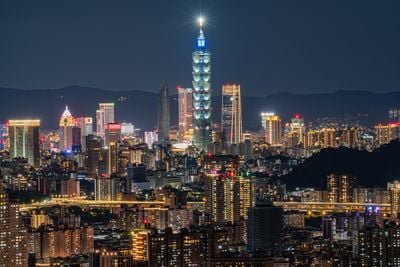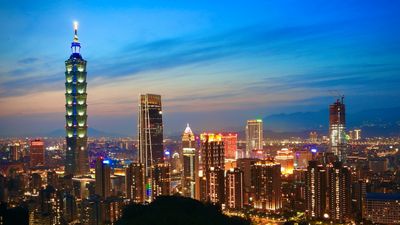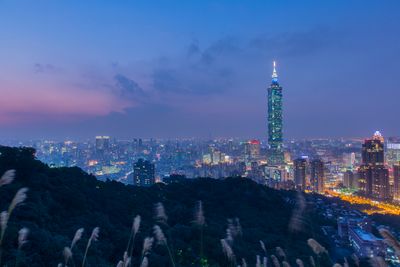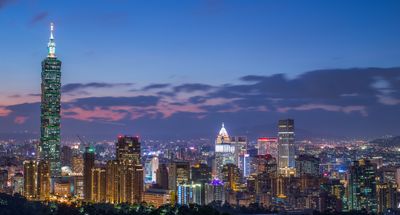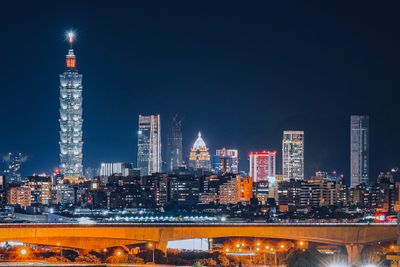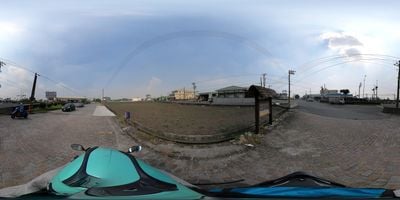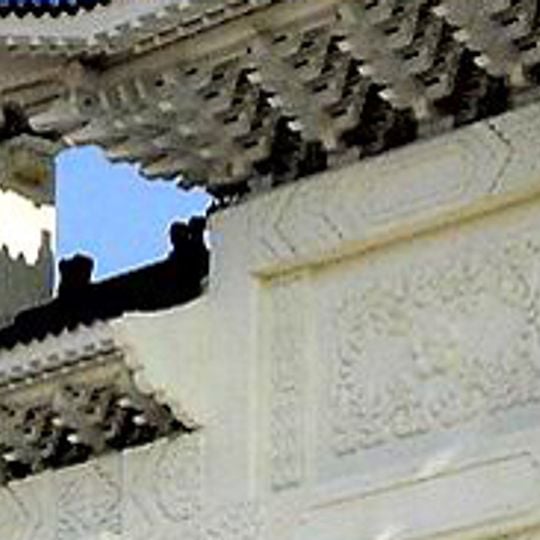
Taiwan, Island state in East Asia.
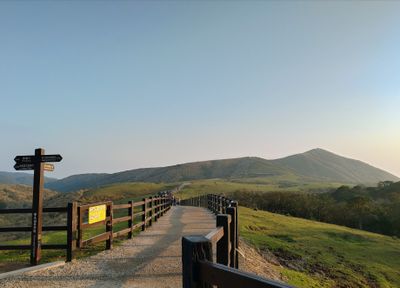
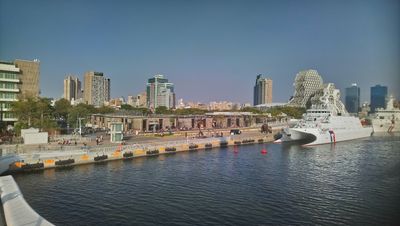
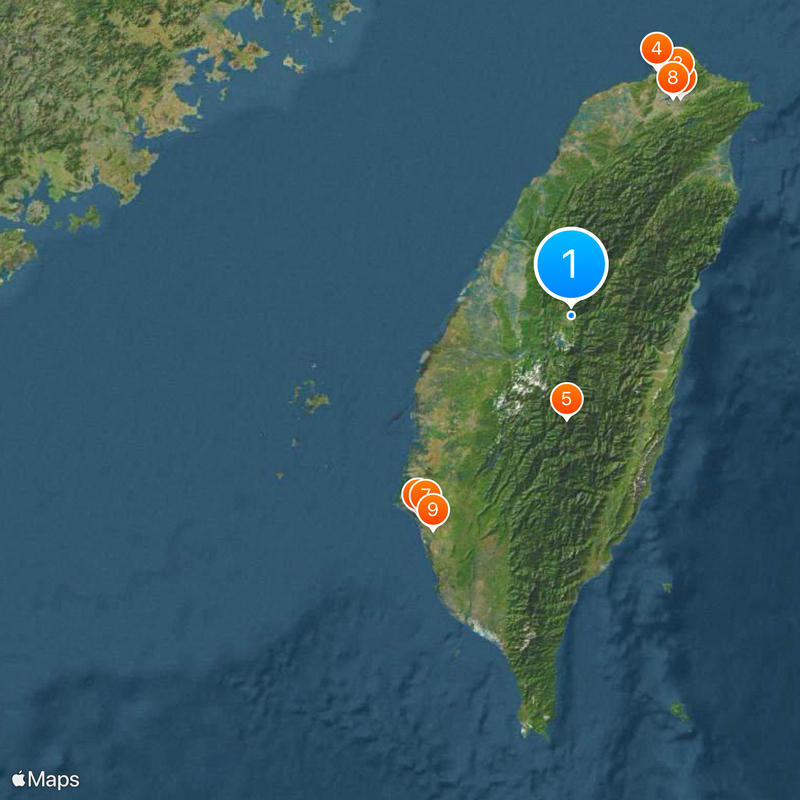
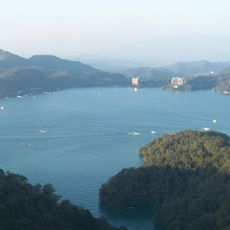
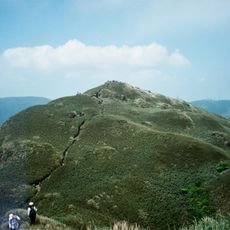
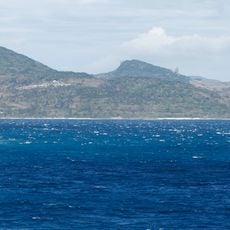
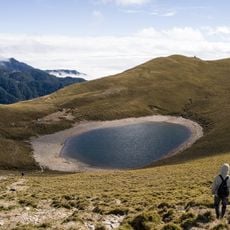
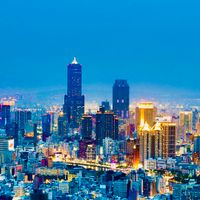
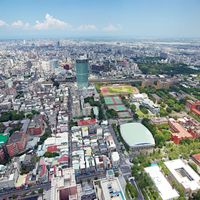
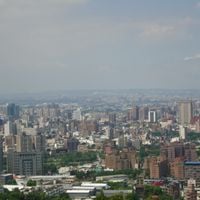
Taiwan is an island state in East Asia covering roughly 36,000 square kilometers, with mountains in the east and plains in the west where cities concentrate. The central mountain range runs from north to south with more than 200 peaks above 3,000 meters, while the western coastal plain holds agricultural land and industrial zones.
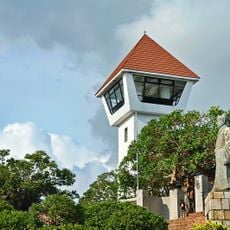
Austronesian peoples inhabited the island thousands of years before Dutch and Spanish traders arrived in the seventeenth century. The Qing Empire took control in 1683 and ruled until ceding it to Japan after the First Sino-Japanese War in 1895. Following Japanese withdrawal in 1945, the nationalist government moved its seat here in 1949 after defeat in the Chinese Civil War.
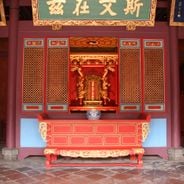
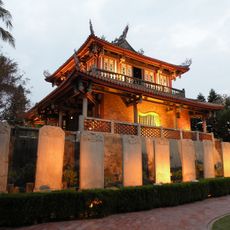
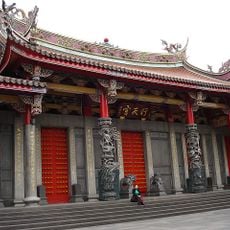
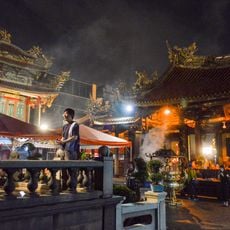
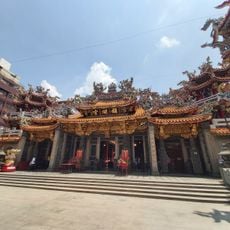
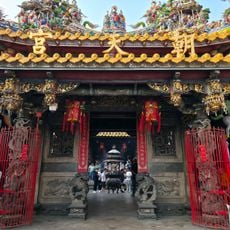
The National Palace Museum in Taipeh houses over 700,000 Chinese artworks and cultural items from the imperial collection. Temple festivals, puppet theater and traditional opera remain part of social life, while indigenous Austronesian peoples maintain their own languages and ceremonies.
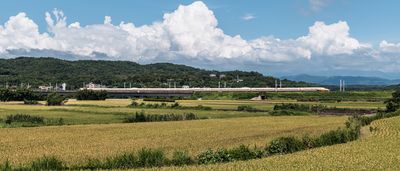
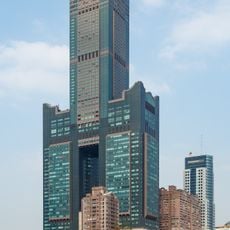
Airports in Taipei and Kaohsiung offer direct connections to larger Asian cities, while high-speed trains link western cities in under two hours. The subtropical northern climate and tropical southern climate bring heavy rain from May to October, while November to April offer dry conditions.
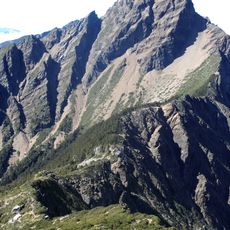
The semiconductor industry produces roughly 90 percent of the world's supply of advanced chips through the Taiwan Semiconductor Manufacturing Company. Yushan reaches 3,952 meters (12,966 feet) and stands as the highest peak in Northeast Asia, with snow falling on several high mountain summits during winter.
The community of curious travelers
AroundUs brings together thousands of curated places, local tips, and hidden gems, enriched daily by 90,774 contributors worldwide.