See the monuments around you in AROpen chests in the app
Around Us is built for your phone — point your camera at the streets and discover the monuments and places around you in augmented reality.Around Us is built for your phone — chests unlock when you walk, explore and capture nearby places.
Taiwan offers visitors a mix of old and new. The island has historical sites like 17th-century Fort Zeelandia and temples decorated with carved figures that reflect local beliefs and traditions. Museums here hold collections of Chinese art and antiques. Nature lovers can explore marble gorges, hot springs, mountain trails, and coastal areas shaped by geological forces. Modern landmarks like Taipei 101 stand alongside traditional villages and mountain villages, creating a landscape where past and present exist together.
Taiwan offers visitors a mix of old and new. The island has historical sites like 17th-century Fort Zeelandia and temples decorated with carved figures that reflect local beliefs and traditions. Museums here hold collections of Chinese art and antiques. Nature lovers can explore marble gorges, hot springs, mountain trails, and coastal areas shaped by geological forces. Modern landmarks like Taipei 101 stand alongside traditional villages and mountain villages, creating a landscape where past and present exist together.
The National Palace Museum in Taipei preserves one of the world's largest collections of Chinese art. The museum displays more than 700,000 objects, including paintings, calligraphy, jade, and porcelain. It represents an important part of Taiwan's cultural institutions, alongside historical monuments, temples, and sites that tell the story of the island's artistic heritage.
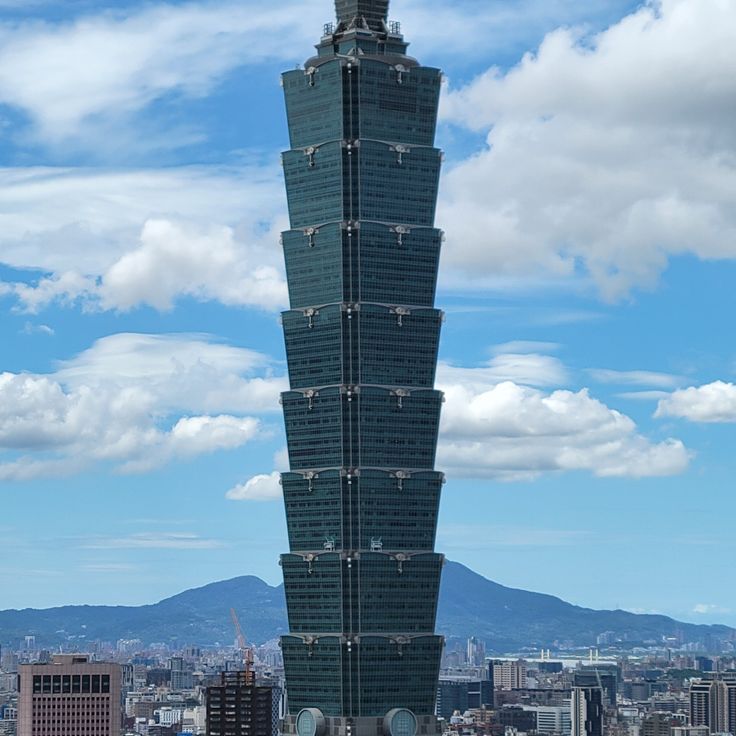
Taipei 101 is a modern office tower in the center of Taipei and represents Taiwan's contemporary architecture. The tower contains office space, a five-story shopping mall, and an observation deck on the 89th floor that offers sweeping views over the city. This building is part of the infrastructure that shows Taiwan's place on the world stage.
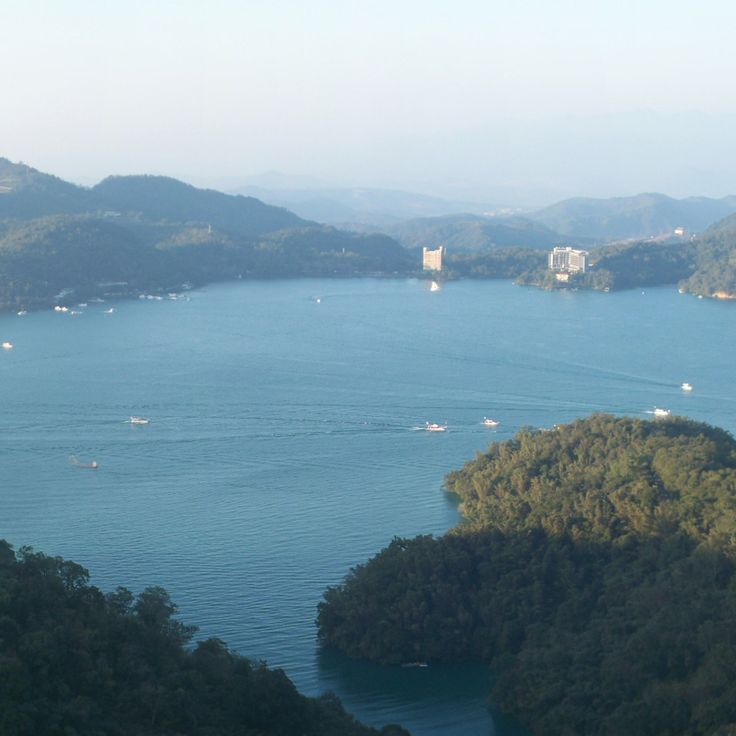
Sun Moon Lake in Nantou County is a natural lake situated at 748 meters above sea level within Taiwan's collection of remarkable sites. The lake sits surrounded by mountains and temples, offering visitors water activities and cycling paths that span approximately 33 kilometers. This location represents Taiwan's natural diversity, complementing the island's historical monuments, temples, museums, and modern infrastructure.
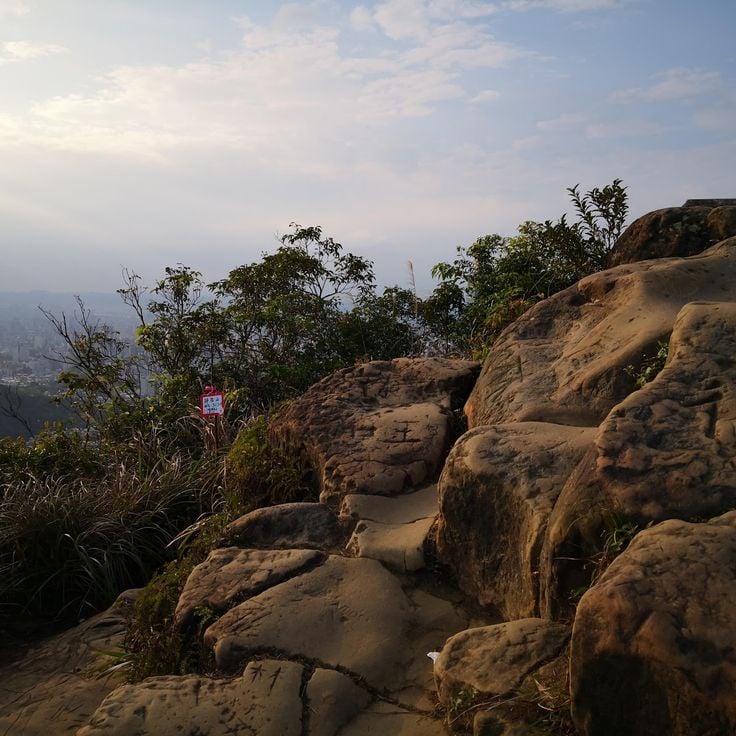
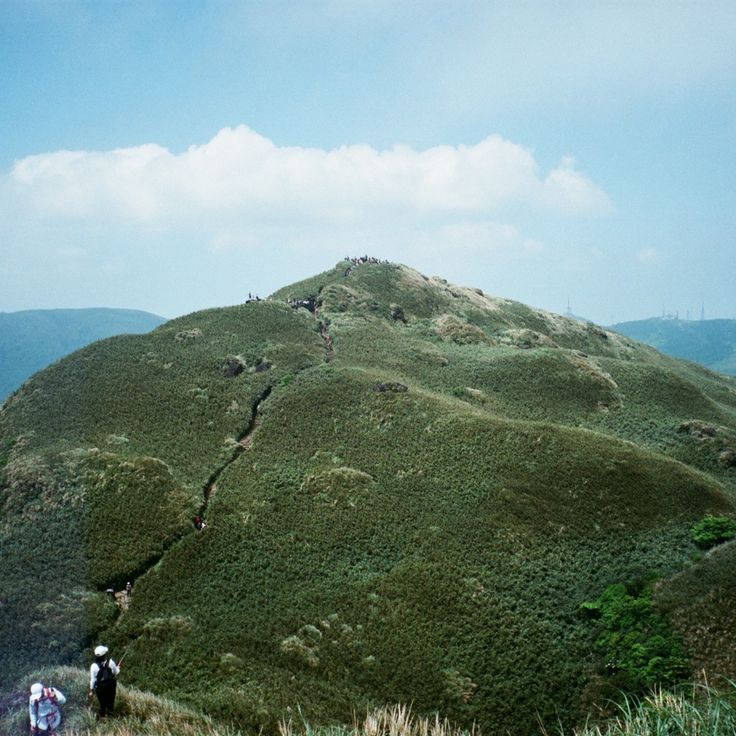
Elephant Mountain is a natural elevation in Taipei accessible by hiking trail or cable car, standing 183 meters high. From this spot, visitors enjoy views across Taipei city and the surrounding landscape. Within the collection of remarkable sites on the island, this mountain represents the natural attractions that complement Taiwan's historical monuments like 17th-century Fort Zeelandia, temples with intricate sculptures, and other geographical features.
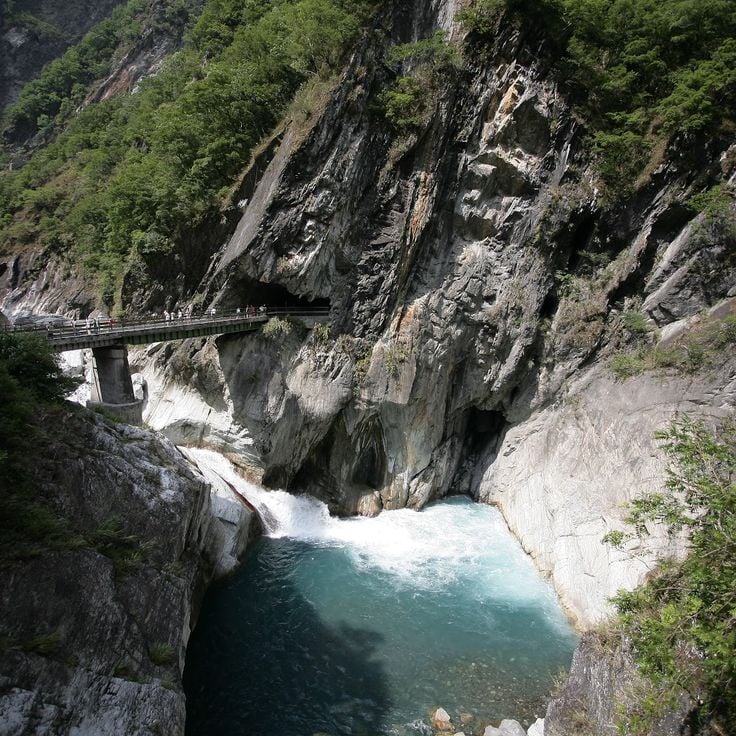
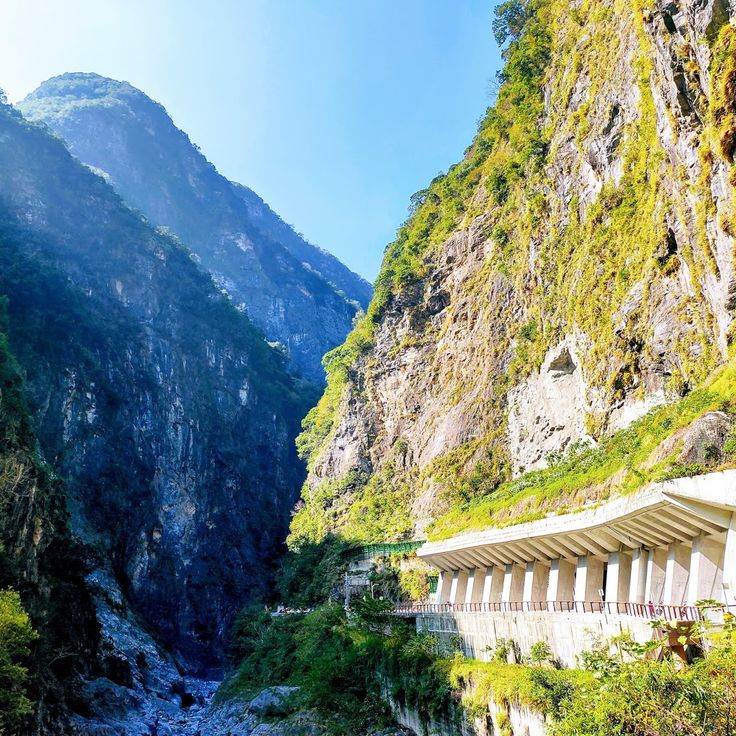
Taroko Gorge is a national park that represents the natural side of Taiwan's remarkable sites. With white marble cliffs, natural tunnels, and hiking trails along the Liwu River, this place shows how geological forces have shaped the island's landscape over time.
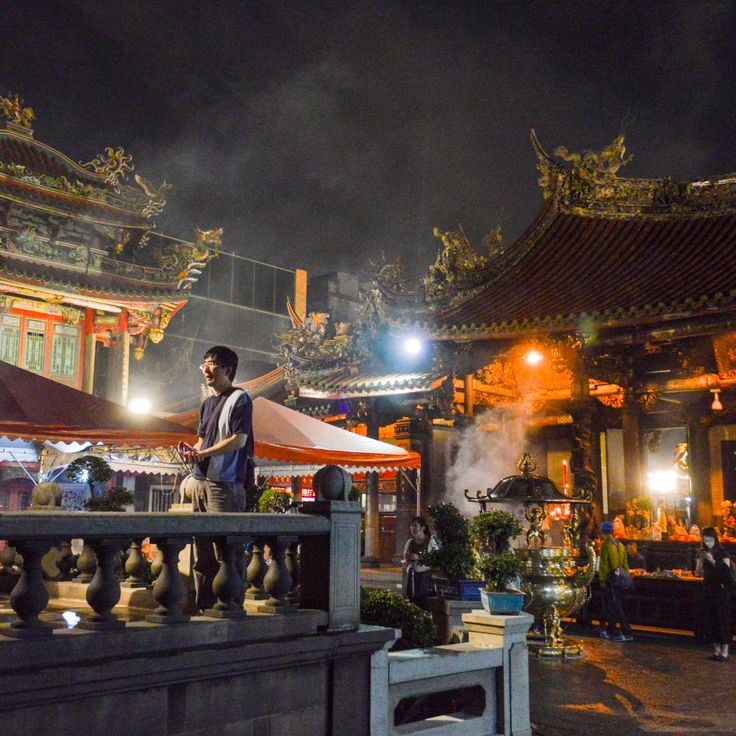
Longshan Temple shows how Taiwan brings past and present together. This temple was built in 1738 and blends Buddhist and Taoist architecture. You will find carved wooden figures, ornately decorated roofs, and fish ponds within the Wanhua district. The temple is part of local beliefs and traditions that are reflected in every detail.
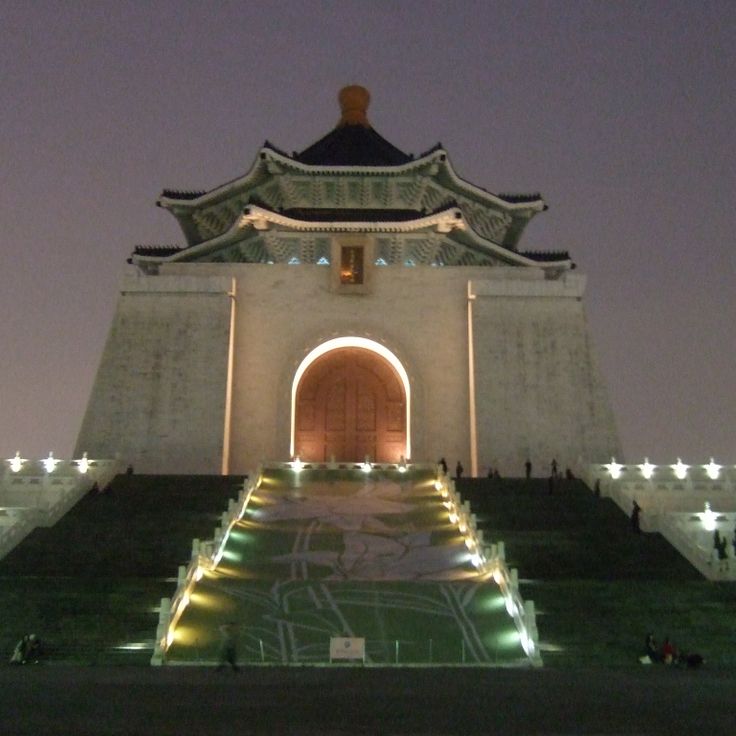
The Chiang Kai-shek Memorial Hall is a white building in Chinese architectural style with a blue roof, situated in Taipei as part of Taiwan's historical sites. Surrounded by gardens, it houses a bronze statue and draws visitors interested in understanding the island's past. This memorial stands alongside modern landmarks like Taipei 101, representing how Taiwan preserves its history while moving forward into the contemporary era.
Yangmingshan National Park sits on an active volcano and represents Taiwan's mix of natural wonders and modern life. The park features hot springs, fumaroles, hiking trails, and seasonal flower gardens. Visitors can walk through landscapes shaped by volcanic forces while staying close to Taipei's urban energy.
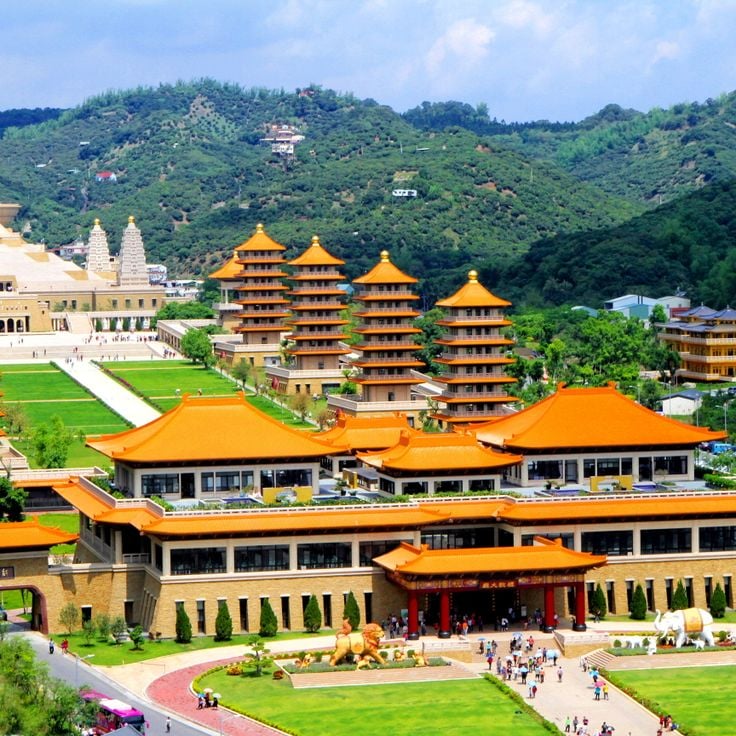
The Fo Guang Shan Museum is a Buddhist cultural center in Kaohsiung and contributes to Taiwan's collection of remarkable sites. This museum displays religious artworks, ancient relics, and a collection of sacred texts spanning several centuries. The location brings together historical treasures with modern museum experience while reflecting the spiritual traditions that remain alive on the island.
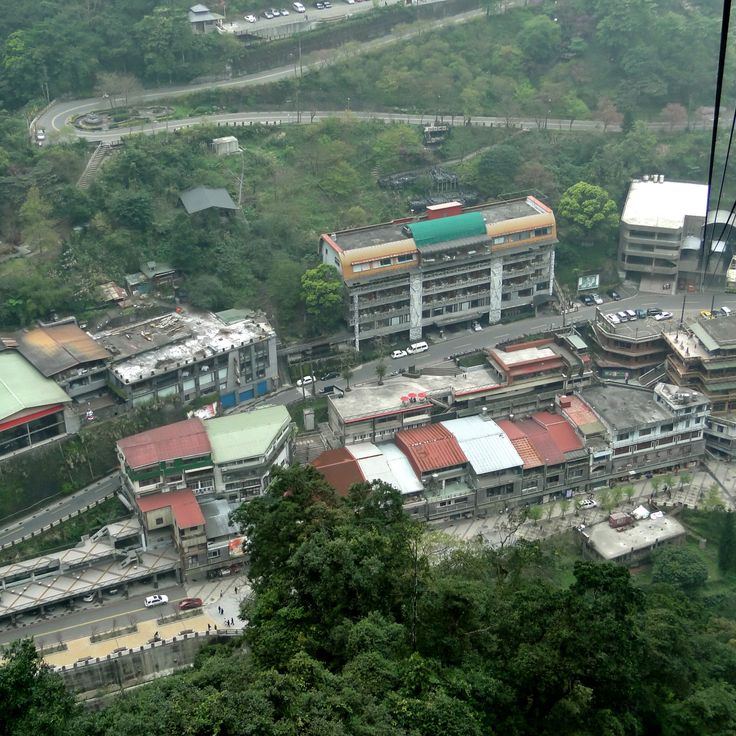
Wulai is a cultural center of the Atayal people and represents Taiwan's blend of traditions and natural beauty. The site features natural hot springs, an ethnographic museum that showcases local traditions and beliefs, and a cable car that ascends to forest waterfalls. Visitors can experience both indigenous heritage and the island's mountain landscape in one place.
Lukang is a historical center from the 17th century that demonstrates Taiwan's blend of old and new. This town preserves its original structure with cobblestone streets, Buddhist and Taoist temples, and craft workshops. The houses built in Ming and Qing dynasty styles reveal how people lived and worked during these periods.
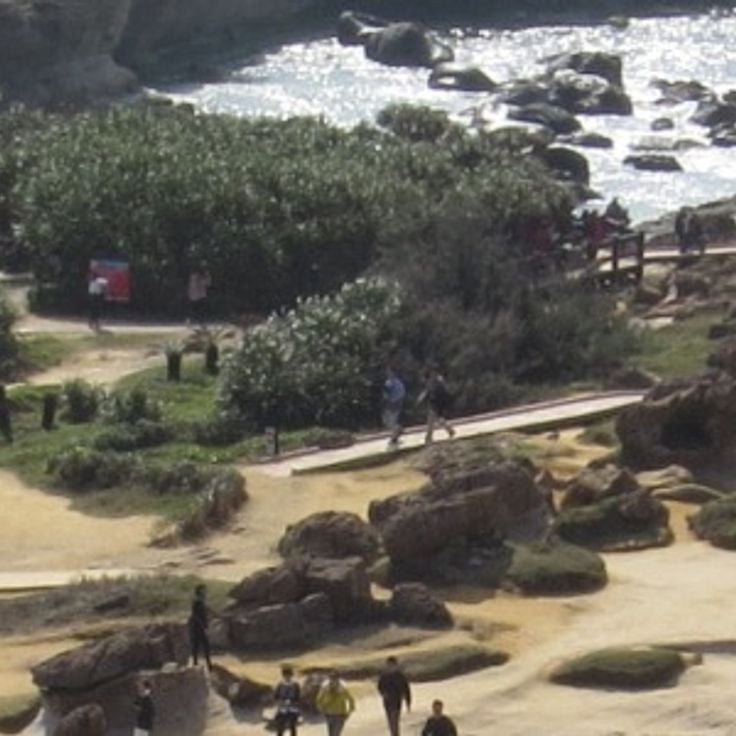
Yehliu Geopark is a coastal geological area in northern Taiwan that reflects the island's natural heritage. This park displays sandstone and limestone rock formations shaped by marine erosion and weathering over time. The dramatic rock formations reveal how natural forces have carved and transformed the shoreline, offering visitors a window into the geological processes that have shaped Taiwan's diverse landscape.
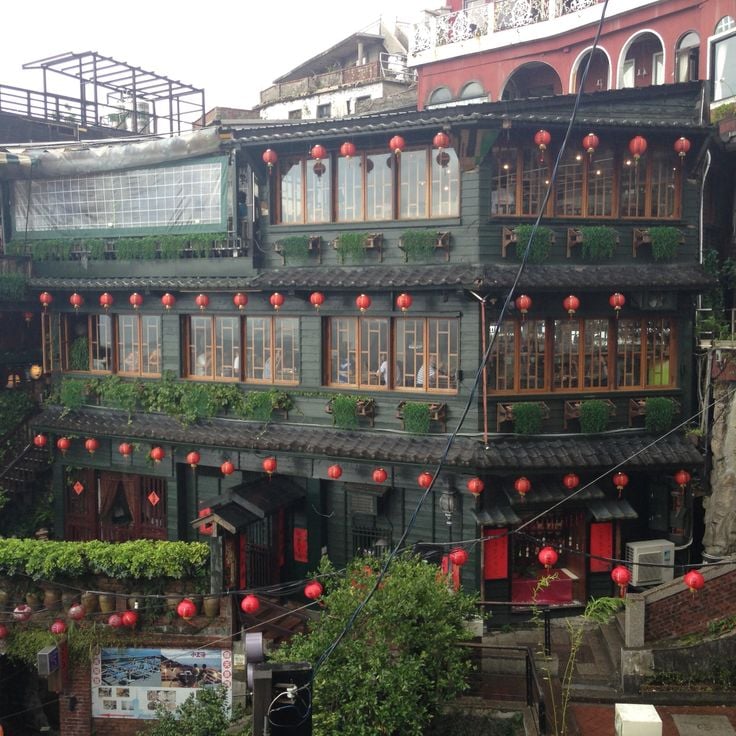
Jiufen is a former mining village in New Taipei that represents Taiwan's blend of historical heritage and living traditions. Established in the mountains during the Japanese colonial era, the village features narrow stairways, temples decorated with carved figures reflecting local beliefs, red lanterns, and traditional tea houses. Walking through Jiufen, visitors experience the rhythm of a place where past architectural styles and cultural practices remain woven into daily life.
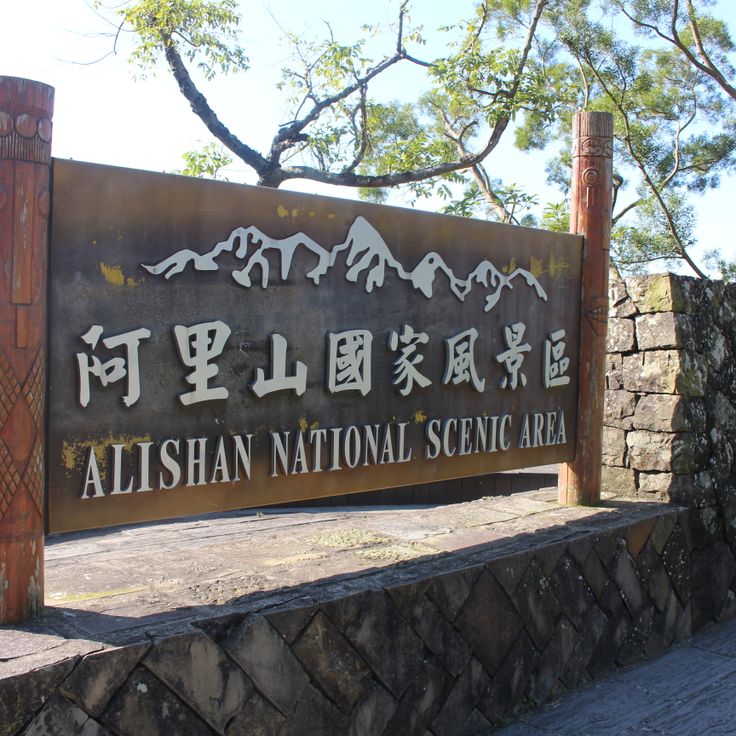
Alishan National Scenic Area in Chiayi County demonstrates Taiwan's natural side, which visitors can explore. This reserve sits between 2000 and 2700 meters in elevation and holds red cypresses that are thousands of years old. A historic railway runs through the landscape, connecting the island's history with its nature.
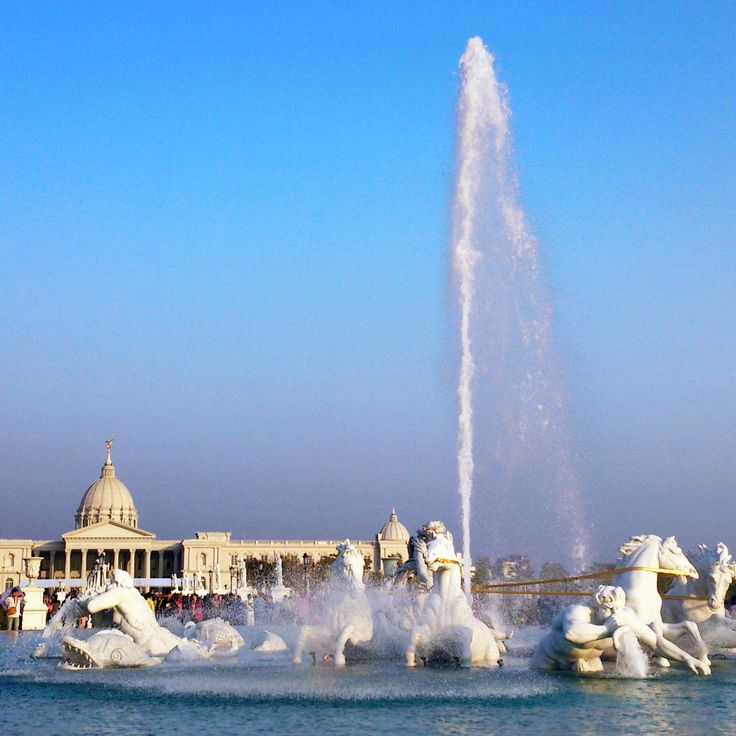
The Chimei Museum displays Western art, ancient musical instruments, armor, and historical weapons in its neoclassical building. It fits into Taiwan's diverse museum landscape, where contemporary art collections exist alongside presentations of traditional craftsmanship and history. The museum offers a perspective on artistic traditions shaped by different cultures across centuries.
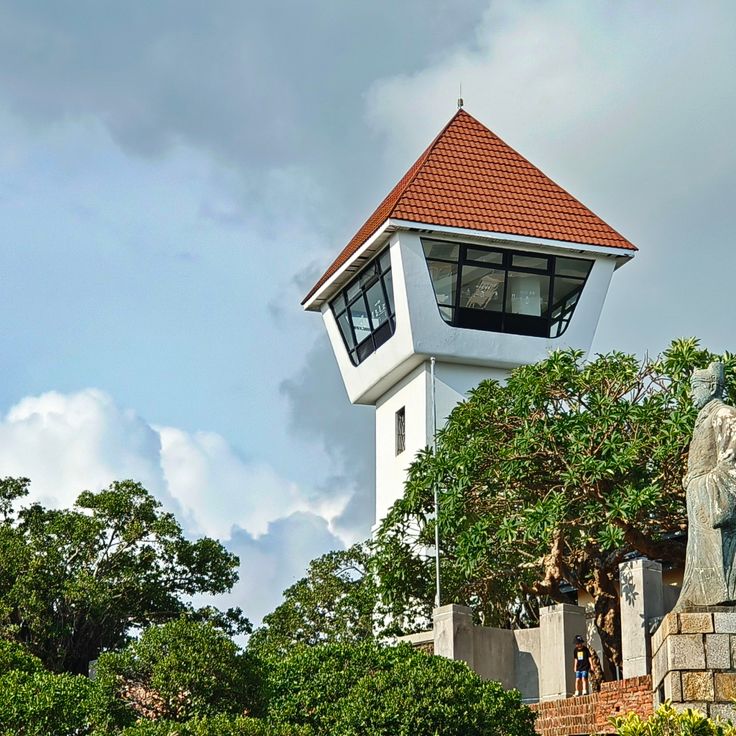
Fort Zeelandia is a fortification built by the Dutch East India Company in 1634 in Tainan. The site features red brick walls and archaeological remains that reveal the early European presence on Taiwan. As a 17th-century monument, this fort embodies the complex history of the island and its diverse cultural influences.
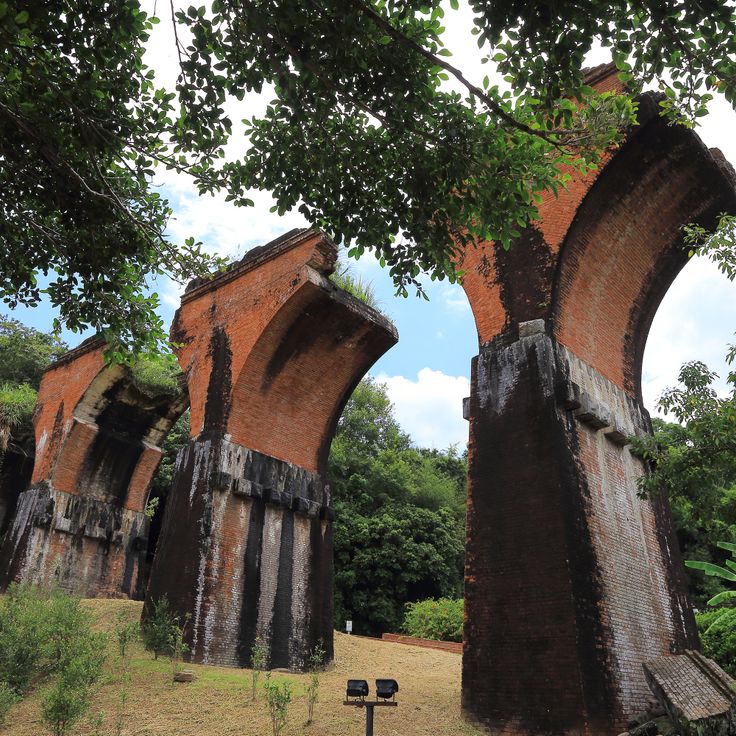
Longteng Bridge is a railway structure built in 1906 during the Japanese occupation of Taiwan. As part of the island's historical monuments, it shows how the railway transformed Taiwan during the early 1900s. The red brick pillars of this bridge have survived several earthquakes over more than a century. Standing in Sanyi, the bridge represents the engineering work of its era and sits near the mountains and natural features that shape the landscape of Taiwan.
The Baiyang Waterfalls are part of Taiwan's notable natural sites and feature a series of cascades reached through eight tunnels carved directly into the rock face. The walking path crosses deep gorges and reaches hot spring sources, exemplifying the island's geological features that include marble gorges, natural parks, and geothermal resources.
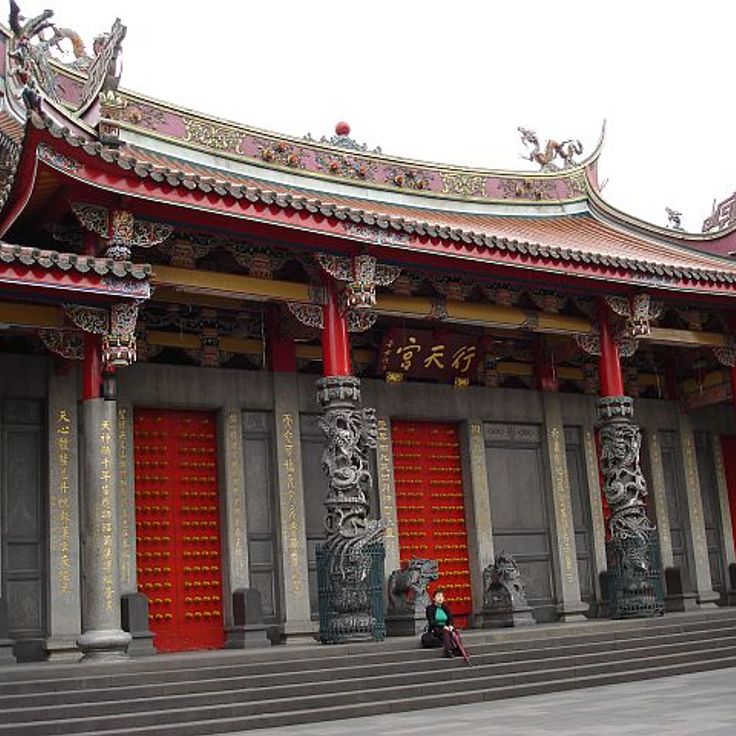
This temple is a Taoist shrine within Taiwan's collection of historical sites. Founded in 1967, Hsing Tien Temple honors Guan Yu and Yue Fei. The building contains a large prayer hall where worshippers gather, and a garden with a pond that invites quiet reflection among the landscaping.
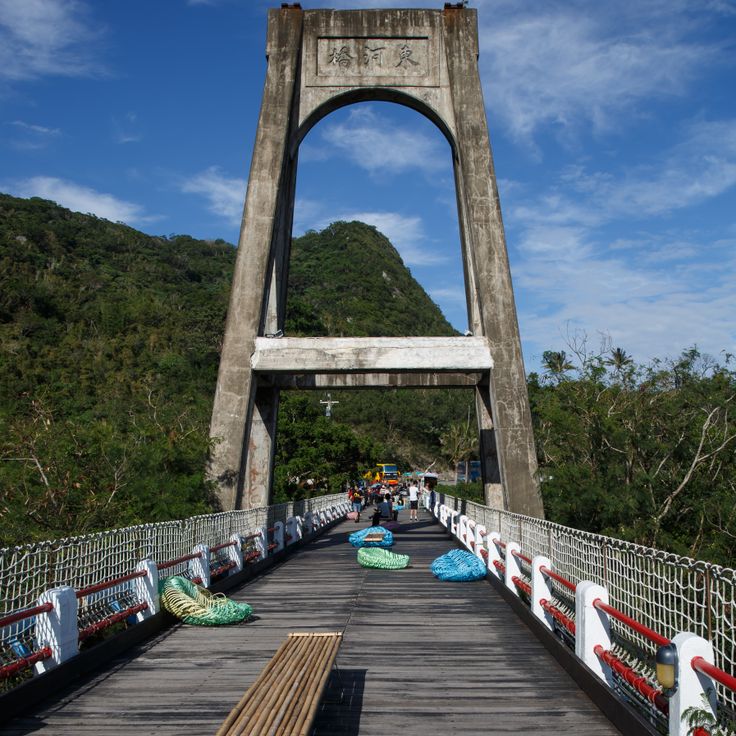
The Donghe Bridge is a steel structure spanning the Donghe River in Taiwan. Built in 1992, it connects the communities of Chenggong and Mawuku. This bridge represents the modern infrastructure that Taiwan has developed, fitting into the island's story of combining historical monuments, temples, and natural landscapes with contemporary construction.
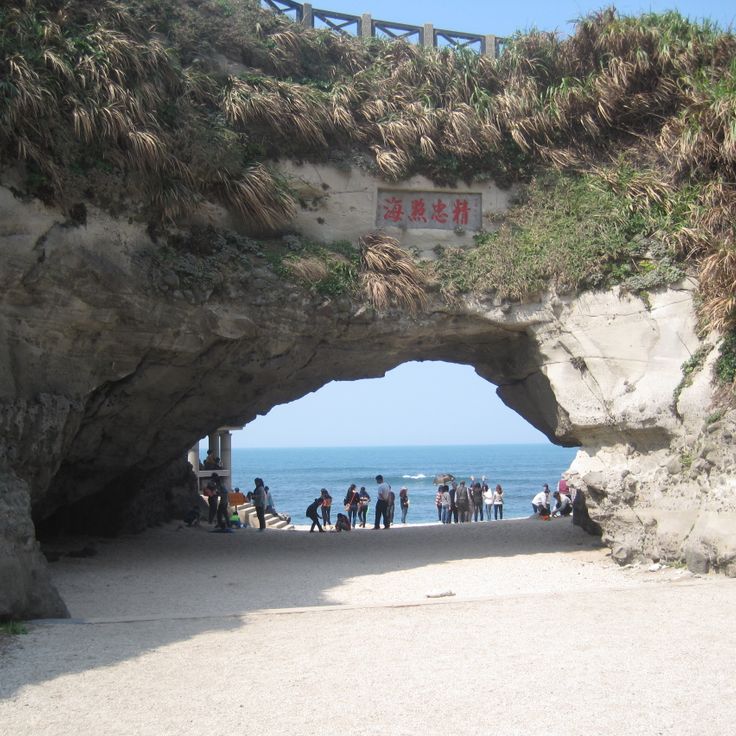
Shimen Cave is a coastal geological formation on Taiwan's northern shore, shaped by wave erosion over time. Its natural arch rises about 18 meters high and displays typical features found along the island's northern coast. This site fits within Taiwan's range of natural attractions, which include marble gorges, hot springs, mountains, and other coastal geological formations alongside historical monuments and temples.
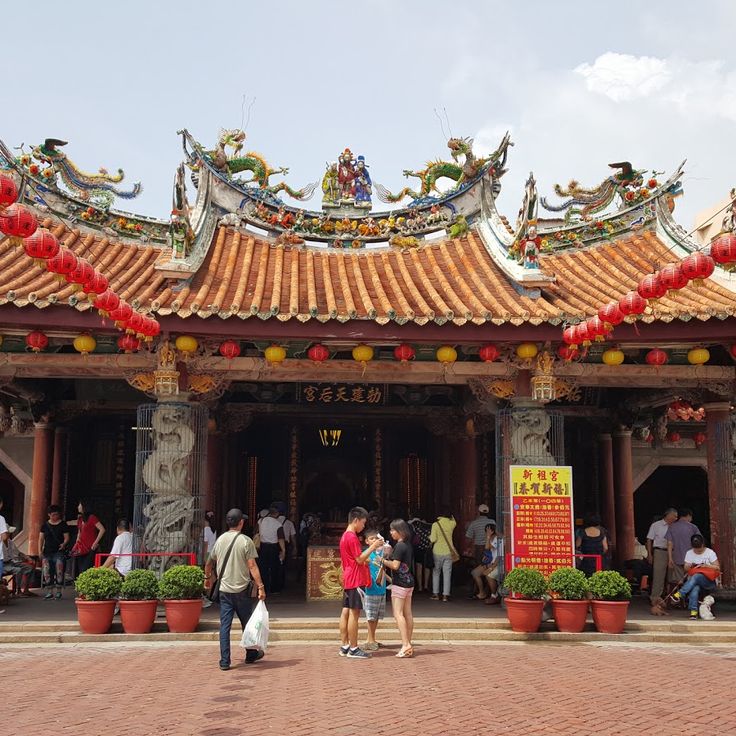
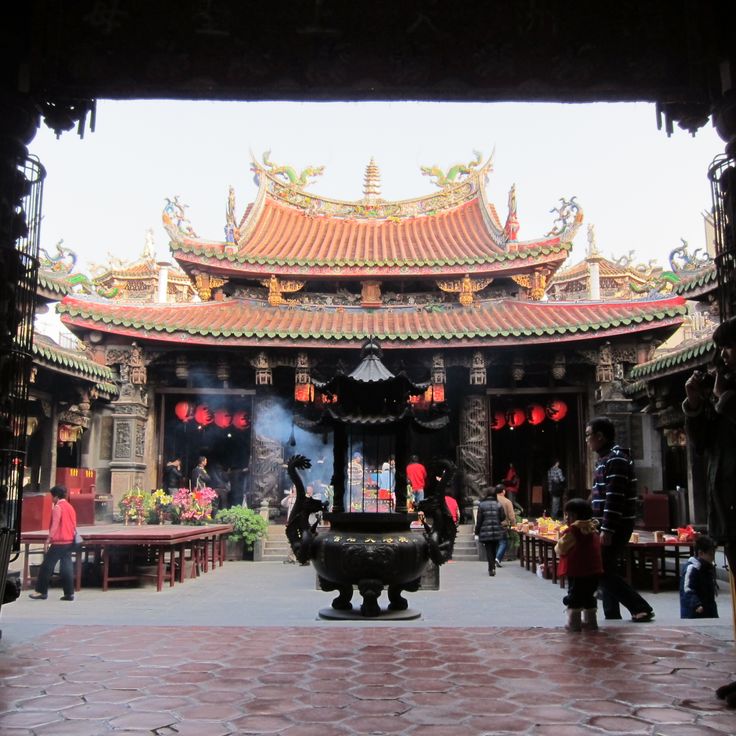
The Mazu Temple is an 18th-century sanctuary dedicated to the goddess Mazu. As part of Taiwan's historical landmarks, this temple displays the craftsmanship of its era through intricately carved woodwork and murals depicting traditional scenes. The temple embodies the religious depth of the Buddhist and Taoist temples that characterize the island.
The Beitou Hot Springs are part of the remarkable sites of Taiwan, where natural beauty and cultural heritage come together. These natural hot springs feature outdoor and indoor pools, a geological museum, and gardens in a historic thermal district of Taipei. The location demonstrates how the island uses and preserves its natural resources, much like Taiwan's national parks with marble gorges and other geothermal attractions.
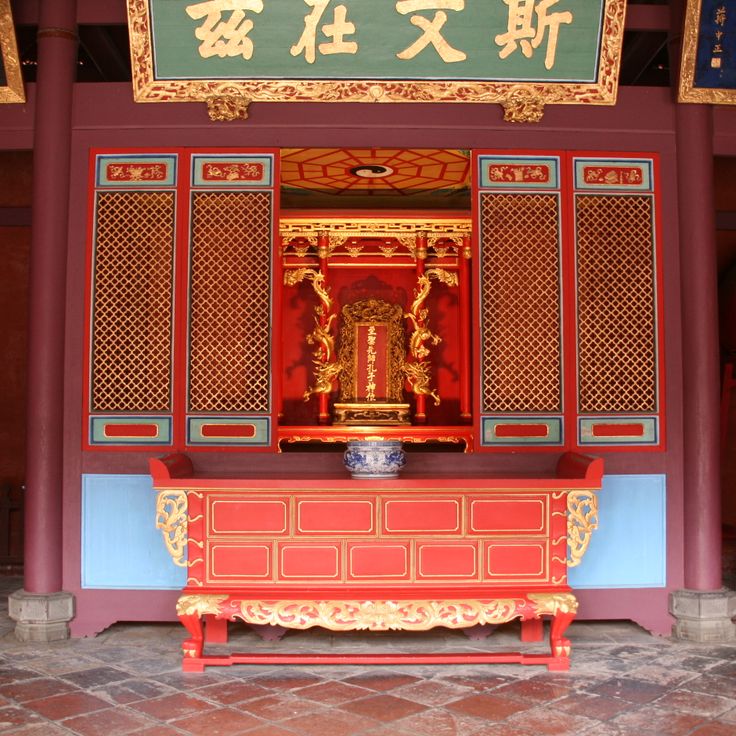
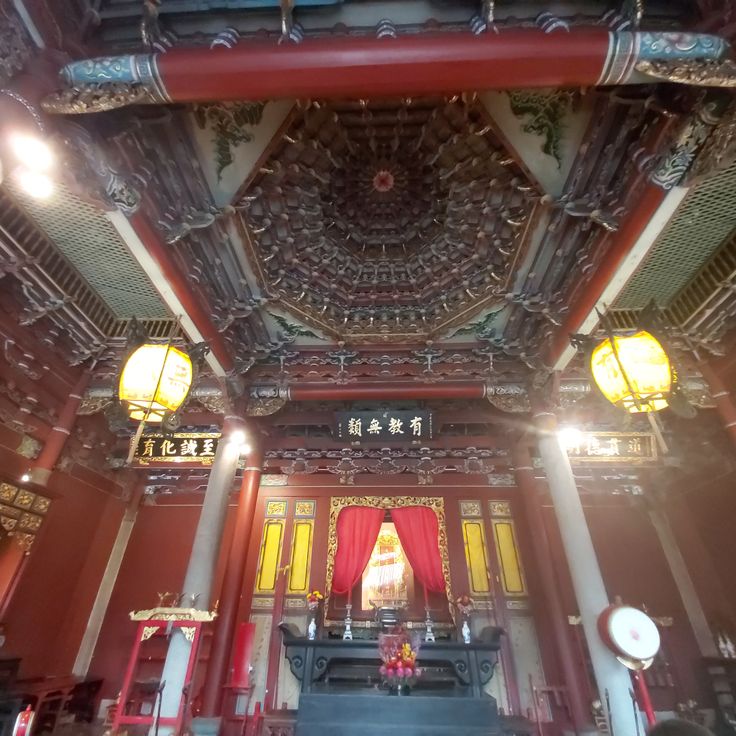
The Temple of Confucius in Tainan represents one of Taiwan's oldest religious structures dedicated to Confucius, built in 1665. As part of the island's historical sites that include Buddhist and Taoist temples, museums of ancient Chinese art, and various monuments, this temple stands out for its age and significance. Its pavilions, courtyards, and gardens create a space for reflection and spiritual practice.
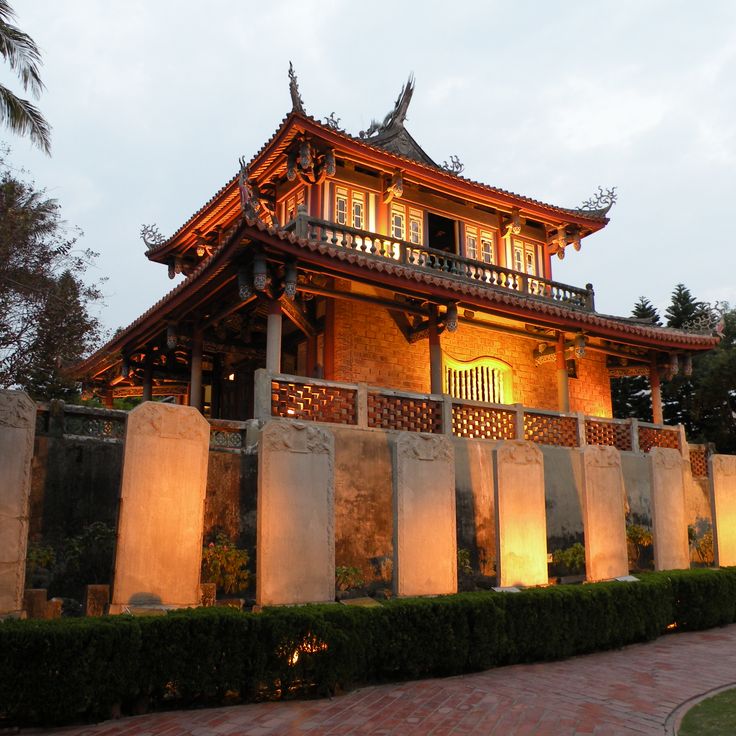
Chihkan Tower is a fort built in 1653 by the Dutch. In the 18th century, it was transformed into a Chinese temple. The site consists of two towers and preserves historical inscriptions. This location is part of Taiwan's notable sites, which feature historical monuments such as 17th-century Fort Zeelandia, Buddhist and Taoist temples decorated with sculptures, museums holding ancient Chinese art, natural parks with marble gorges, hot springs and mountains, plus coastal geological formations.
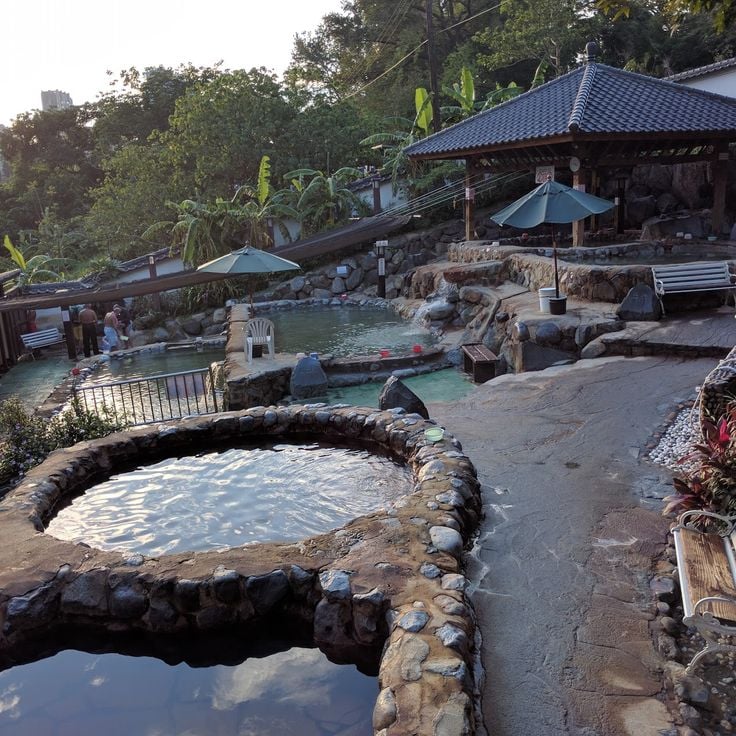
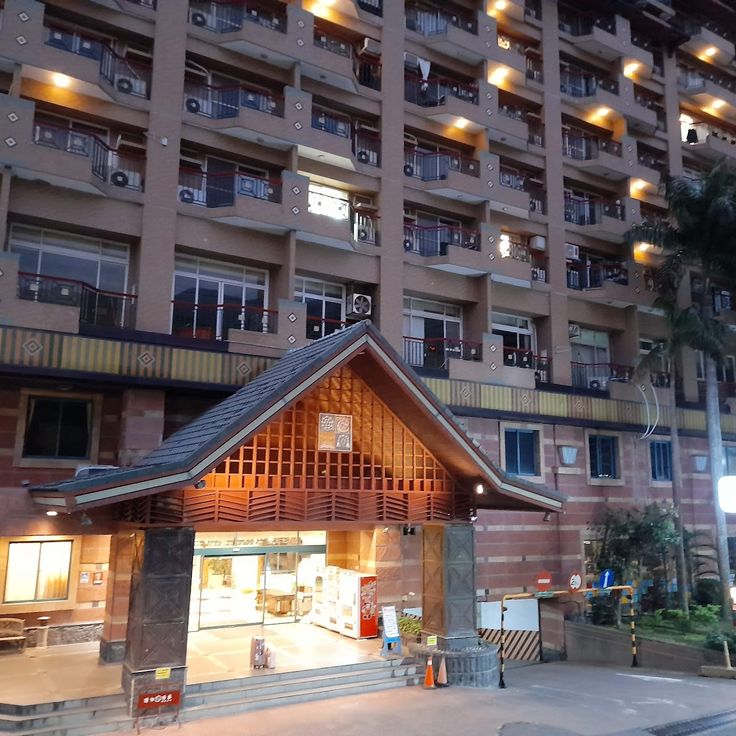
The Jhiben Hot Springs are among Taiwan's remarkable sites, featuring natural thermal springs at 48 degrees Celsius located at 300 meters altitude in the mountains of Taitung County. Several outdoor pools allow visitors to bathe in these waters. Like other hot springs found across the island, this site represents one of Taiwan's natural attractions, alongside marble gorges, mountain ranges, and coastal geological features.
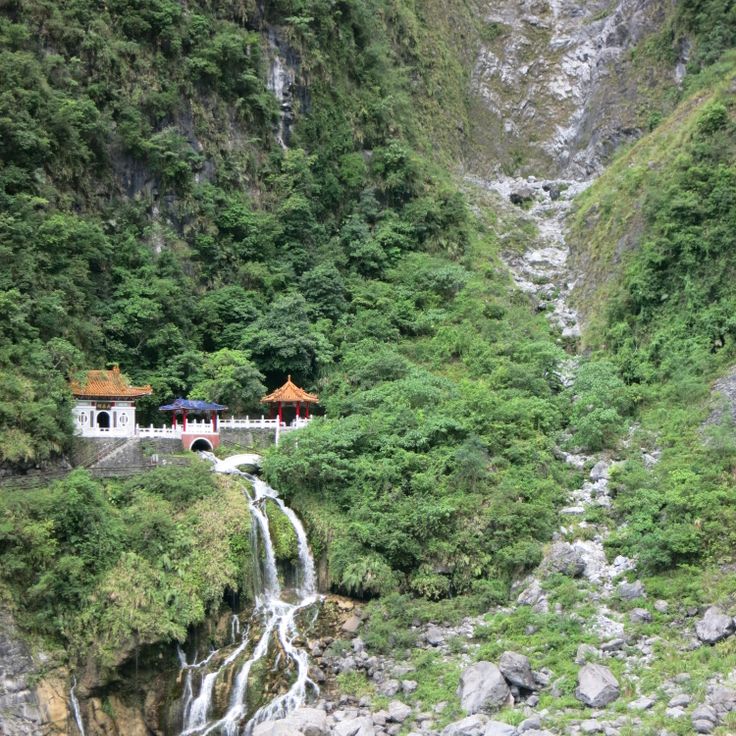
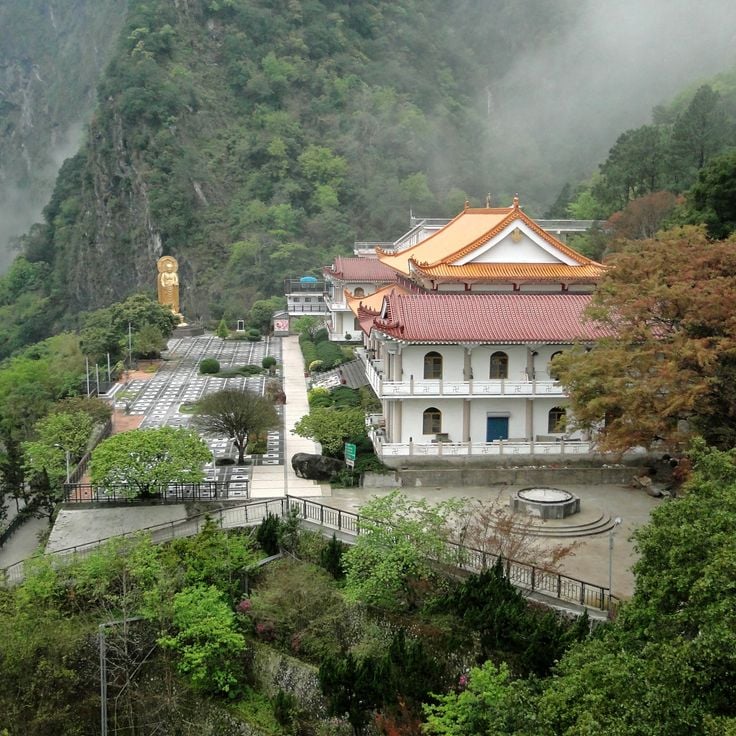
Eternal Spring Shrine is a Taoist temple built in 1954 on a cliff at 454 meters altitude. A three-story pagoda dominates the religious building surrounded by mountains. As part of Taiwan's significant sites, this shrine represents the island's tradition of blending religious structures with natural landscapes, alongside Buddhist and Taoist temples adorned with sculptures and mountain settings.
The Tunnel of Nine Turns is a 1260-meter road tunnel carved into rock between 1950 and 1960. Its nine curves wind through the marble gorge walls and represent the geological sites found across Taiwan, where natural parks showcase marble canyons, hot springs, and mountain ranges.
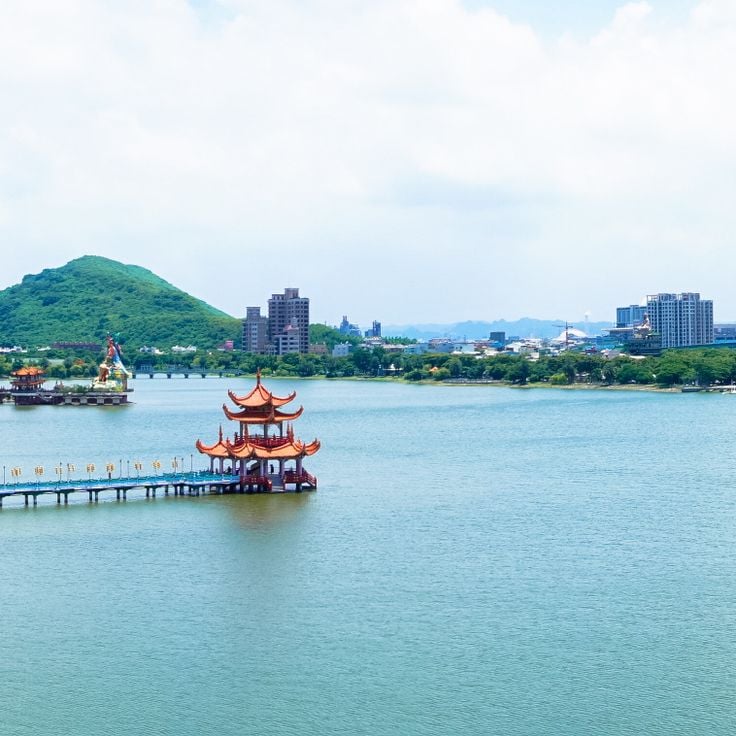
The Lotus Temple is a Buddhist religious monument in Kaohsiung built on an artificial lake. It represents one of Taiwan's remarkable sites that connects spiritual architecture with natural settings. In April, lotus flowers bloom around the temple, creating a striking sight. The temple serves as a place for religious ceremonies and cultural events that reflect the spiritual life of the region.
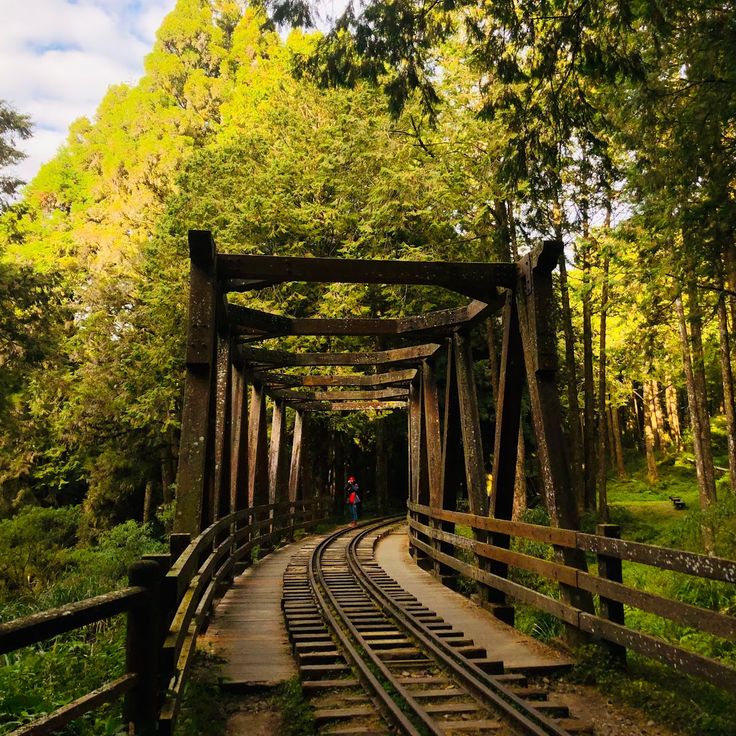
The Shuishan Trail is a 1.6-kilometer walking path located on an old forest railway in Alishan. This trail fits into Taiwan's diverse offerings, where historical sites and natural experiences coexist. The Shuishan Trail passes through cypress forests and provides views of the surrounding mountains. The path demonstrates how the island draws visitors into landscapes where old infrastructure and natural beauty come together.
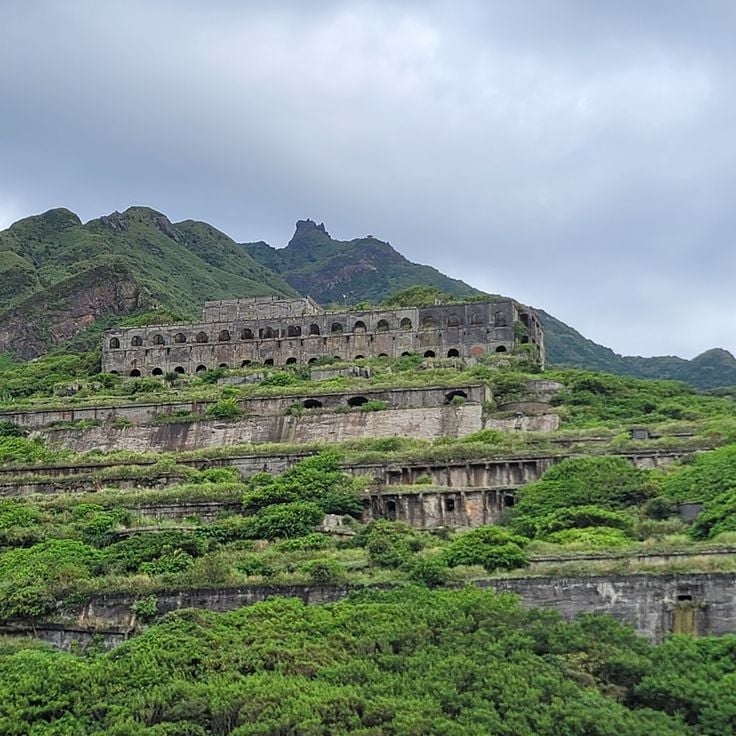
The Shuinandong Smelter is a 13-story industrial facility built during the Japanese occupation. This site documents Taiwan's industrial history and fits within the island's range of historical landmarks, which also include 17th-century forts and traditional villages. The facility operated for copper and gold extraction from 1933 to 1987, showing the economic development of Taiwan during this era.
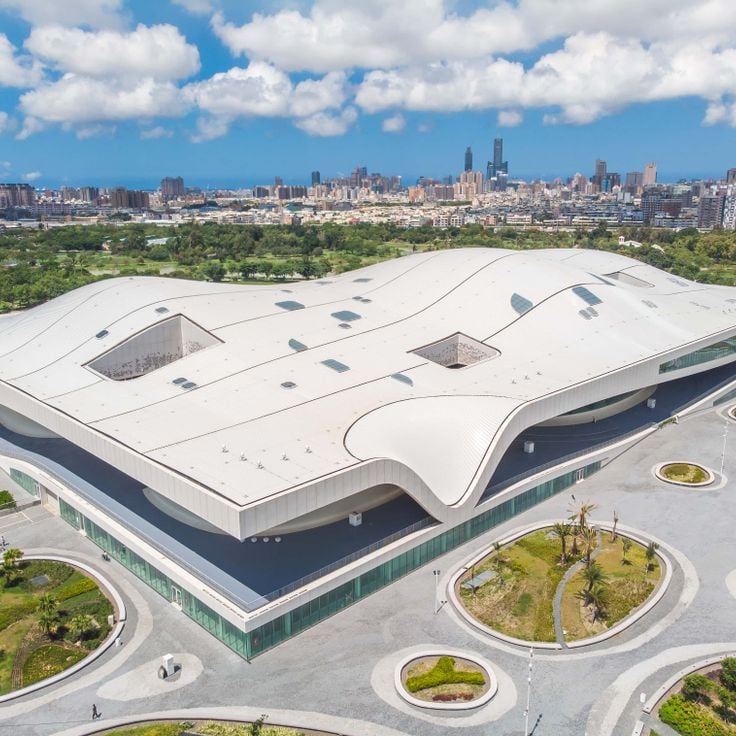
Weiwuying is a national arts center in Kaohsiung that represents Taiwan's blend of tradition and contemporary culture. This venue features five performance halls and a 20,000-seat outdoor amphitheater where visitors can experience theater, music, dance, and other art forms. The center showcases local and international artists, making it an important gathering place for cultural expression on the island.
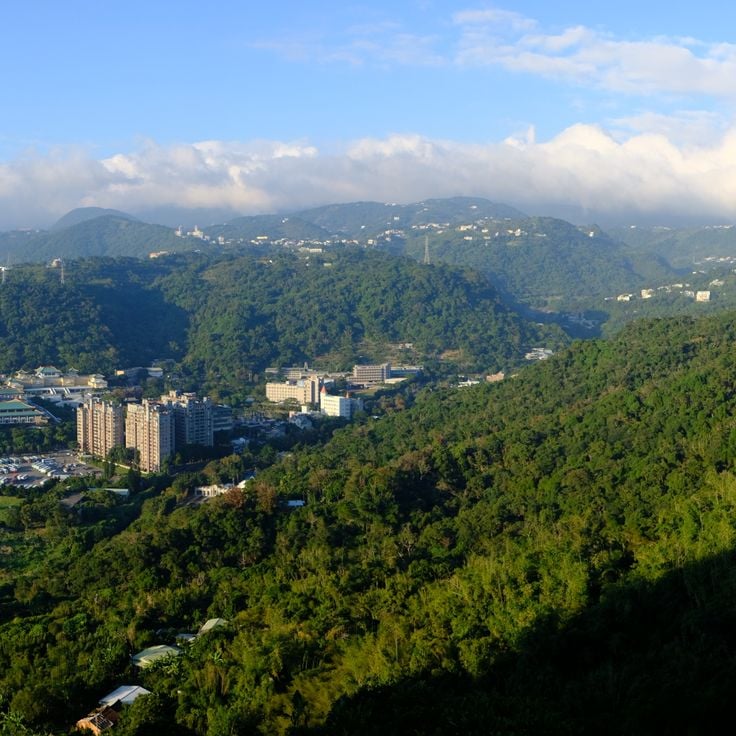
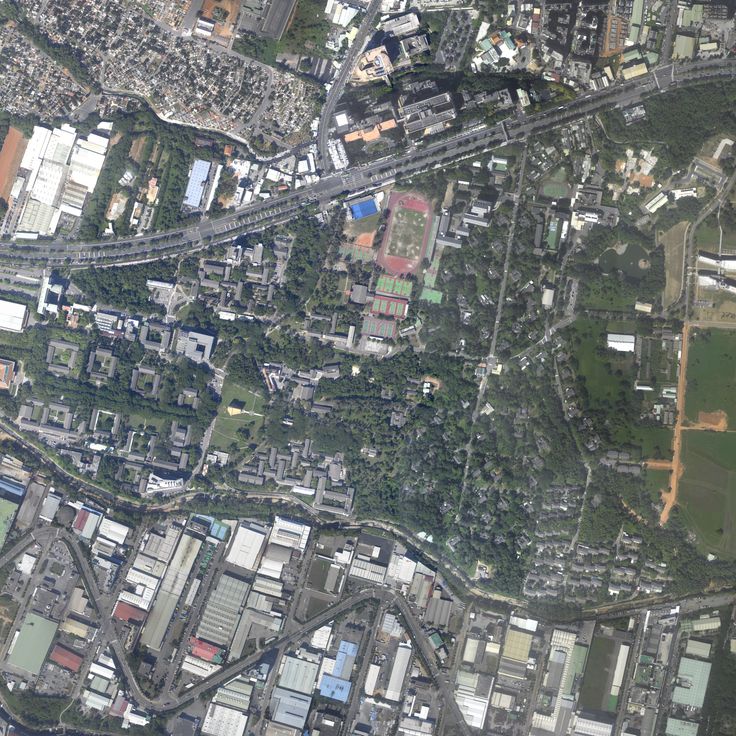
Tunghai University, founded in 1955, is an educational institution that represents Taiwan's modern side. The university demonstrates how the island balances tradition with progress. At the heart of the campus sits a chapel made of concrete and glass, designed by architect Ieoh Ming Pei. This chapel embodies contemporary architecture that stands alongside historical sites like 17th-century Fort Zeelandia, reflecting Taiwan's blend of past and present.
The God of War Temple is a 17th-century religious monument in Tainan dedicated to the god Guan Yu. This temple represents Taiwan's historical sites with its traditional craftsmanship displayed through sculptures, stone columns, and painted murals that reflect the island's rich cultural past.
The National Palace Museum in Taipei preserves one of the world's largest collections of Chinese art. The museum displays more than 700,000 objects, including paintings, calligraphy, jade, and porcelain. It represents an important part of Taiwan's cultural institutions, alongside historical monuments, temples, and sites that tell the story of the island's artistic heritage.
Taipei 101 is a modern office tower in the center of Taipei and represents Taiwan's contemporary architecture. The tower contains office space, a five-story shopping mall, and an observation deck on the 89th floor that offers sweeping views over the city. This building is part of the infrastructure that shows Taiwan's place on the world stage.
Sun Moon Lake in Nantou County is a natural lake situated at 748 meters above sea level within Taiwan's collection of remarkable sites. The lake sits surrounded by mountains and temples, offering visitors water activities and cycling paths that span approximately 33 kilometers. This location represents Taiwan's natural diversity, complementing the island's historical monuments, temples, museums, and modern infrastructure.
Elephant Mountain is a natural elevation in Taipei accessible by hiking trail or cable car, standing 183 meters high. From this spot, visitors enjoy views across Taipei city and the surrounding landscape. Within the collection of remarkable sites on the island, this mountain represents the natural attractions that complement Taiwan's historical monuments like 17th-century Fort Zeelandia, temples with intricate sculptures, and other geographical features.
Taroko Gorge is a national park that represents the natural side of Taiwan's remarkable sites. With white marble cliffs, natural tunnels, and hiking trails along the Liwu River, this place shows how geological forces have shaped the island's landscape over time.
Longshan Temple shows how Taiwan brings past and present together. This temple was built in 1738 and blends Buddhist and Taoist architecture. You will find carved wooden figures, ornately decorated roofs, and fish ponds within the Wanhua district. The temple is part of local beliefs and traditions that are reflected in every detail.
The Chiang Kai-shek Memorial Hall is a white building in Chinese architectural style with a blue roof, situated in Taipei as part of Taiwan's historical sites. Surrounded by gardens, it houses a bronze statue and draws visitors interested in understanding the island's past. This memorial stands alongside modern landmarks like Taipei 101, representing how Taiwan preserves its history while moving forward into the contemporary era.
Yangmingshan National Park sits on an active volcano and represents Taiwan's mix of natural wonders and modern life. The park features hot springs, fumaroles, hiking trails, and seasonal flower gardens. Visitors can walk through landscapes shaped by volcanic forces while staying close to Taipei's urban energy.
The Fo Guang Shan Museum is a Buddhist cultural center in Kaohsiung and contributes to Taiwan's collection of remarkable sites. This museum displays religious artworks, ancient relics, and a collection of sacred texts spanning several centuries. The location brings together historical treasures with modern museum experience while reflecting the spiritual traditions that remain alive on the island.
Wulai is a cultural center of the Atayal people and represents Taiwan's blend of traditions and natural beauty. The site features natural hot springs, an ethnographic museum that showcases local traditions and beliefs, and a cable car that ascends to forest waterfalls. Visitors can experience both indigenous heritage and the island's mountain landscape in one place.
Lukang is a historical center from the 17th century that demonstrates Taiwan's blend of old and new. This town preserves its original structure with cobblestone streets, Buddhist and Taoist temples, and craft workshops. The houses built in Ming and Qing dynasty styles reveal how people lived and worked during these periods.
Yehliu Geopark is a coastal geological area in northern Taiwan that reflects the island's natural heritage. This park displays sandstone and limestone rock formations shaped by marine erosion and weathering over time. The dramatic rock formations reveal how natural forces have carved and transformed the shoreline, offering visitors a window into the geological processes that have shaped Taiwan's diverse landscape.
Jiufen is a former mining village in New Taipei that represents Taiwan's blend of historical heritage and living traditions. Established in the mountains during the Japanese colonial era, the village features narrow stairways, temples decorated with carved figures reflecting local beliefs, red lanterns, and traditional tea houses. Walking through Jiufen, visitors experience the rhythm of a place where past architectural styles and cultural practices remain woven into daily life.
Alishan National Scenic Area in Chiayi County demonstrates Taiwan's natural side, which visitors can explore. This reserve sits between 2000 and 2700 meters in elevation and holds red cypresses that are thousands of years old. A historic railway runs through the landscape, connecting the island's history with its nature.
The Chimei Museum displays Western art, ancient musical instruments, armor, and historical weapons in its neoclassical building. It fits into Taiwan's diverse museum landscape, where contemporary art collections exist alongside presentations of traditional craftsmanship and history. The museum offers a perspective on artistic traditions shaped by different cultures across centuries.
Fort Zeelandia is a fortification built by the Dutch East India Company in 1634 in Tainan. The site features red brick walls and archaeological remains that reveal the early European presence on Taiwan. As a 17th-century monument, this fort embodies the complex history of the island and its diverse cultural influences.
Longteng Bridge is a railway structure built in 1906 during the Japanese occupation of Taiwan. As part of the island's historical monuments, it shows how the railway transformed Taiwan during the early 1900s. The red brick pillars of this bridge have survived several earthquakes over more than a century. Standing in Sanyi, the bridge represents the engineering work of its era and sits near the mountains and natural features that shape the landscape of Taiwan.
The Baiyang Waterfalls are part of Taiwan's notable natural sites and feature a series of cascades reached through eight tunnels carved directly into the rock face. The walking path crosses deep gorges and reaches hot spring sources, exemplifying the island's geological features that include marble gorges, natural parks, and geothermal resources.
This temple is a Taoist shrine within Taiwan's collection of historical sites. Founded in 1967, Hsing Tien Temple honors Guan Yu and Yue Fei. The building contains a large prayer hall where worshippers gather, and a garden with a pond that invites quiet reflection among the landscaping.
The Donghe Bridge is a steel structure spanning the Donghe River in Taiwan. Built in 1992, it connects the communities of Chenggong and Mawuku. This bridge represents the modern infrastructure that Taiwan has developed, fitting into the island's story of combining historical monuments, temples, and natural landscapes with contemporary construction.
Shimen Cave is a coastal geological formation on Taiwan's northern shore, shaped by wave erosion over time. Its natural arch rises about 18 meters high and displays typical features found along the island's northern coast. This site fits within Taiwan's range of natural attractions, which include marble gorges, hot springs, mountains, and other coastal geological formations alongside historical monuments and temples.
The Mazu Temple is an 18th-century sanctuary dedicated to the goddess Mazu. As part of Taiwan's historical landmarks, this temple displays the craftsmanship of its era through intricately carved woodwork and murals depicting traditional scenes. The temple embodies the religious depth of the Buddhist and Taoist temples that characterize the island.
The Beitou Hot Springs are part of the remarkable sites of Taiwan, where natural beauty and cultural heritage come together. These natural hot springs feature outdoor and indoor pools, a geological museum, and gardens in a historic thermal district of Taipei. The location demonstrates how the island uses and preserves its natural resources, much like Taiwan's national parks with marble gorges and other geothermal attractions.
The Temple of Confucius in Tainan represents one of Taiwan's oldest religious structures dedicated to Confucius, built in 1665. As part of the island's historical sites that include Buddhist and Taoist temples, museums of ancient Chinese art, and various monuments, this temple stands out for its age and significance. Its pavilions, courtyards, and gardens create a space for reflection and spiritual practice.
Chihkan Tower is a fort built in 1653 by the Dutch. In the 18th century, it was transformed into a Chinese temple. The site consists of two towers and preserves historical inscriptions. This location is part of Taiwan's notable sites, which feature historical monuments such as 17th-century Fort Zeelandia, Buddhist and Taoist temples decorated with sculptures, museums holding ancient Chinese art, natural parks with marble gorges, hot springs and mountains, plus coastal geological formations.
The Jhiben Hot Springs are among Taiwan's remarkable sites, featuring natural thermal springs at 48 degrees Celsius located at 300 meters altitude in the mountains of Taitung County. Several outdoor pools allow visitors to bathe in these waters. Like other hot springs found across the island, this site represents one of Taiwan's natural attractions, alongside marble gorges, mountain ranges, and coastal geological features.
Eternal Spring Shrine is a Taoist temple built in 1954 on a cliff at 454 meters altitude. A three-story pagoda dominates the religious building surrounded by mountains. As part of Taiwan's significant sites, this shrine represents the island's tradition of blending religious structures with natural landscapes, alongside Buddhist and Taoist temples adorned with sculptures and mountain settings.
The Tunnel of Nine Turns is a 1260-meter road tunnel carved into rock between 1950 and 1960. Its nine curves wind through the marble gorge walls and represent the geological sites found across Taiwan, where natural parks showcase marble canyons, hot springs, and mountain ranges.
The Lotus Temple is a Buddhist religious monument in Kaohsiung built on an artificial lake. It represents one of Taiwan's remarkable sites that connects spiritual architecture with natural settings. In April, lotus flowers bloom around the temple, creating a striking sight. The temple serves as a place for religious ceremonies and cultural events that reflect the spiritual life of the region.
The Shuishan Trail is a 1.6-kilometer walking path located on an old forest railway in Alishan. This trail fits into Taiwan's diverse offerings, where historical sites and natural experiences coexist. The Shuishan Trail passes through cypress forests and provides views of the surrounding mountains. The path demonstrates how the island draws visitors into landscapes where old infrastructure and natural beauty come together.
The Shuinandong Smelter is a 13-story industrial facility built during the Japanese occupation. This site documents Taiwan's industrial history and fits within the island's range of historical landmarks, which also include 17th-century forts and traditional villages. The facility operated for copper and gold extraction from 1933 to 1987, showing the economic development of Taiwan during this era.
Weiwuying is a national arts center in Kaohsiung that represents Taiwan's blend of tradition and contemporary culture. This venue features five performance halls and a 20,000-seat outdoor amphitheater where visitors can experience theater, music, dance, and other art forms. The center showcases local and international artists, making it an important gathering place for cultural expression on the island.
Tunghai University, founded in 1955, is an educational institution that represents Taiwan's modern side. The university demonstrates how the island balances tradition with progress. At the heart of the campus sits a chapel made of concrete and glass, designed by architect Ieoh Ming Pei. This chapel embodies contemporary architecture that stands alongside historical sites like 17th-century Fort Zeelandia, reflecting Taiwan's blend of past and present.
The God of War Temple is a 17th-century religious monument in Tainan dedicated to the god Guan Yu. This temple represents Taiwan's historical sites with its traditional craftsmanship displayed through sculptures, stone columns, and painted murals that reflect the island's rich cultural past.
The National Palace Museum in Taipei preserves one of the world's largest collections of Chinese art. The museum displays more than 700,000 objects, including paintings, calligraphy, jade, and porcelain. It represents an important part of Taiwan's cultural institutions, alongside historical monuments, temples, and sites that tell the story of the island's artistic heritage.
Taipei 101 is a modern office tower in the center of Taipei and represents Taiwan's contemporary architecture. The tower contains office space, a five-story shopping mall, and an observation deck on the 89th floor that offers sweeping views over the city. This building is part of the infrastructure that shows Taiwan's place on the world stage.
Sun Moon Lake in Nantou County is a natural lake situated at 748 meters above sea level within Taiwan's collection of remarkable sites. The lake sits surrounded by mountains and temples, offering visitors water activities and cycling paths that span approximately 33 kilometers. This location represents Taiwan's natural diversity, complementing the island's historical monuments, temples, museums, and modern infrastructure.
Elephant Mountain is a natural elevation in Taipei accessible by hiking trail or cable car, standing 183 meters high. From this spot, visitors enjoy views across Taipei city and the surrounding landscape. Within the collection of remarkable sites on the island, this mountain represents the natural attractions that complement Taiwan's historical monuments like 17th-century Fort Zeelandia, temples with intricate sculptures, and other geographical features.
Taroko Gorge is a national park that represents the natural side of Taiwan's remarkable sites. With white marble cliffs, natural tunnels, and hiking trails along the Liwu River, this place shows how geological forces have shaped the island's landscape over time.
Longshan Temple shows how Taiwan brings past and present together. This temple was built in 1738 and blends Buddhist and Taoist architecture. You will find carved wooden figures, ornately decorated roofs, and fish ponds within the Wanhua district. The temple is part of local beliefs and traditions that are reflected in every detail.
The Chiang Kai-shek Memorial Hall is a white building in Chinese architectural style with a blue roof, situated in Taipei as part of Taiwan's historical sites. Surrounded by gardens, it houses a bronze statue and draws visitors interested in understanding the island's past. This memorial stands alongside modern landmarks like Taipei 101, representing how Taiwan preserves its history while moving forward into the contemporary era.
Yangmingshan National Park sits on an active volcano and represents Taiwan's mix of natural wonders and modern life. The park features hot springs, fumaroles, hiking trails, and seasonal flower gardens. Visitors can walk through landscapes shaped by volcanic forces while staying close to Taipei's urban energy.
The Fo Guang Shan Museum is a Buddhist cultural center in Kaohsiung and contributes to Taiwan's collection of remarkable sites. This museum displays religious artworks, ancient relics, and a collection of sacred texts spanning several centuries. The location brings together historical treasures with modern museum experience while reflecting the spiritual traditions that remain alive on the island.
Wulai is a cultural center of the Atayal people and represents Taiwan's blend of traditions and natural beauty. The site features natural hot springs, an ethnographic museum that showcases local traditions and beliefs, and a cable car that ascends to forest waterfalls. Visitors can experience both indigenous heritage and the island's mountain landscape in one place.
Lukang is a historical center from the 17th century that demonstrates Taiwan's blend of old and new. This town preserves its original structure with cobblestone streets, Buddhist and Taoist temples, and craft workshops. The houses built in Ming and Qing dynasty styles reveal how people lived and worked during these periods.
Yehliu Geopark is a coastal geological area in northern Taiwan that reflects the island's natural heritage. This park displays sandstone and limestone rock formations shaped by marine erosion and weathering over time. The dramatic rock formations reveal how natural forces have carved and transformed the shoreline, offering visitors a window into the geological processes that have shaped Taiwan's diverse landscape.
Jiufen is a former mining village in New Taipei that represents Taiwan's blend of historical heritage and living traditions. Established in the mountains during the Japanese colonial era, the village features narrow stairways, temples decorated with carved figures reflecting local beliefs, red lanterns, and traditional tea houses. Walking through Jiufen, visitors experience the rhythm of a place where past architectural styles and cultural practices remain woven into daily life.
Alishan National Scenic Area in Chiayi County demonstrates Taiwan's natural side, which visitors can explore. This reserve sits between 2000 and 2700 meters in elevation and holds red cypresses that are thousands of years old. A historic railway runs through the landscape, connecting the island's history with its nature.
The Chimei Museum displays Western art, ancient musical instruments, armor, and historical weapons in its neoclassical building. It fits into Taiwan's diverse museum landscape, where contemporary art collections exist alongside presentations of traditional craftsmanship and history. The museum offers a perspective on artistic traditions shaped by different cultures across centuries.
Fort Zeelandia is a fortification built by the Dutch East India Company in 1634 in Tainan. The site features red brick walls and archaeological remains that reveal the early European presence on Taiwan. As a 17th-century monument, this fort embodies the complex history of the island and its diverse cultural influences.
Longteng Bridge is a railway structure built in 1906 during the Japanese occupation of Taiwan. As part of the island's historical monuments, it shows how the railway transformed Taiwan during the early 1900s. The red brick pillars of this bridge have survived several earthquakes over more than a century. Standing in Sanyi, the bridge represents the engineering work of its era and sits near the mountains and natural features that shape the landscape of Taiwan.
The Baiyang Waterfalls are part of Taiwan's notable natural sites and feature a series of cascades reached through eight tunnels carved directly into the rock face. The walking path crosses deep gorges and reaches hot spring sources, exemplifying the island's geological features that include marble gorges, natural parks, and geothermal resources.
This temple is a Taoist shrine within Taiwan's collection of historical sites. Founded in 1967, Hsing Tien Temple honors Guan Yu and Yue Fei. The building contains a large prayer hall where worshippers gather, and a garden with a pond that invites quiet reflection among the landscaping.
The Donghe Bridge is a steel structure spanning the Donghe River in Taiwan. Built in 1992, it connects the communities of Chenggong and Mawuku. This bridge represents the modern infrastructure that Taiwan has developed, fitting into the island's story of combining historical monuments, temples, and natural landscapes with contemporary construction.
Shimen Cave is a coastal geological formation on Taiwan's northern shore, shaped by wave erosion over time. Its natural arch rises about 18 meters high and displays typical features found along the island's northern coast. This site fits within Taiwan's range of natural attractions, which include marble gorges, hot springs, mountains, and other coastal geological formations alongside historical monuments and temples.
The Mazu Temple is an 18th-century sanctuary dedicated to the goddess Mazu. As part of Taiwan's historical landmarks, this temple displays the craftsmanship of its era through intricately carved woodwork and murals depicting traditional scenes. The temple embodies the religious depth of the Buddhist and Taoist temples that characterize the island.
The Beitou Hot Springs are part of the remarkable sites of Taiwan, where natural beauty and cultural heritage come together. These natural hot springs feature outdoor and indoor pools, a geological museum, and gardens in a historic thermal district of Taipei. The location demonstrates how the island uses and preserves its natural resources, much like Taiwan's national parks with marble gorges and other geothermal attractions.
The Temple of Confucius in Tainan represents one of Taiwan's oldest religious structures dedicated to Confucius, built in 1665. As part of the island's historical sites that include Buddhist and Taoist temples, museums of ancient Chinese art, and various monuments, this temple stands out for its age and significance. Its pavilions, courtyards, and gardens create a space for reflection and spiritual practice.
Chihkan Tower is a fort built in 1653 by the Dutch. In the 18th century, it was transformed into a Chinese temple. The site consists of two towers and preserves historical inscriptions. This location is part of Taiwan's notable sites, which feature historical monuments such as 17th-century Fort Zeelandia, Buddhist and Taoist temples decorated with sculptures, museums holding ancient Chinese art, natural parks with marble gorges, hot springs and mountains, plus coastal geological formations.
The Jhiben Hot Springs are among Taiwan's remarkable sites, featuring natural thermal springs at 48 degrees Celsius located at 300 meters altitude in the mountains of Taitung County. Several outdoor pools allow visitors to bathe in these waters. Like other hot springs found across the island, this site represents one of Taiwan's natural attractions, alongside marble gorges, mountain ranges, and coastal geological features.
Eternal Spring Shrine is a Taoist temple built in 1954 on a cliff at 454 meters altitude. A three-story pagoda dominates the religious building surrounded by mountains. As part of Taiwan's significant sites, this shrine represents the island's tradition of blending religious structures with natural landscapes, alongside Buddhist and Taoist temples adorned with sculptures and mountain settings.
The Tunnel of Nine Turns is a 1260-meter road tunnel carved into rock between 1950 and 1960. Its nine curves wind through the marble gorge walls and represent the geological sites found across Taiwan, where natural parks showcase marble canyons, hot springs, and mountain ranges.
The Lotus Temple is a Buddhist religious monument in Kaohsiung built on an artificial lake. It represents one of Taiwan's remarkable sites that connects spiritual architecture with natural settings. In April, lotus flowers bloom around the temple, creating a striking sight. The temple serves as a place for religious ceremonies and cultural events that reflect the spiritual life of the region.
The Shuishan Trail is a 1.6-kilometer walking path located on an old forest railway in Alishan. This trail fits into Taiwan's diverse offerings, where historical sites and natural experiences coexist. The Shuishan Trail passes through cypress forests and provides views of the surrounding mountains. The path demonstrates how the island draws visitors into landscapes where old infrastructure and natural beauty come together.
The Shuinandong Smelter is a 13-story industrial facility built during the Japanese occupation. This site documents Taiwan's industrial history and fits within the island's range of historical landmarks, which also include 17th-century forts and traditional villages. The facility operated for copper and gold extraction from 1933 to 1987, showing the economic development of Taiwan during this era.
Weiwuying is a national arts center in Kaohsiung that represents Taiwan's blend of tradition and contemporary culture. This venue features five performance halls and a 20,000-seat outdoor amphitheater where visitors can experience theater, music, dance, and other art forms. The center showcases local and international artists, making it an important gathering place for cultural expression on the island.
Tunghai University, founded in 1955, is an educational institution that represents Taiwan's modern side. The university demonstrates how the island balances tradition with progress. At the heart of the campus sits a chapel made of concrete and glass, designed by architect Ieoh Ming Pei. This chapel embodies contemporary architecture that stands alongside historical sites like 17th-century Fort Zeelandia, reflecting Taiwan's blend of past and present.
The God of War Temple is a 17th-century religious monument in Tainan dedicated to the god Guan Yu. This temple represents Taiwan's historical sites with its traditional craftsmanship displayed through sculptures, stone columns, and painted murals that reflect the island's rich cultural past.