Royal Society, National academy in Westminster, United Kingdom.
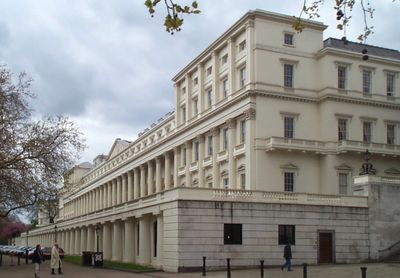
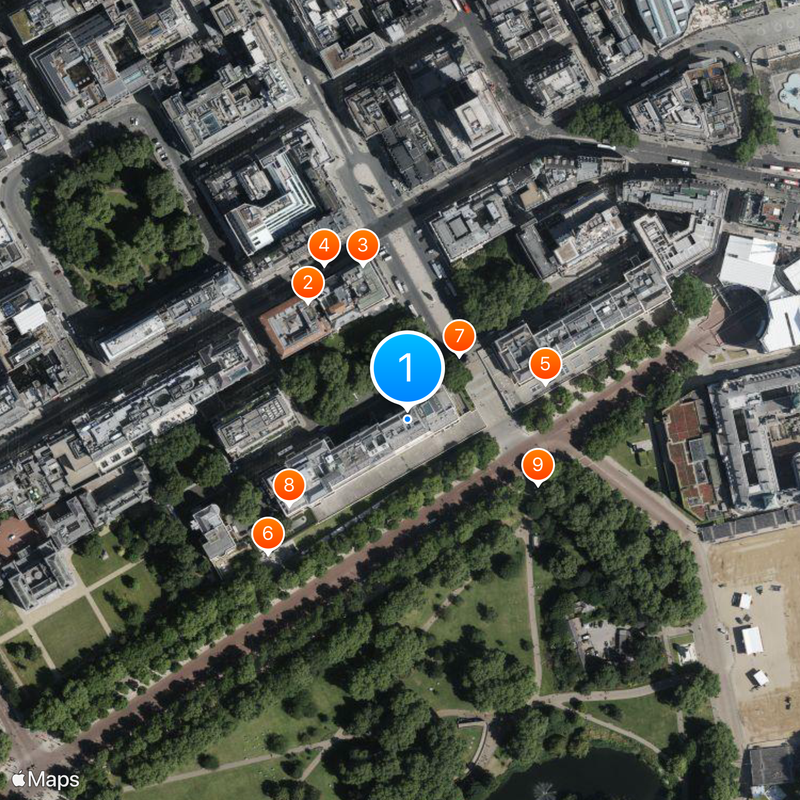
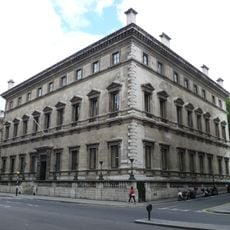
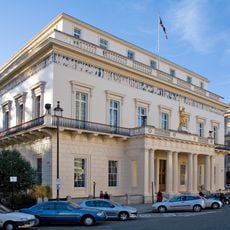
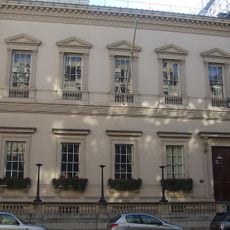
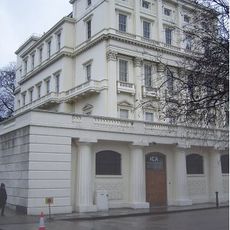
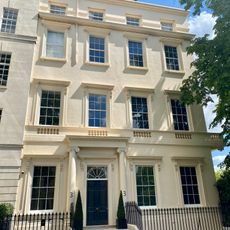
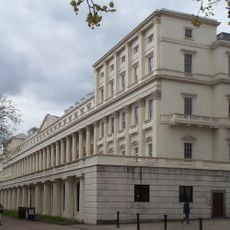
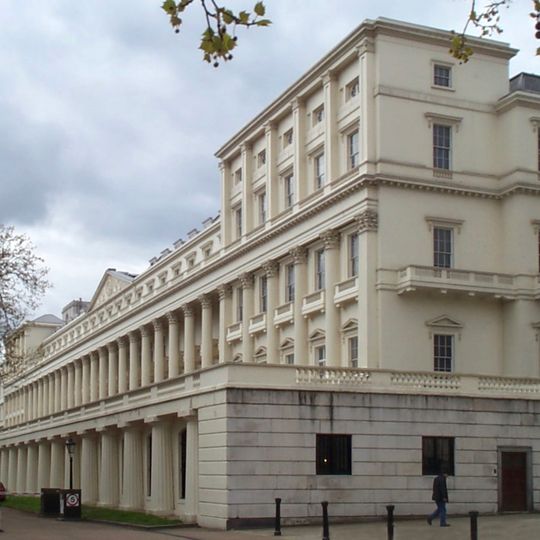
The Royal Society is a scientific academy in Westminster that operates research facilities, library spaces and laboratories inside a large building on Carlton House Terrace. The building has several floors with workrooms for members, archive cellars and a reading room filled with scientific journals and manuscripts.
King Charles II granted a royal charter to the organization in 1660, making it the first continuously operating scientific academy in the world. Isaac Newton later presided over the society and helped establish it as an international leader in natural science research.
Scientists from across Britain gather regularly in the meeting rooms to discuss new findings and demonstrate experiments to their peers. These sessions bring together chemists, biologists, physicists and others who often continue conversations in the corridors well into the evening.
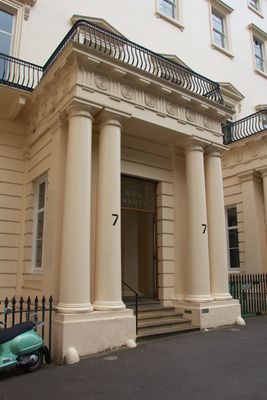
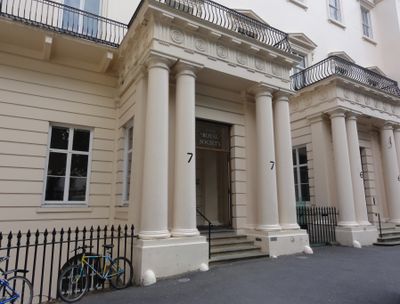
Visitors can view the scientific archives and collections by booking an appointment in advance through the administrative office. The entrance to the building is on the street side of Carlton House Terrace, and staff members help with directions inside.
The organization introduced the first scientific peer review system in 1665 through its journal Philosophical Transactions, creating a model for research validation. Many handwritten notes from scientists in the 1600s still sit in the archive cabinets today, showing early sketches of experiments and observations.
The community of curious travelers
AroundUs brings together thousands of curated places, local tips, and hidden gems, enriched daily by 92,524 contributors worldwide.