Plymouth, Port city in Devon, England
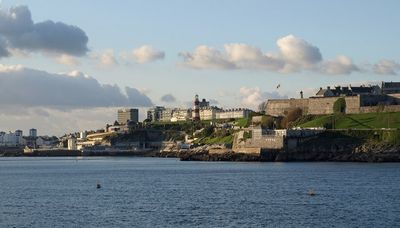
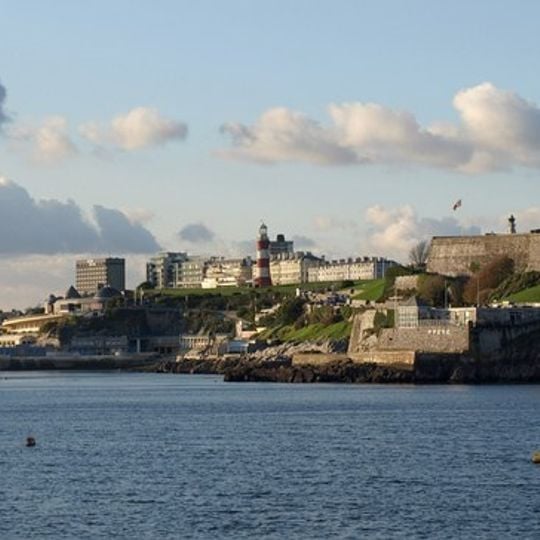
Plymouth sits at the mouth of two rivers where they meet the English Channel, creating a deep water harbor that accommodates both merchant shipping and Royal Navy vessels. The city spreads across coastal headlands and inland valleys in southwest England, marking the southern edge of Devon with Cornwall beginning just across the Tamar.
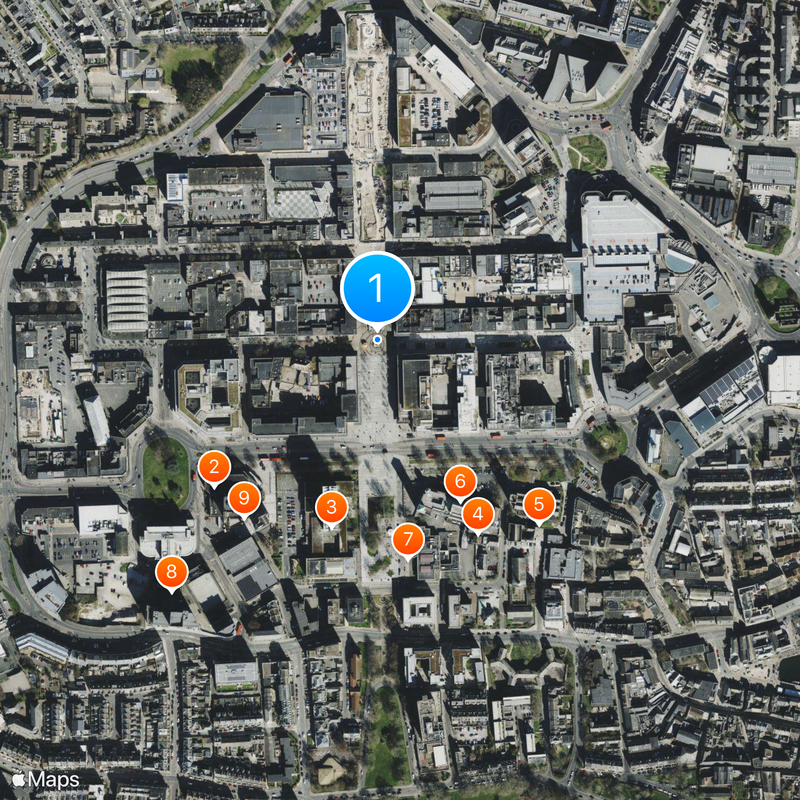
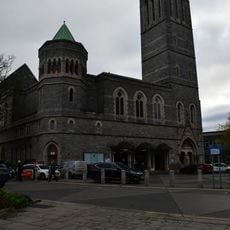
The site served as a fortified settlement from medieval times due to its strategic position controlling access to southwest England. Heavy bombing during the Second World War destroyed much of the historic center, leading to postwar rebuilding that shaped the modern layout of streets and public spaces.
The National Marine Aquarium presents extensive marine life collections, including native species from British waters and specimens from tropical environments.
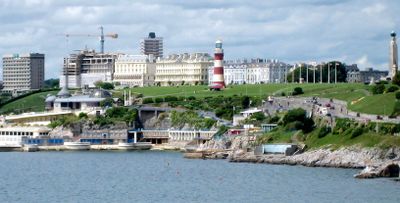
The railway station sits close to the center and connects directly to major cities across southern England and into London. The waterfront area and the green space known as the Hoe provide clear landmarks for getting your bearings when walking through town or arriving by car.
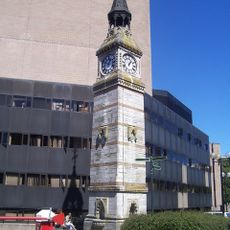
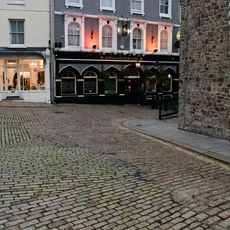
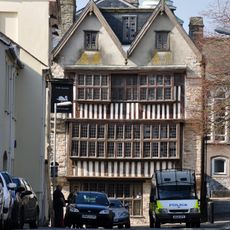
The Barbican district preserves narrow cobbled lanes and timber-framed buildings that predate the wartime destruction, offering a contrast to the wider postwar streets elsewhere in town. Smeaton's Tower, a relocated lighthouse from the Eddystone Rocks, now stands on the Hoe and allows visitors to climb its spiral staircase for views across the harbor and coastline.
The community of curious travelers
AroundUs brings together thousands of curated places, local tips, and hidden gems, enriched daily by 90,920 contributors worldwide.