Derby, County town in East Midlands, England
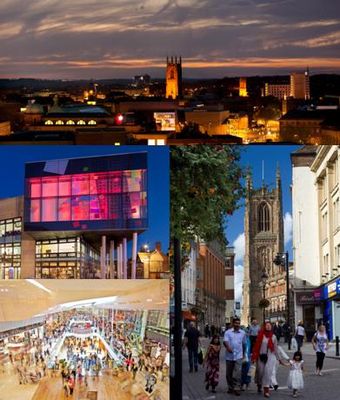
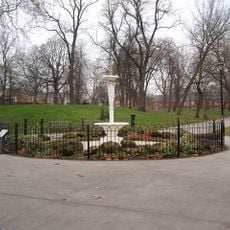
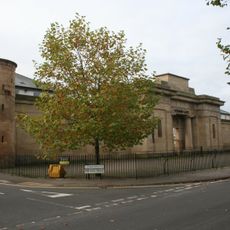
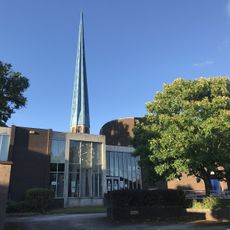
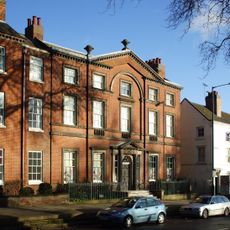
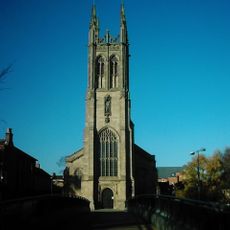
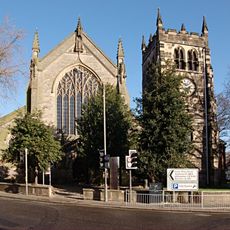
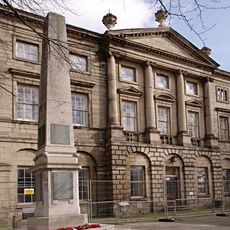
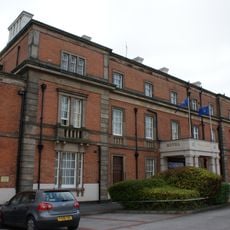
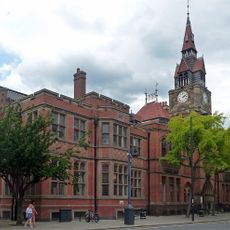
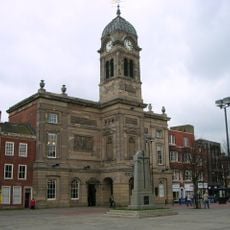
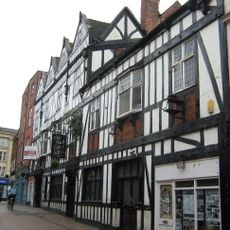
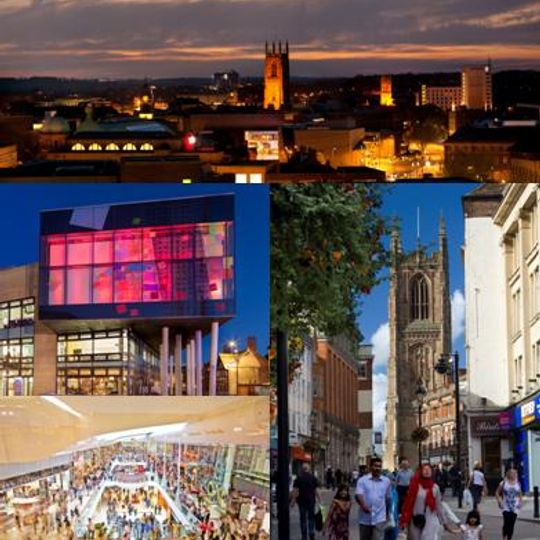
Derby stretches along the River Derwent through a mix of residential neighborhoods, industrial zones, and several public parks that shape the urban landscape. The town center combines modern shopping streets with older brick and stone buildings, while the outer areas hold commercial estates and green spaces.
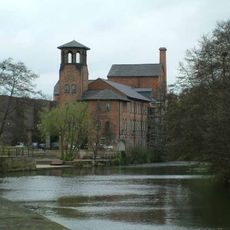
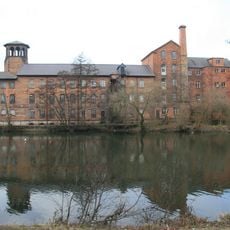
The establishment of the first water-powered silk mill in England here in 1717 marked the start of modern production methods in the country. During the 19th century, the town grew into a major railway hub, further cementing its role as a manufacturing center.
Residents gather regularly in riverside parks where markets and community events take place throughout the year, reflecting the town's practical and social character. Local pride centers on engineering and manufacturing traditions that remain visible in workshops, museums, and ongoing industries across the area.
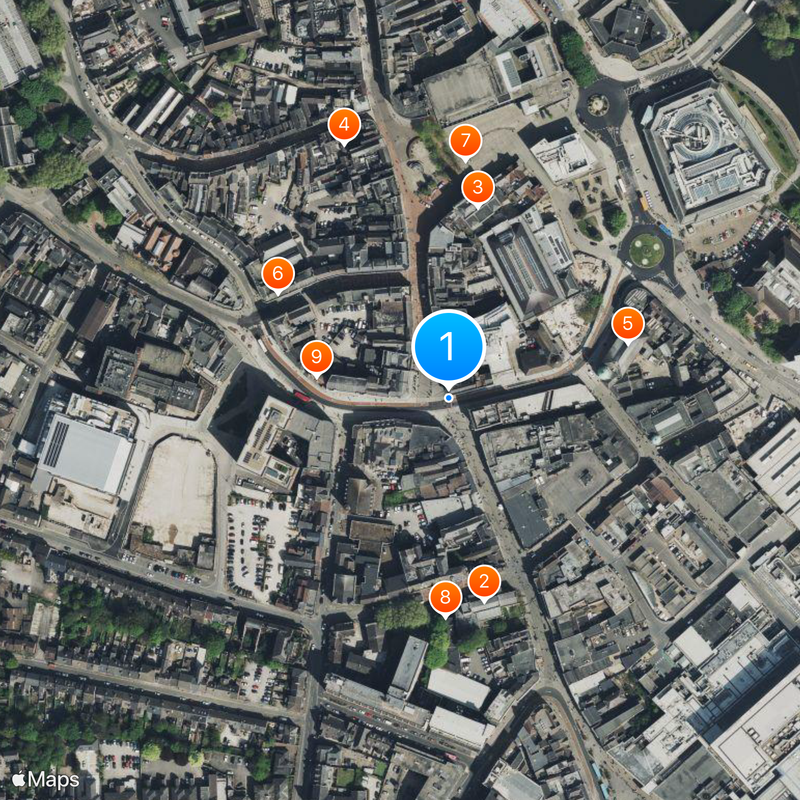
The central railway station connects directly to several major cities with regular train services running throughout the day. Most attractions in the town center lie within walking distance of one another, while outer areas can be reached using local buses.
The Museum of Making displays 300 years of manufacturing history in the building where industrialization began in England. Visitors can walk through the original factory floors and see machinery that documents the shift from handwork to machine production.
The community of curious travelers
AroundUs brings together thousands of curated places, local tips, and hidden gems, enriched daily by 92,359 contributors worldwide.