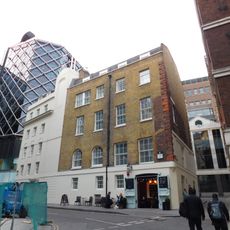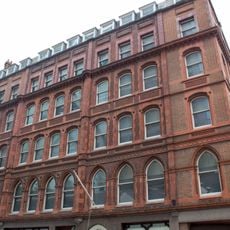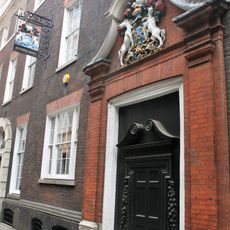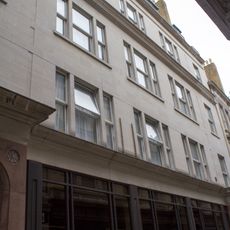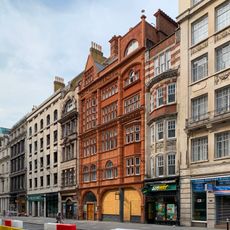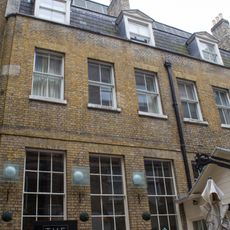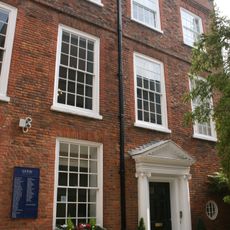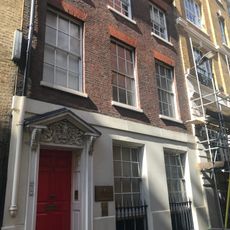
Steelyard, Medieval trading base in London, England
The Steelyard was a Hanseatic trading center with warehouses, offices, residential quarters, and a chapel on the Thames River's north bank near the Walbrook outflow. The complex managed wool and cloth exports while importing various goods through a network of warehouses connected to sea-going vessels.
The Hanseatic League established this trading post in 1320 and received extensive privileges from King Henry II to counter Flemish merchant competition. These concessions allowed German traders to maintain a dominant position in London's commerce for decades.
German merchants at this trading post commissioned notable portraits from Hans Holbein the Younger during the 1530s to document their commercial status. These works reveal how wealthy and influential these traders had become in London society.
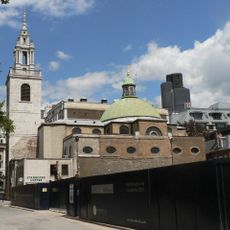
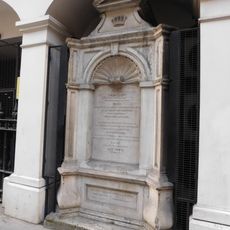
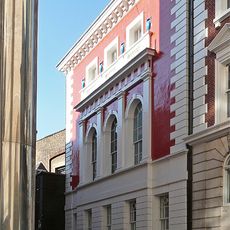
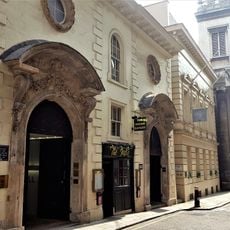
The location sat directly on the water, allowing quick access to ships for loading and unloading cargo. Today's visitors can explore the area around Cannon Street station, where remains of the complex were uncovered during renovation work.
The remains were uncovered by chance in 1988 during renovations at Cannon Street station, revealing well-preserved medieval commercial structures. These discoveries allowed archaeologists to piece together how daily operations and commerce actually functioned at this busy waterfront site.
The community of curious travelers
AroundUs brings together thousands of curated places, local tips, and hidden gems, enriched daily by 91,260 contributors worldwide.