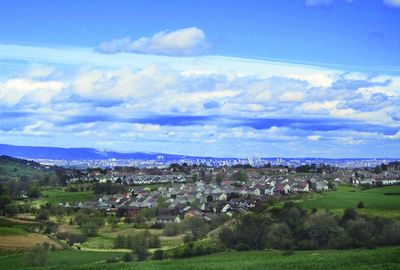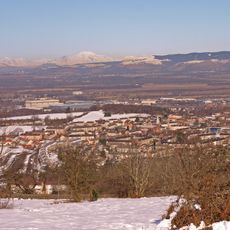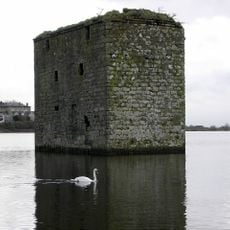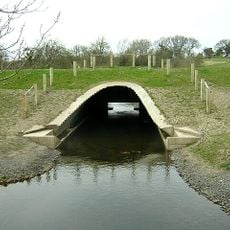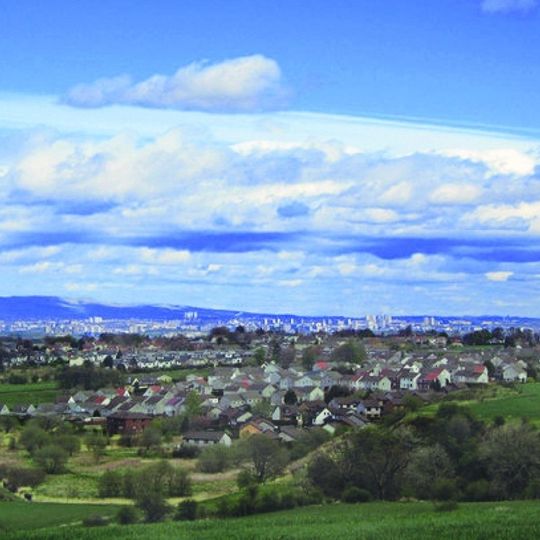
Neilston, village in East Renfrewshire, Scotland, UK
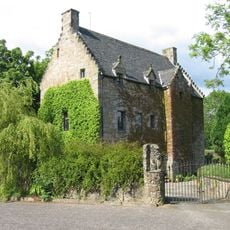
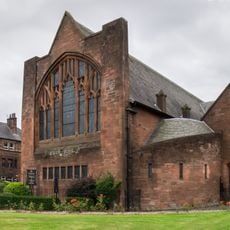
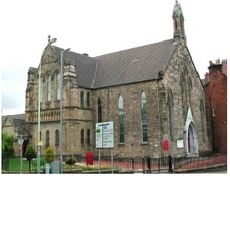
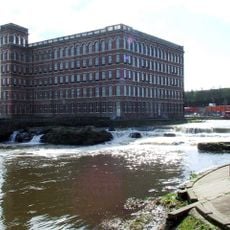
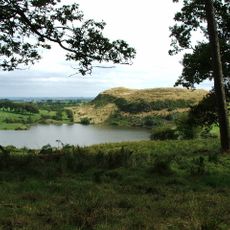
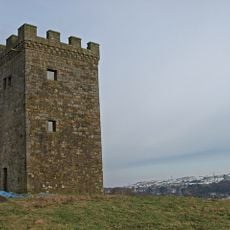
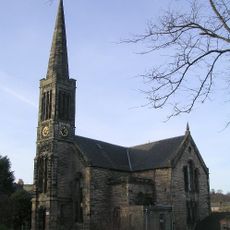
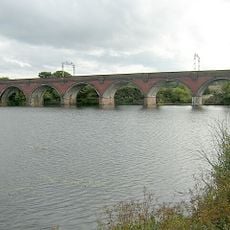
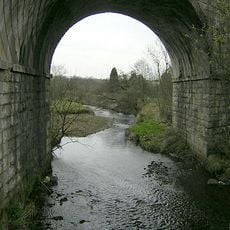
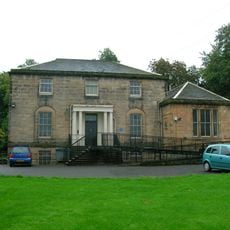
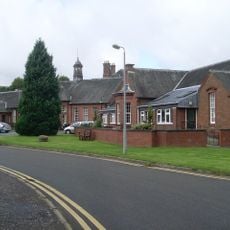
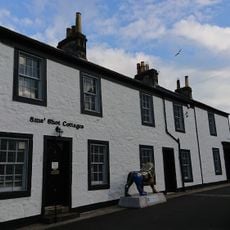
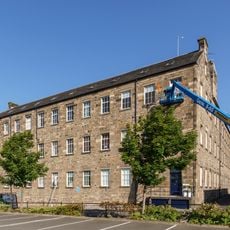
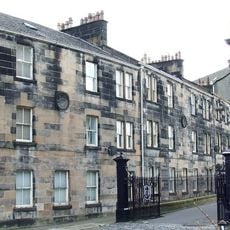
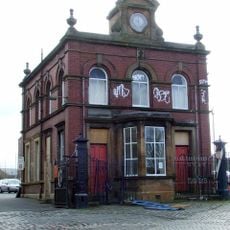
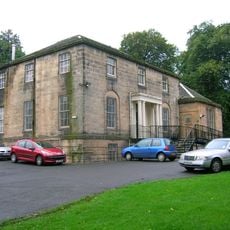
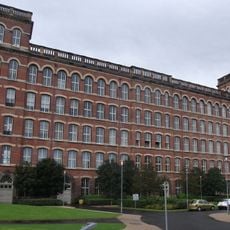
Neilston is a small village in East Renfrewshire situated along Levern Water, roughly 2 miles southwest of Barrhead. Historic buildings define the settlement, including Crofthead Mill built in 1891 and Neilston Parish Church dating back to 1163, which together trace the area's long history of habitation.
Neilston emerged in medieval times through royal land grants and began as an agricultural settlement with local trades. The textile industry shaped the village from the 1700s onward, with mills processing cotton until the final factory closed in 1992, marking the end of that economic era.
The name Neilston reflects early Scottish settlement patterns and land grants from the medieval period. Today the village maintains its community spirit through annual agricultural shows and the Pipe Band, keeping local traditions visible in everyday life.
The village sits roughly 2 kilometers southwest of Barrhead and is accessible by train from Glasgow with departures roughly every 30 minutes. Proximity to Barrhead and Glasgow lets visitors use local facilities like the library and leisure centre while reaching larger towns easily.
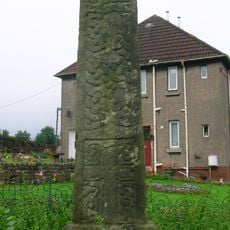
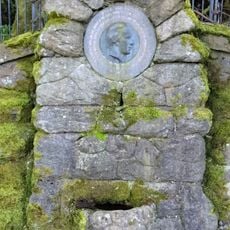
Engineer John Robertson from Neilston built the engine for the famous steamship Comet in 1811, a turning point in shipping history. A small memorial in the village honors his contribution and connects this quiet place to an important technological breakthrough.
The community of curious travelers
AroundUs brings together thousands of curated places, local tips, and hidden gems, enriched daily by 92,857 contributors worldwide.