Gower Street, street in Bloomsbury, London, England
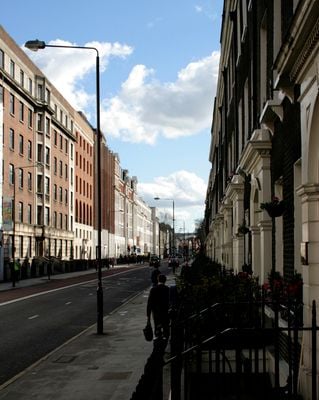
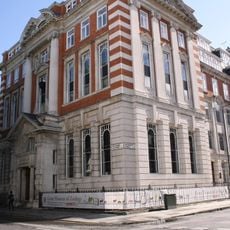
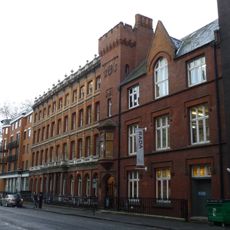
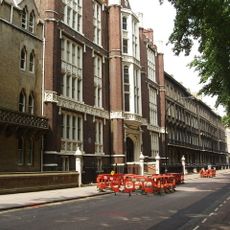
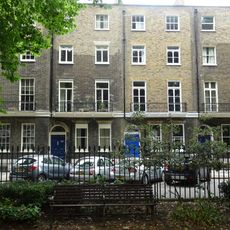
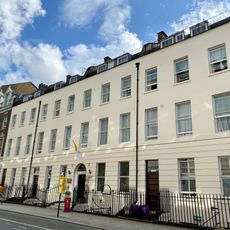
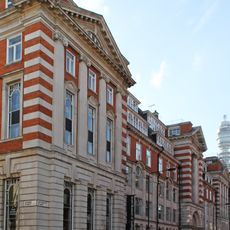
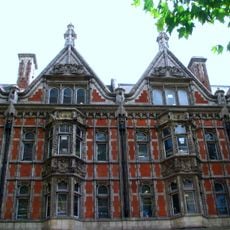
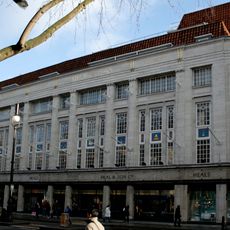
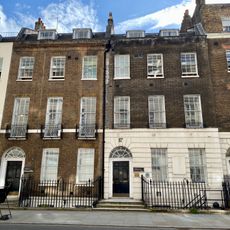
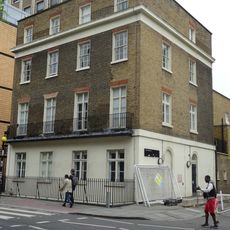
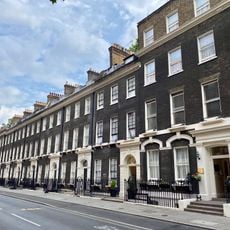
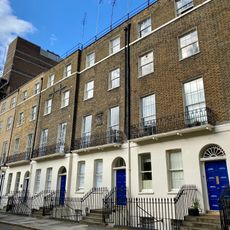
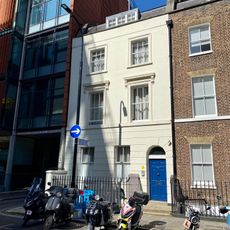
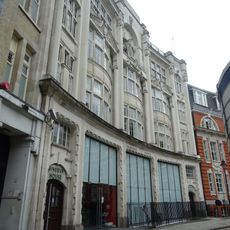
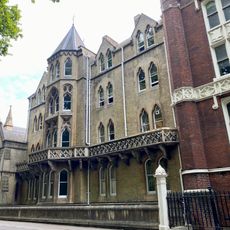
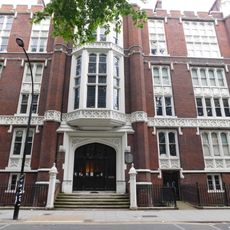
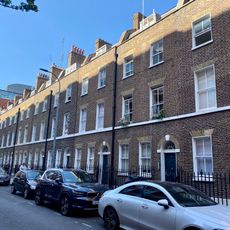
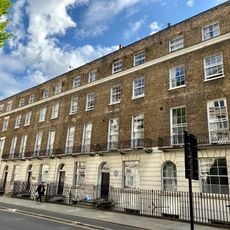
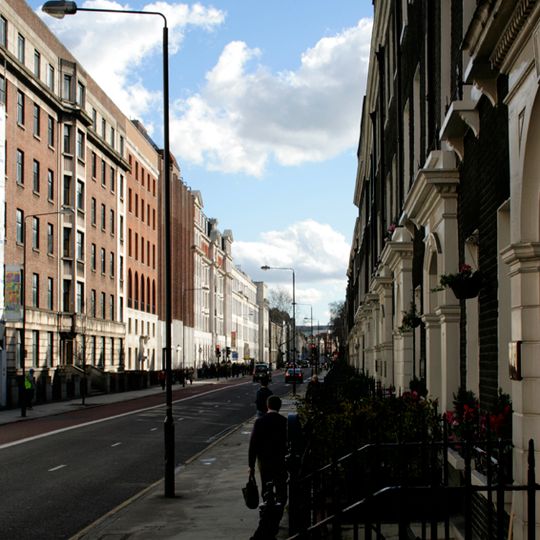
Gower Street is a main road running through Bloomsbury from Euston Road to Montague Place, lined with buildings spanning different periods and styles. The street hosts University College London and the Royal Academy of Dramatic Art, alongside Georgian townhouses that have been converted into student accommodations and hotels, with the bright red Cruciform Building standing out among the other structures.
The street was named after Lady Gertrude Leveson-Gower, who married a Bloomsbury landowner in the 1700s, with the original southern section later joined to the northern Upper Gower Street. It has hosted notable residents including Charles Darwin during his evolutionary research, though some buildings were damaged by bombing during the Second World War.
Gower Street is named after Lady Gertrude Leveson-Gower, who married a local landowner in the 1700s. Today the street serves as a hub for students and performers, with universities and drama schools creating a active scholarly and artistic atmosphere throughout the area.
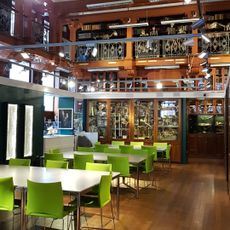
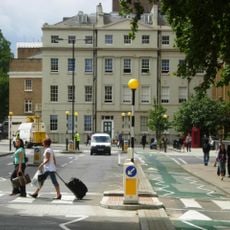
The street connects easily between two underground stations and is straightforward to navigate on foot, with clear entrances to university buildings and public spaces visible from the pavement. Cafes and shops line the way, making it practical for visitors to spend time exploring and taking breaks along the route.
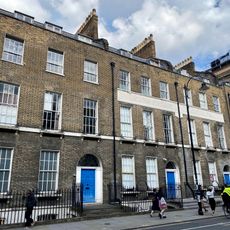
North Gower Street served as a filming location for the BBC series Sherlock, with a Georgian townhouse used as the exterior for Sherlock Holmes' famous address 221B Baker Street. This connection to popular culture draws fans regularly to see the filming location and the historic buildings surrounding it.
The community of curious travelers
AroundUs brings together thousands of curated places, local tips, and hidden gems, enriched daily by 60,000 contributors worldwide.