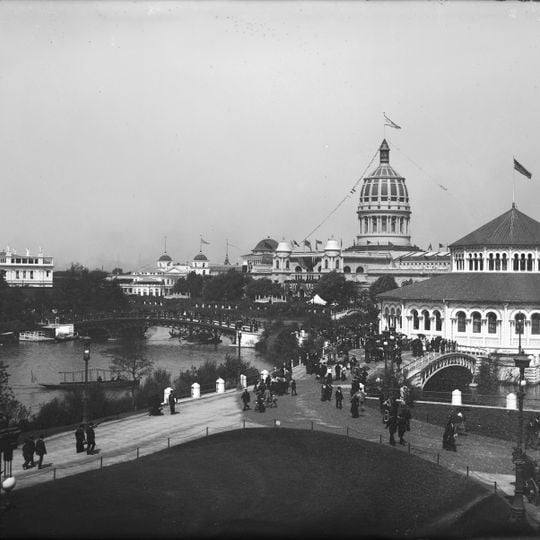
World's Columbian Exposition, World's Fair in the United States of America
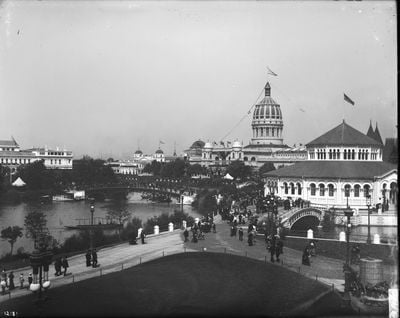
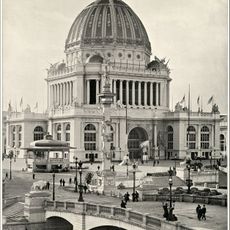
The 1893 World's Fair in Chicago was a major exposition that displayed achievements in industry, art, and technology. The grounds featured pavilions from different nations and provided visitors with an experience showcasing progress and innovation of that era.
The fair opened in 1893 and was timed to mark 400 years since Columbus arrived in the Americas. It became a turning point in World's Fair history and significantly shaped Chicago's urban development.
The fair shaped the City Beautiful movement, which promoted designing cities with orderly public spaces and classical architecture. This idea influenced how American architects and planners approached their work for generations afterward.
The fairgrounds sat along the lakefront and were organized with clear pathways for visitors to walk through. This walkable layout was relatively new for major exhibitions of that time.
The Ferris Wheel was an engineering sensation and was designed to outdo the Eiffel Tower from Paris. This rotating structure became the fair's signature attraction and proved America could match European engineering achievements.
The community of curious travelers
AroundUs brings together thousands of curated places, local tips, and hidden gems, enriched daily by 60,000 contributors worldwide.