Copper Country, Mining region in Upper Peninsula, Michigan, US.
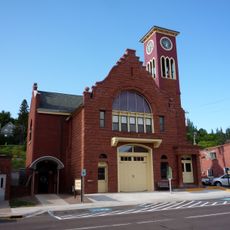
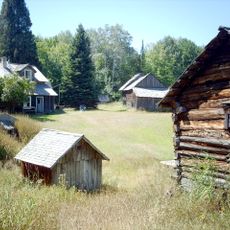
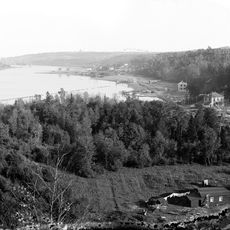
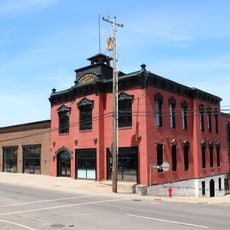
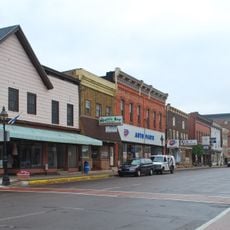
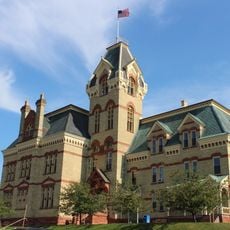
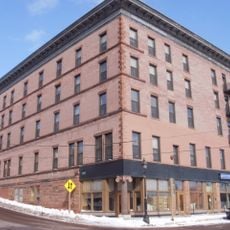
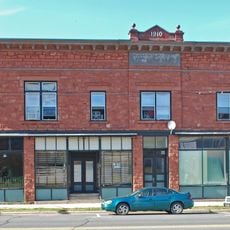
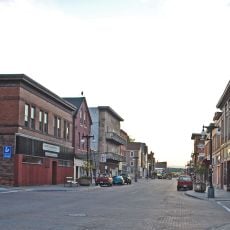
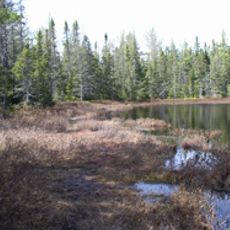
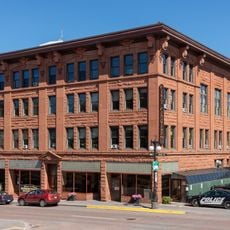
Copper Country is a geographic region in Michigan's Upper Peninsula spanning Keweenaw, Houghton, Baraga, and Ontonagon counties. The landscape features abandoned mine sites, historic industrial buildings, and forests that characterize the terrain throughout the area.
Commercial copper extraction began here in 1845, and the region became the world's largest copper producer by the late 1800s until the 1960s. The mining boom drew thousands of workers and their families, transforming the population and landscape dramatically.
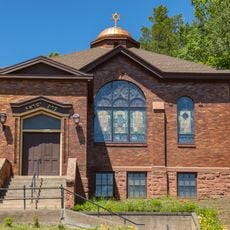
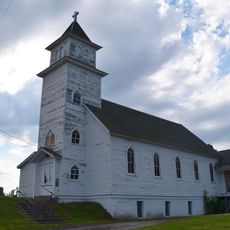
Finnish, Cornish, and other European immigrants left their mark through mining traditions, languages, and food that shape local celebrations and daily life today. You see this heritage in the churches, place names, and how communities gather together.
The Keweenaw National Historical Park preserves mining buildings, equipment, and exhibits that show how copper was extracted and how the region developed. Visitors can walk through the sites and understand the industrial history at their own pace.
Native Americans started mining copper here around 3000 BC from surface pits, making this one of North America's earliest mining locations. This ancient tradition continued when European miners arrived in the 1800s and brought advanced techniques.
The community of curious travelers
AroundUs brings together thousands of curated places, local tips, and hidden gems, enriched daily by 60,000 contributors worldwide.