Wabasha County, Administrative county in southeastern Minnesota, United States
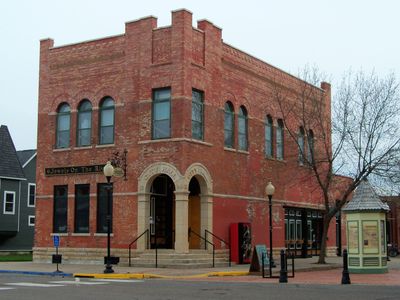
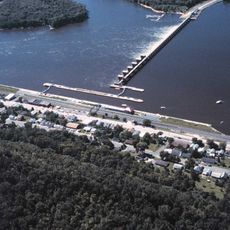
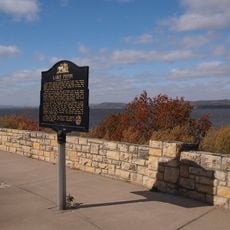
Wabasha County is an administrative division in southeastern Minnesota that stretches along the Mississippi River and is characterized by river valleys and tall bluffs. The landscape features natural formations along the waterway that shape the character of the region.
The county was established on October 27, 1849, and was named after Chief Wa-pa-shaw of the Sioux Nation, whose people used the region as a significant settlement area. The early connection to Native Americans remains an important part of the region's history.
The National Eagle Center in the county seat of Wabasha offers visitors programs and exhibits focused on bald eagle behavior and regional wildlife protection. The facility reflects how the community connects with the natural world around it.
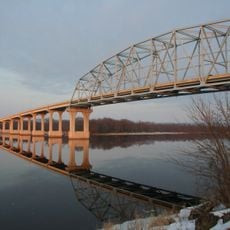
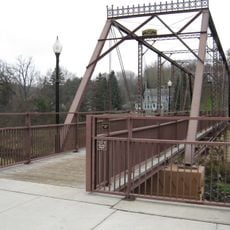
The area is connected to Wisconsin through multiple bridges that cross the Mississippi River, providing easy passage between the states. These crossings replaced the ferryboat systems that once transported people and goods across the water.
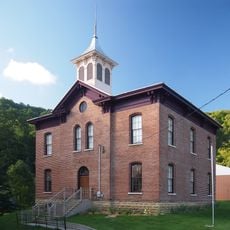
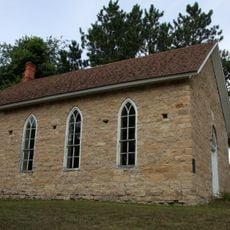
The Reads Landing School, built in 1870, now operates as a museum displaying classrooms frozen in time from the 1920s and 1930s. Visitors can step inside to see how students learned and studied roughly a century ago.
The community of curious travelers
AroundUs brings together thousands of curated places, local tips, and hidden gems, enriched daily by 90,829 contributors worldwide.