Minnesota, U.S. state in the Upper Midwest, USA
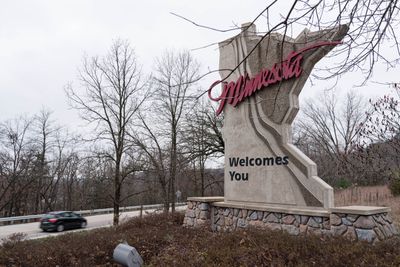
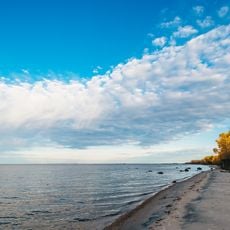
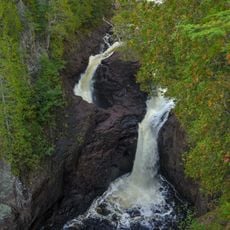
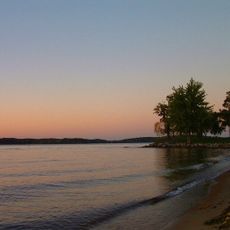
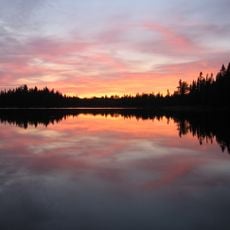
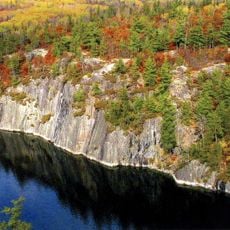
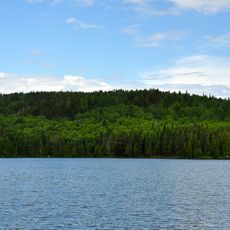
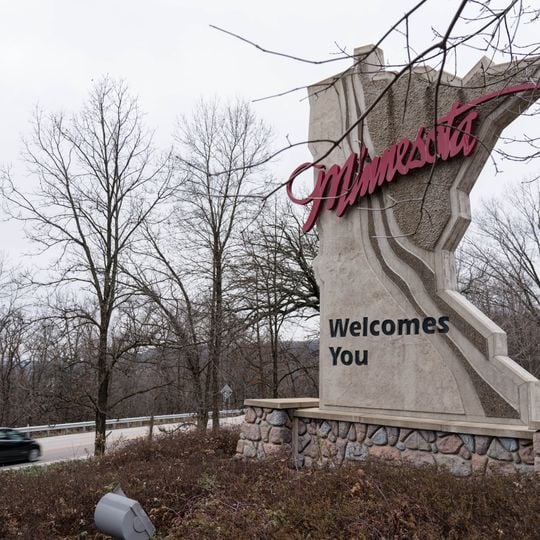
Minnesota covers about 87,000 square miles of territory that holds more than 14,000 lakes, thick forests across the north, and farmland spreading through the southern plains. The region borders Canada to the north, reaches Lake Superior in the east, and connects different landscapes from prairie grassland to pine woods.
Dakota and Ojibwe peoples lived in the territory long before it joined the Union as the 32nd state on May 11, 1858. Expansion brought conflict that changed the balance between communities and opened the region to European settlers.
Communities celebrate German and Scandinavian heritage through markets, bakeries, and festivals that draw on traditions brought by immigrants generations ago. In many towns, you can still hear accents, taste recipes, and see architecture that reflect these deep European roots.
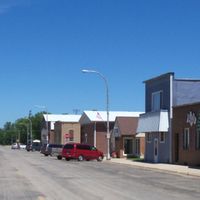
The Minneapolis-Saint Paul metro area concentrates most business services and transport connections, while rural zones often have fewer amenities. Winter conditions can affect travel significantly, especially in the north where snow is common from November through April.
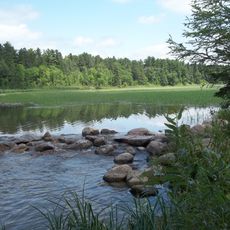
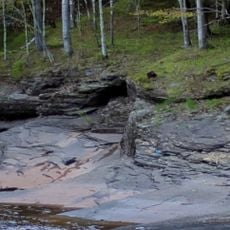
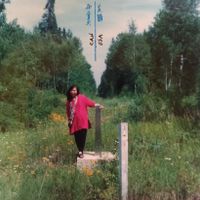
The Mississippi River begins at Lake Itasca in the north and travels roughly 2,340 miles (3,770 kilometers) from there to the Gulf of Mexico. This starting point lies in a quiet forest area where visitors can walk across the young river through shallow water.
The community of curious travelers
AroundUs brings together thousands of curated places, local tips, and hidden gems, enriched daily by 90,803 contributors worldwide.