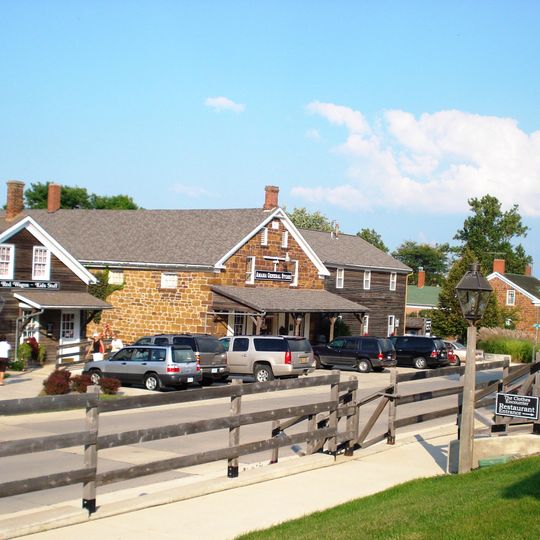
Amana Colonies, Historic German settlement in Iowa County, United States
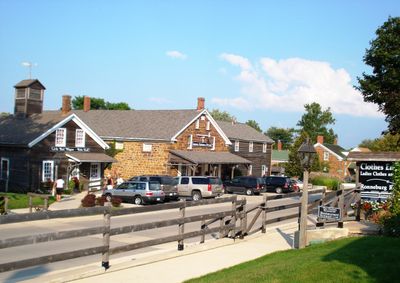
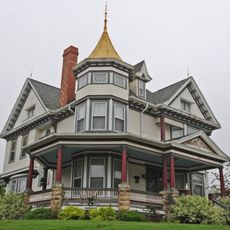
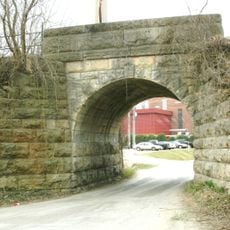
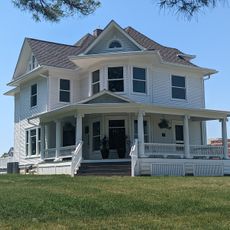
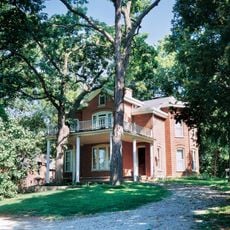
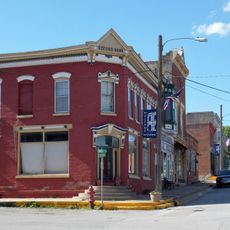
Amana Colonies consists of seven interconnected villages spread across roughly 26,000 acres (10,520 hectares) with traditional sandstone buildings, communal kitchens, and craft workshops reflecting German architectural designs. The settlements are connected by clearly marked roads that allow visitors to explore the different locations on foot or by car.
German Pietists founded this settlement in 1855 after relocating from Buffalo, New York, to create a self-sufficient community. The communal living structure remained intact until 1932, when residents transitioned to individual family households.
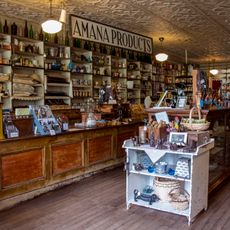
The villages preserve German traditions through specialized crafts including furniture making, basket weaving, wool processing, and wine production. Visitors can watch artisans at work and purchase handmade items in workshops throughout the settlements.
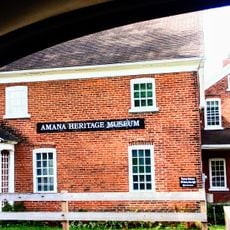
Visitors can explore numerous craft shops, restaurants serving traditional German cuisine, wineries, and museums distributed throughout the seven villages. Most locations are easily accessible on foot or by short car rides between settlements, allowing for independent exploration.
Each village retains its original communal kitchen buildings where residents once gathered three times daily for meals eaten in complete silence. These structures serve as physical reminders of the strict communal discipline that shaped daily life for generations.
The community of curious travelers
AroundUs brings together thousands of curated places, local tips, and hidden gems, enriched daily by 90,885 contributors worldwide.