Baldwin, village in Michigan, United States
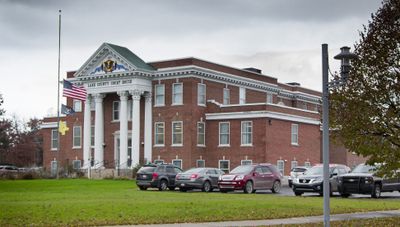
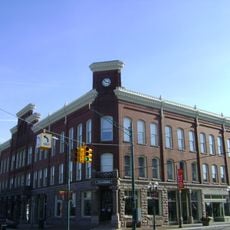
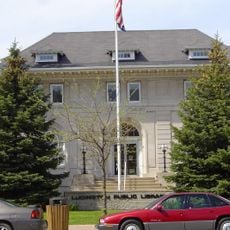
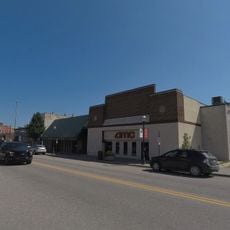
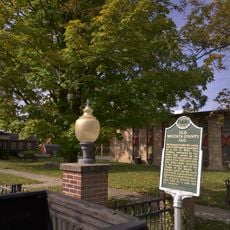
Baldwin is a small village in Lake County, Michigan, situated at the intersection of M-37 and US-10 near the Baldwin River. The community spans just over a square mile at an elevation of about 856 feet and features small businesses, residential neighborhoods, and local schools alongside access to parks and outdoor recreation areas.
Baldwin was established with a deep connection to fishing, particularly after April 11, 1884, when the first German Brown Trout were planted in the Baldwin River in the United States. This watershed moment established the area as a fishing destination and has shaped its identity as a fishing-centered community ever since.
Baldwin's name reflects its roots as a fishing community, and this heritage remains visible today through the prominent brown trout statue downtown and through local shops selling fishing gear and handcrafted items. The town's character is shaped by its residents' deep connection to the surrounding lakes and rivers.
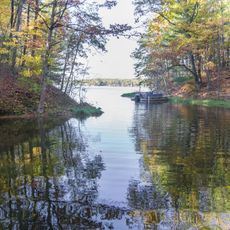
The village is easily reached via M-37 and US-10, with proximity to Manistee National Forest offering excellent camping and hiking opportunities. The area is most enjoyable during summer months when lakes and rivers are in their prime, while winters bring significant snow and require warm clothing for outdoor activities.
Baldwin is home to the world's largest brown trout statue, standing about 25 feet tall and prominently displayed downtown. This distinctive sculpture celebrates the town's fishing heritage and serves as an instantly recognizable landmark that draws visitors curious about the community's roots in angling.
The community of curious travelers
AroundUs brings together thousands of curated places, local tips, and hidden gems, enriched daily by 91,190 contributors worldwide.