Berlin, Industrial city in Coös County, New Hampshire.
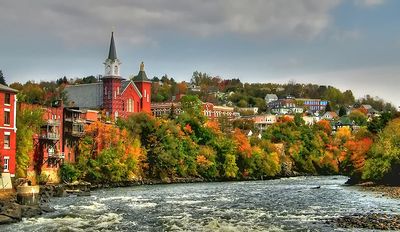
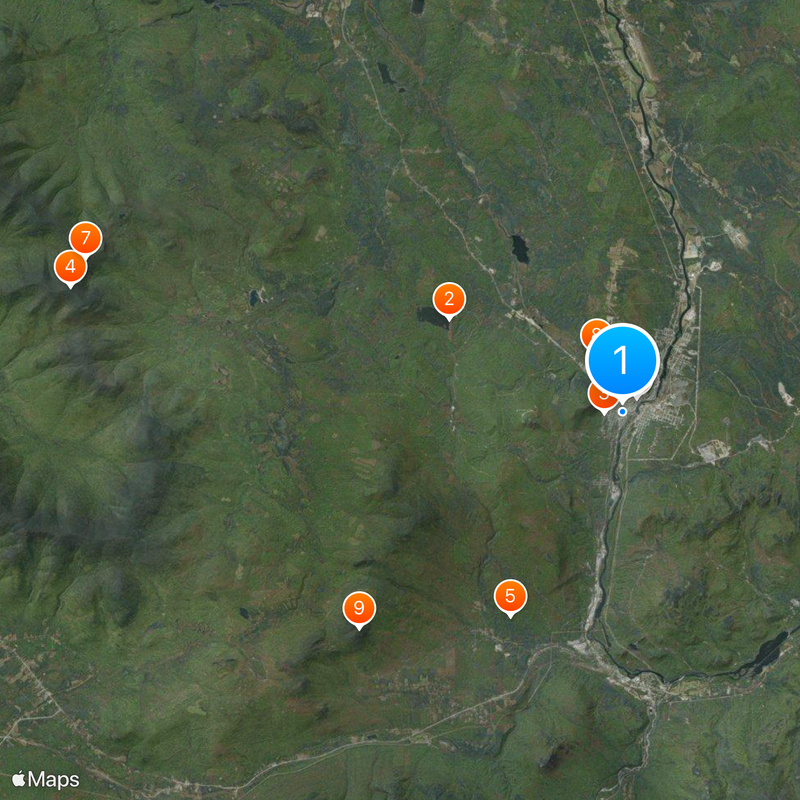
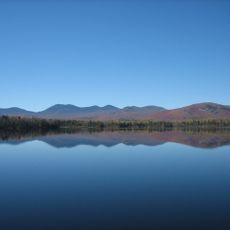
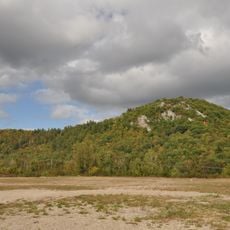
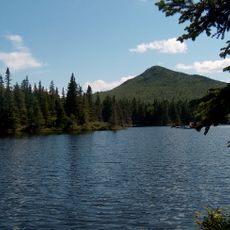
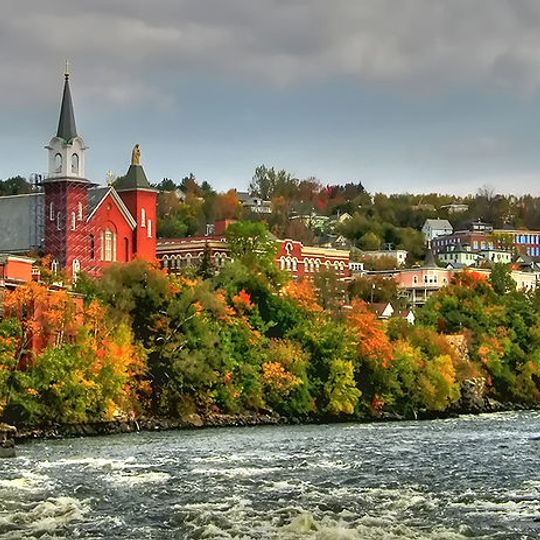
Berlin sits along the banks of the Androscoggin River at an elevation of 310 meters (1,020 feet) and borders the forests of the White Mountain National Forest in northern New Hampshire. The town spreads across several hills, with residential neighborhoods on both sides of the river and old brick industrial buildings shaping the center skyline.
The settlement was founded in 1829 under the name Maynesborough and grew into one of the largest paper manufacturing centers in North America during the late 19th century. The mills along the river produced pulp and paper well into the second half of the 20th century before industrial decline led to the loss of many jobs.
Residents still speak a Franco-Canadian dialect that differs from standard French, reflecting the community's long connection to Quebec just across the border. About two-thirds of the inhabitants have French roots, which shows in family names, local expressions, and the way street names are pronounced.
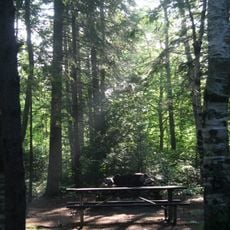
New Hampshire Routes 16 and 110 run through the town center and connect to several hiking trails and ATV routes in the surrounding forests. Most paths are open from spring through autumn, while winter brings snowmobile trails through the region.
During World War I, residents changed the pronunciation of their town's name from Ber-LIN to BUR-lin to distance themselves from the German capital. This Americanized stress has remained in use ever since, even though the original reason has long been forgotten.
The community of curious travelers
AroundUs brings together thousands of curated places, local tips, and hidden gems, enriched daily by 92,348 contributors worldwide.