Keystone Corridor, railway line
The Keystone Corridor is a 353-mile railroad route that connects Pittsburgh with Philadelphia, running across Pennsylvania. The line carries both passenger and freight trains, with Norfolk Southern operating the western section and Amtrak managing the eastern portion from Harrisburg to Philadelphia.
The corridor was built starting in the 1830s and 1850s by the Pennsylvania Railroad to support growing industries like coal and iron. The eastern section was electrified in the 1930s, allowing for faster and cleaner train operation.
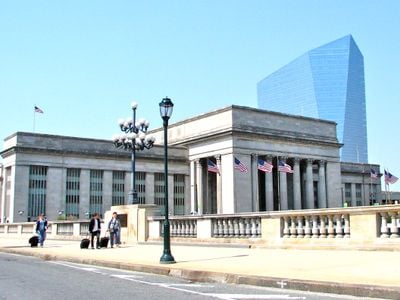
The corridor links major cities with smaller towns along a route that shapes how people and goods move through Pennsylvania. Train stations serve as gathering points where communities connect to larger networks, supporting local economic activity and social exchange.
The corridor travels through varying elevations and curves, notably the famous Horseshoe Curve near Altoona that helps trains navigate mountains. Visitors should know that passenger and freight services share portions of the route and schedules may vary depending on the time of day.
The famous Horseshoe Curve near Altoona is an engineering solution over 150 years old that allows trains to climb steep mountain grades without reversing direction. This distinctive curve remains a striking feature of the route and demonstrates the ingenuity of early railroad planners.
The community of curious travelers
AroundUs brings together thousands of curated places, local tips, and hidden gems, enriched daily by 92,354 contributors worldwide.