Pennsylvania, U.S. state in the Mid-Atlantic region, United States
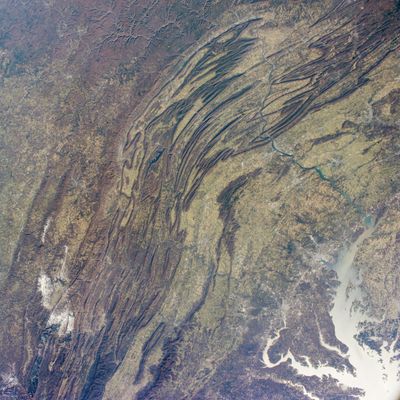
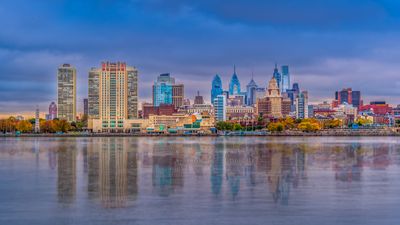
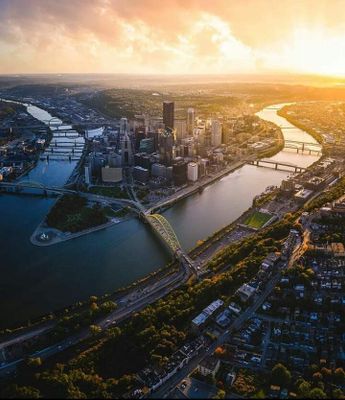
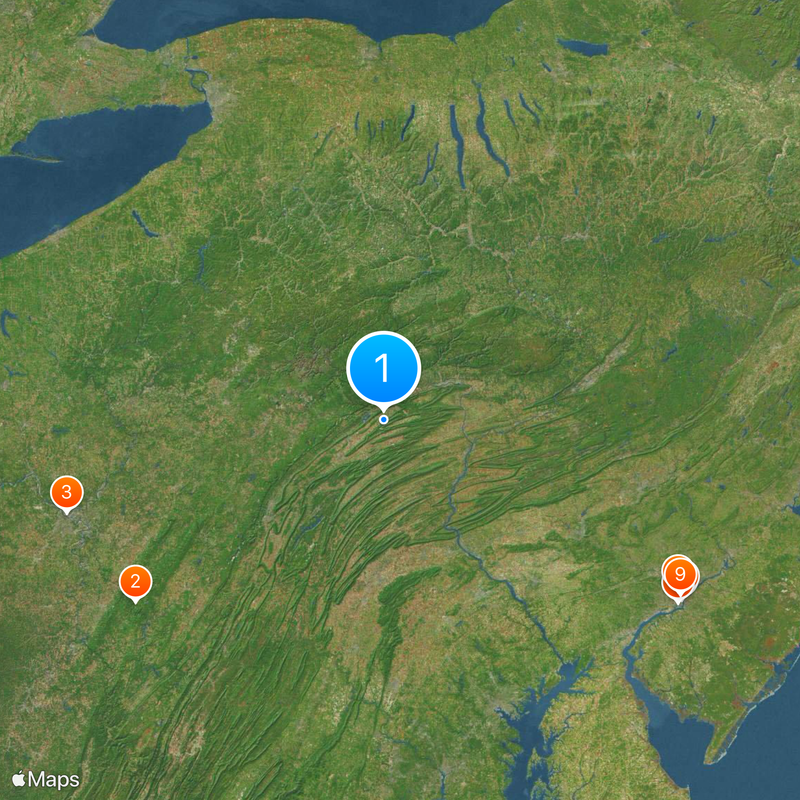
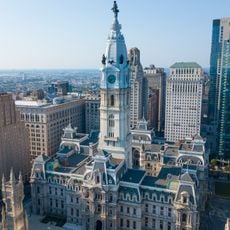
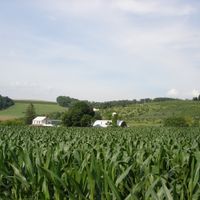
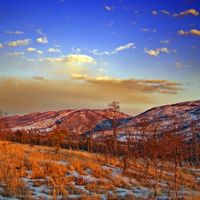
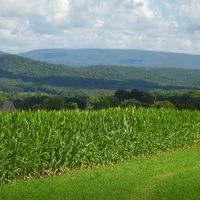
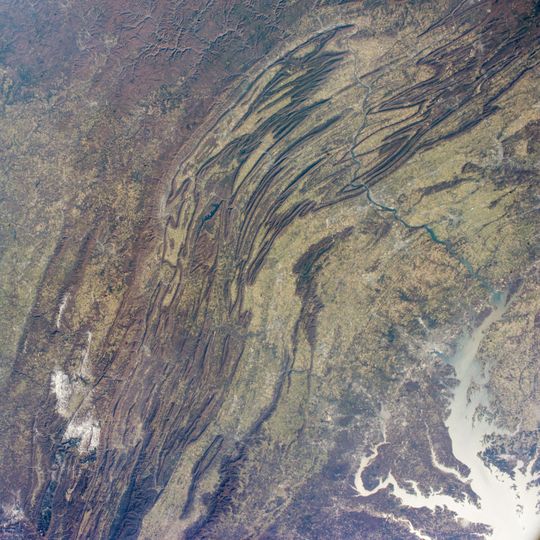
The state spans 46,000 square miles (119,000 square kilometers) between the Great Lakes and the Atlantic coastal plain, with the Allegheny Plateau and Appalachian ranges shaping its central topography. Philadelphia in the southeast and Pittsburgh in the west anchor a predominantly forested and agricultural territory.
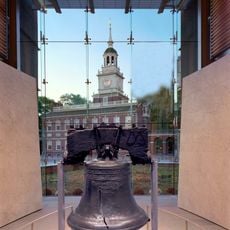
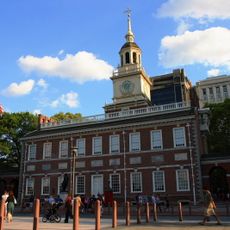
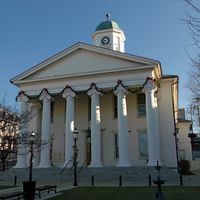
William Penn received a land grant from English King Charles II in 1681 and established the colony as a refuge for religious minorities. The Declaration of Independence was signed in Philadelphia in 1776, and the Constitutional Convention met there in 1787. The Civil War reached the territory in 1863 at Gettysburg, site of a decisive battle.
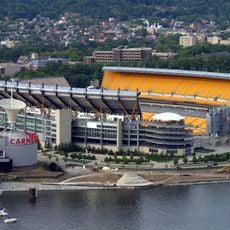
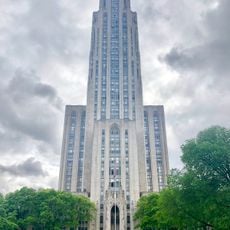
Amish and Pennsylvania Dutch communities in Lancaster County preserve 18th-century German traditions, attracting millions of annual visitors who come to learn about their crafts, farming methods and religious practices. Pittsburgh transformed from a steel manufacturing powerhouse into a center for medicine, technology and higher education.
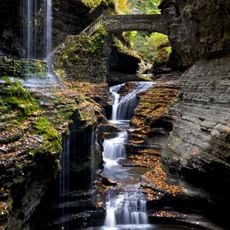
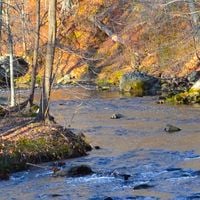
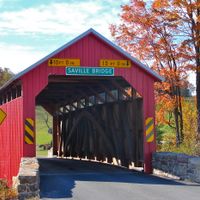
The best time for outdoor activities runs from May through October, with autumn offering spectacular foliage displays in mountain regions. Three international airports in Philadelphia, Pittsburgh and Harrisburg provide access, while Amtrak trains connect major cities. Most state parks charge no admission but require parking fees ranging from four to ten dollars.
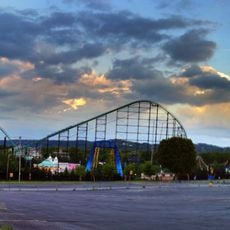
The town of Hershey produces 70 million pieces of chocolate daily at its factories and transforms the entire downtown area into a winter wonderland with millions of lights during Christmas season. Street lamps are shaped like Hershey Kisses and street names include Chocolate Avenue and Cocoa Avenue.
The community of curious travelers
AroundUs brings together thousands of curated places, local tips, and hidden gems, enriched daily by 60,000 contributors worldwide.