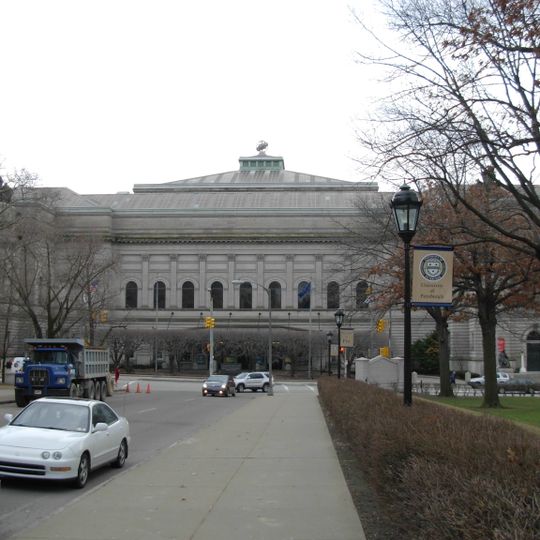
Carnegie Museum of Natural History, Science museum in Oakland district, Pittsburgh, United States.
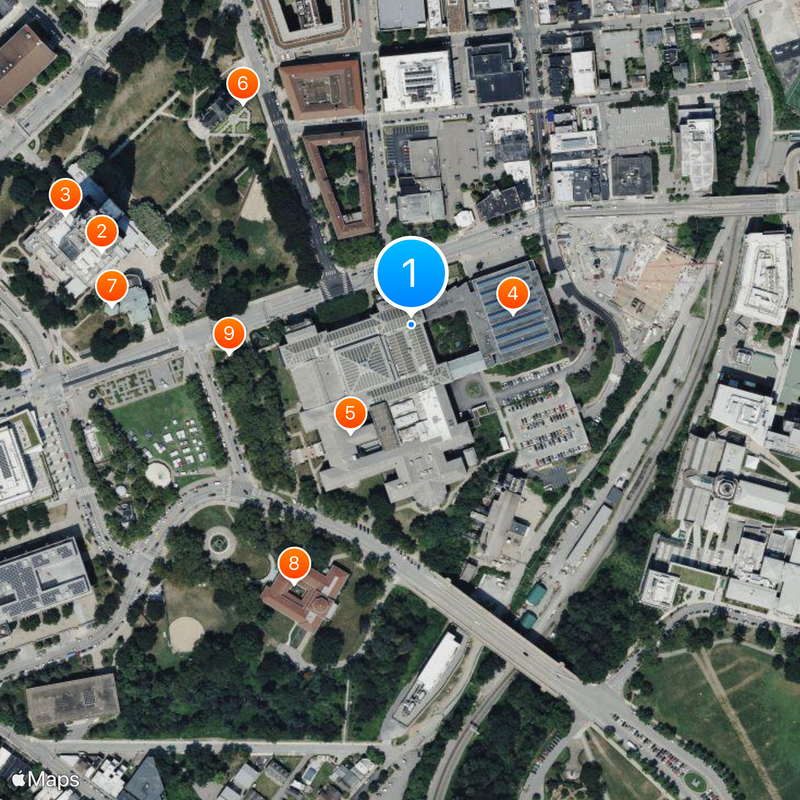
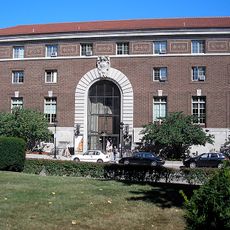
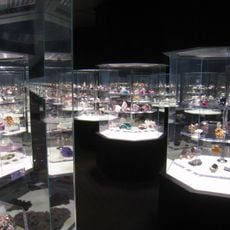
The Carnegie Museum of Natural History is a research-focused institution in the Oakland neighborhood of Pittsburgh. Its galleries display fossils, minerals, animal specimens from around the world, and artifacts documenting human cultural development across multiple exhibition spaces and study areas.
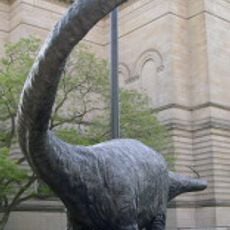
Andrew Carnegie established the institution in 1896 as part of his cultural endowment program for Pittsburgh. Shortly afterward, in 1899, the collection gained worldwide attention through the discovery of Diplodocus carnegii, one of the most complete dinosaur skeletons of its time.
Scientists at the museum contribute to global research through publications including Annals of Carnegie Museum and Special Publications covering biology and anthropology.
The institution sits in Oakland, within walking distance of the University of Pittsburgh campus. Most exhibition halls are on ground level or accessible by elevator, making it easy for wheelchair users to visit the collections.
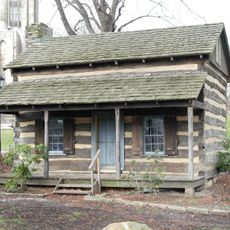
Powdermill Nature Reserve in the mountains southeast of Pittsburgh serves as the field research station for this institution. Scientists there operate one of the oldest continuously running bird banding stations in North America, documenting migratory birds for decades.
The community of curious travelers
AroundUs brings together thousands of curated places, local tips, and hidden gems, enriched daily by 92,502 contributors worldwide.