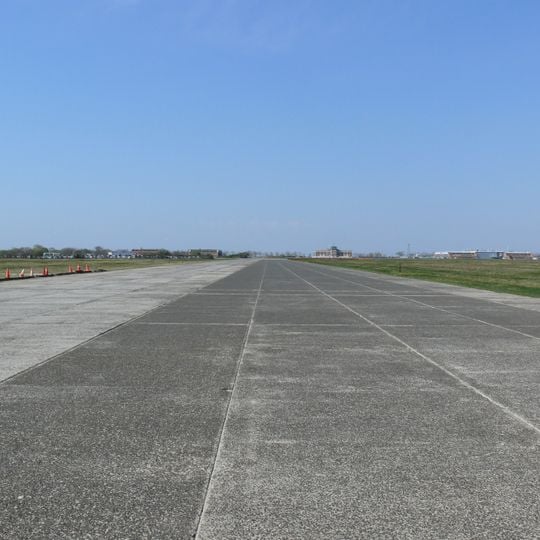
Floyd Bennett Field, Historic municipal airport and heritage site in Marine Park, Brooklyn, United States.
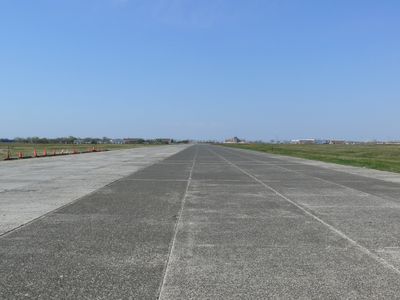
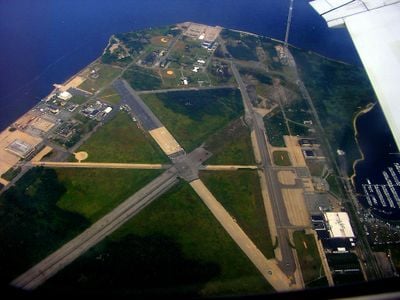
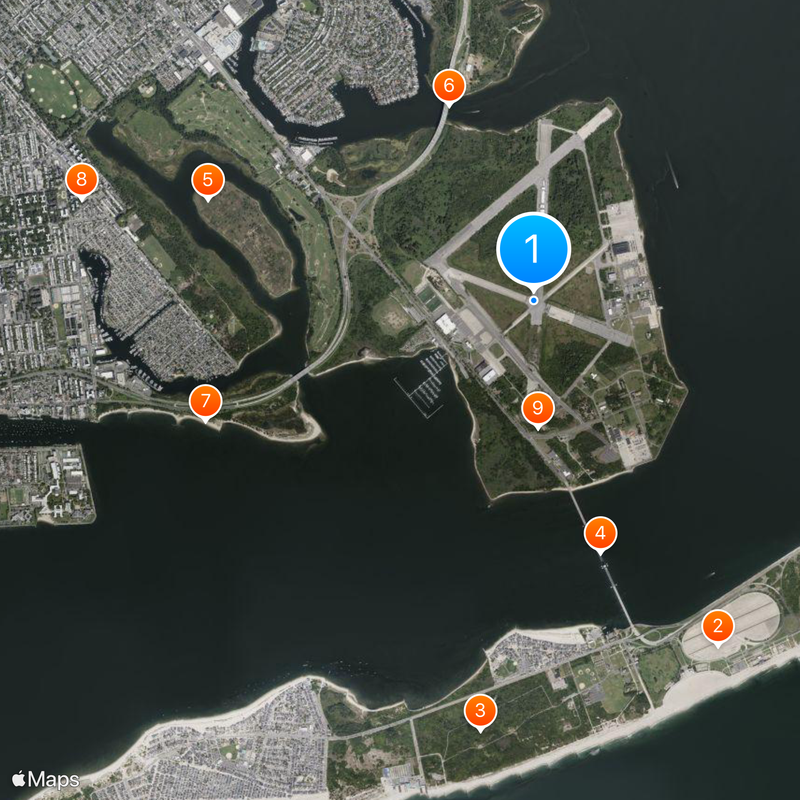
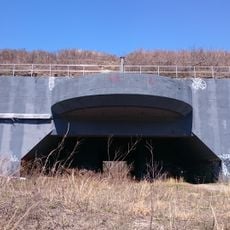
The site covers roughly 1,360 acres of flat coastal land and includes eight original hangars from the early years, as well as a control tower that now serves as a visitor center. The runways and buildings remain in place, offering a sense of how a municipal airfield was laid out before modern aviation transformed air travel.
The site opened in 1931 as the first municipal airport serving New York City and became the nation's largest naval air station during World War II. After the war ended, the facility closed and later passed into the hands of the national park system.
The former airfield takes its name from a U.S. Navy pilot who vanished over the Arctic in 1928, turning him into a legend of early aviation. The visitor center displays artifacts related to naval flight operations and recalls record-breaking flights that departed from this site.
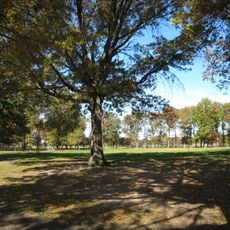
The area is reachable by public transport, and several trails wind through the open grounds, which are suitable for cycling and camping activities. Visitors planning to explore should allow time for a longer stay, as the paths cover long distances and the space between buildings can be considerable.
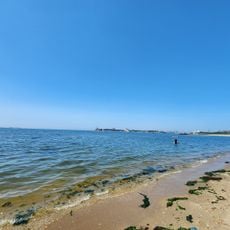
Several transatlantic flights launched from these runways, including Howard Hughes's round-the-world journey in 1938, completed in less than four days. Today the site also serves as a nature reserve where migratory birds rest during their passage along the Atlantic coast.
The community of curious travelers
AroundUs brings together thousands of curated places, local tips, and hidden gems, enriched daily by 90,900 contributors worldwide.