Brooklyn, Borough in New York City, United States
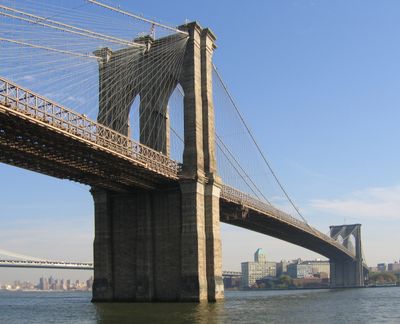
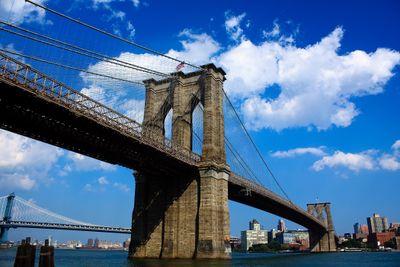
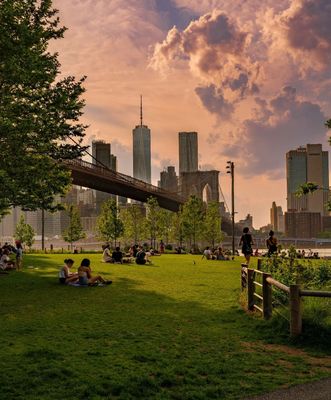
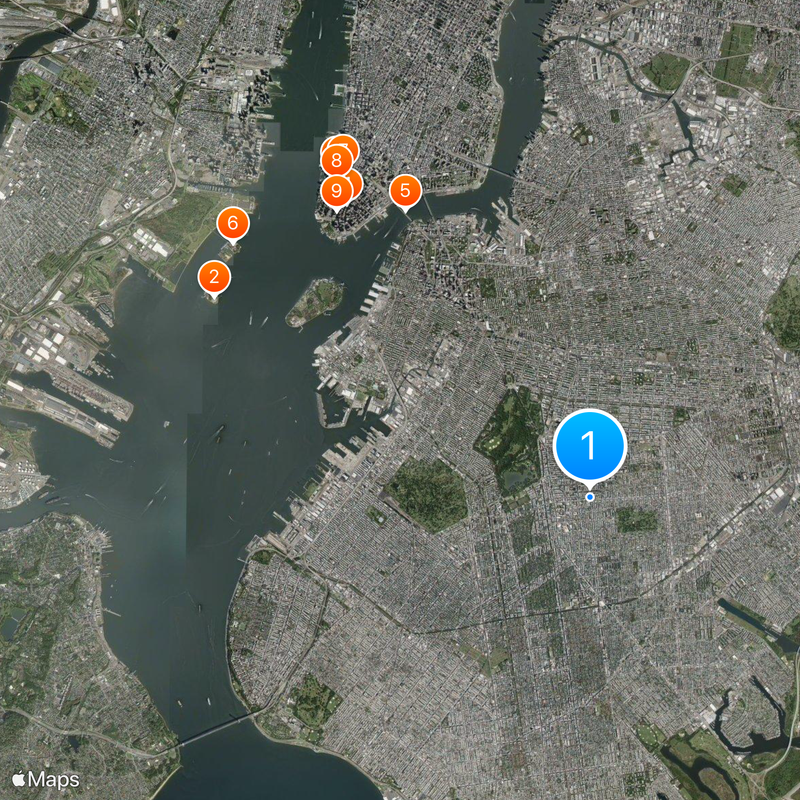
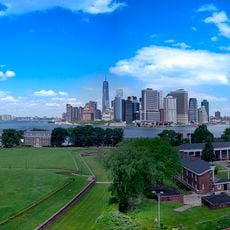
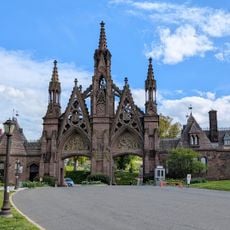
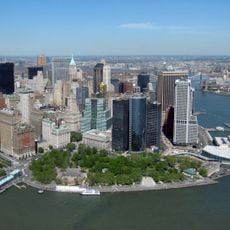
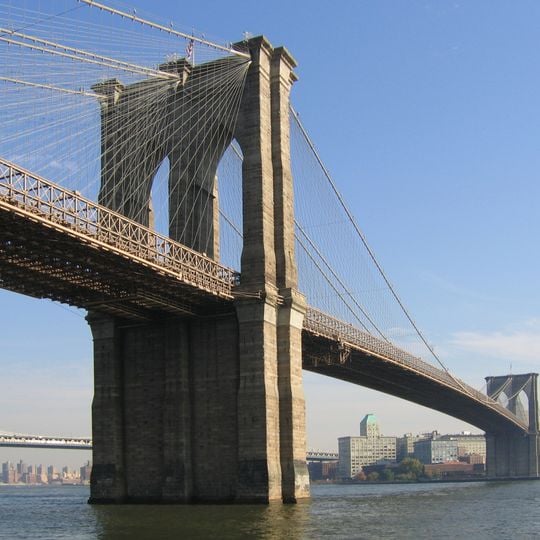
The borough extends across 97 square miles (251 square kilometers) along the western tip of Long Island, encompassing residential neighborhoods featuring brownstone rowhouses alongside modern apartment towers. Prospect Park covers 2.1 square miles (526 acres) with woodlands and meadows, while Greenwood Cemetery occupies 1.9 square miles (478 acres). The street grid follows a rectangular pattern with numbered streets extending eastward. The waterfront runs along the East River, providing views toward Lower Manhattan.
Dutch settlers established the first European settlement in 1634, naming it Breukelen after a municipality in the Netherlands. The British took control in 1664 and anglicized the name. During the American Revolution, the Battle of Long Island occurred here in 1776, marking the largest field battle of the war. The City of Brooklyn incorporated in 1834 and grew rapidly through immigration. The borough merged with New York City in 1898, becoming one of the five boroughs.
Brooklyn functions as a cultural powerhouse, home to more than 2.6 million people from diverse ethnic backgrounds. The Brooklyn Museum houses a collection of 1.5 million artworks, including Egyptian artifacts, European paintings and contemporary installations by international artists. Williamsburg and Bushwick attract musicians, writers and visual artists, while Coney Island has served for generations as a recreational district for New Yorkers. Theaters, independent cinemas and galleries shape the cultural life of these communities.
The transportation network includes 170 subway stations, connecting residents to Manhattan through 11 different train lines that operate around the clock. Buses supplement the system, covering routes not served by trains. Bike lanes run along many main streets, and bike rental services are widespread. The best time to visit is spring or fall, when temperatures range between 50 and 68 degrees Fahrenheit (10 to 20 degrees Celsius). Accommodations cost less than in Manhattan, especially in neighborhoods like Williamsburg and Park Slope.
The Gowanus Canal, running through the central portion, contains microorganisms that scientists discovered can break down environmental pollutants naturally. This finding emerged during studies to remediate the heavily contaminated waterway. The Brooklyn Academy of Music, founded in 1861, stands as the oldest continuously operating performing arts organization in the United States. The borough produces over 60,000 tons of compostable material annually through municipal composting programs.
The community of curious travelers
AroundUs brings together thousands of curated places, local tips, and hidden gems, enriched daily by 90,757 contributors worldwide.