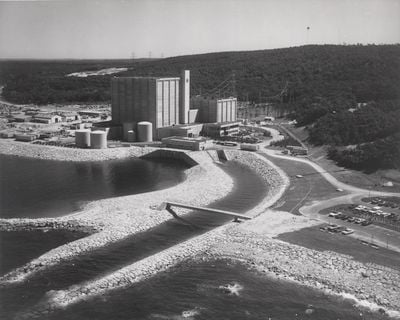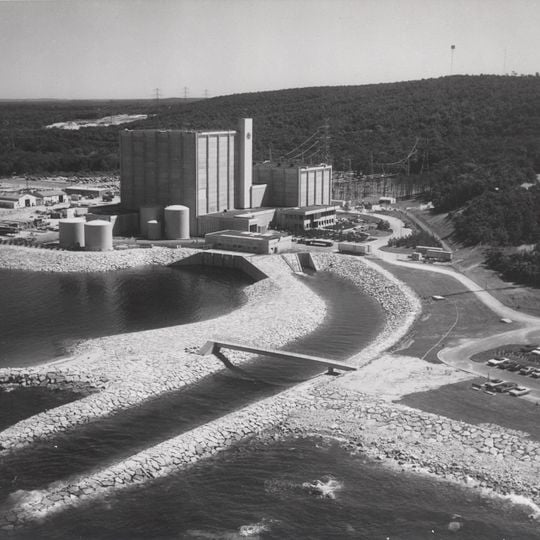
Pilgrim Nuclear Generating Station, nuclear power plant
The Pilgrim facility is a decommissioned nuclear power plant on the coast of Massachusetts, south of Plymouth. The site includes a large reactor building that now stands empty, along with storage pools for spent fuel that remain in use.
The facility was built in the late 1960s and began operations in 1972. It was sold to a company from Louisiana in 1999 and stopped producing electricity in 2019 after 47 years of operation.
The name Pilgrim comes from the early English settlers who landed nearby centuries ago. The plant stands along a bay where water was once drawn for cooling, and small sea creatures sometimes found their way into the pipes.
The site is not open to visitors as decommissioning work continues and security measures remain in place. You can view the buildings from a distance on public roads and beach areas nearby.
During a hot summer in 2013, the plant had to reduce its power output because the cooling water from the bay became too warm. A storm in 2015 caused an unexpected shutdown, highlighting the fragility of such facilities.
Location: Massachusetts
Website: http://pilgrimpower.com
GPS coordinates: 41.94500,-70.57830
Latest update: December 5, 2025 09:56
This collection brings together nuclear power plants that have shaped the history of civilian nuclear energy. Some experienced accidents that changed the world’s view of nuclear energy. Chernobyl in Ukraine remains a symbol of the 1986 disaster, while Fukushima in Japan showed the risks of natural events. Three Mile Island in Pennsylvania paused the building of new reactors in the US for many years. Other sites are among the largest in the world, like Kashiwazaki-Kariwa in Japan or Bruce in Canada. Many places are facing challenges today, such as the Zaporijia plant in Ukraine. The collection also includes projects that tried to push the technical limits of this energy. Superphénix in France and Monju in Japan explored new types of reactors, with mixed results. Some facilities, like Bataan in the Philippines, were never operational despite being fully built. Others, like Oyster Creek or Tokai, helped start nuclear work in their countries. From Siberia to the United Arab Emirates, from Canada to India, these sites tell stories about energy choices, technical progress, failures, and questions that have surrounded this source of power for more than sixty years.
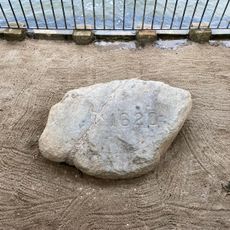
Plymouth Rock
7.1 km
National Monument to the Forefathers
8.3 km
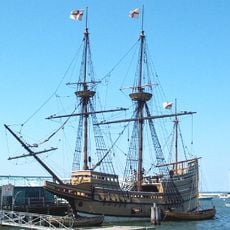
Mayflower II
7.1 km
Burial Hill
7.4 km
Plimoth Patuxet
4 km
Cole's Hill
7.1 km
Pilgrim Hall Museum
7.6 km
Richard Sparrow House
7.3 km
Clark's Island
8.6 km
Pilgrim Memorial State Park
7.1 km
Jabez Howland House
7.1 km
Plimoth Patuxet Museums
4 km
Harlow Old Fort House
6.6 km
Mayflower House Museum
7.2 km
Plymouth Light
6.8 km
Jenney Grist Mill
7.3 km
Duxbury Pier Light
7.5 km
Priscilla Beach Theatre
1.7 km
Holmes Reservation
8.7 km
Plymouth Village Historic District
7.2 km
Sgt. William Harlow Family Homestead
6.3 km
Plymouth Antiquarian House
7.6 km
Memorial Hall
7.7 km
Plymouth Post Office Building
7.2 km
Clifford-Warren House
3.3 km
Bethel African Methodist Episcopal Church and Parsonage
7.6 km
Hillside
8.4 km
Bartlett-Russell-Hedge House
7.5 kmReviews
Visited this place? Tap the stars to rate it and share your experience / photos with the community! Try now! You can cancel it anytime.
Discover hidden gems everywhere you go!
From secret cafés to breathtaking viewpoints, skip the crowded tourist spots and find places that match your style. Our app makes it easy with voice search, smart filtering, route optimization, and insider tips from travelers worldwide. Download now for the complete mobile experience.

A unique approach to discovering new places❞
— Le Figaro
All the places worth exploring❞
— France Info
A tailor-made excursion in just a few clicks❞
— 20 Minutes