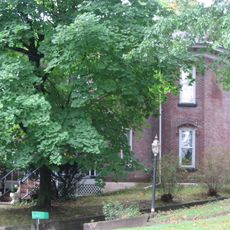
Meadowcroft Rockshelter, Archaeological site in Jefferson Township, Pennsylvania, US
Meadowcroft Rockshelter is a rock shelter in a bluff overlooking Cross Creek near Avella in Jefferson Township, Pennsylvania, about 27 miles west-southwest of Pittsburgh. It lies beneath an overhanging cliff of brown Morgantown-Connellsville sandstone, a thick Pennsylvanian-age formation on the Allegheny Plateau. Excavations reached remains as deep as 11.5 feet below the surface.
Systematic excavations began in 1973 and uncovered traces of human presence far earlier than the known Clovis cultures. These findings changed the understanding of how the American continent was settled and sparked ongoing debate among researchers.
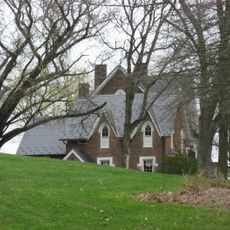
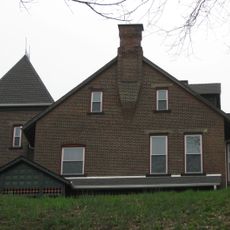
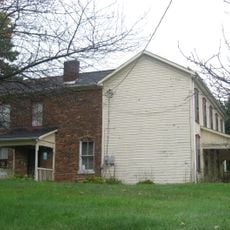
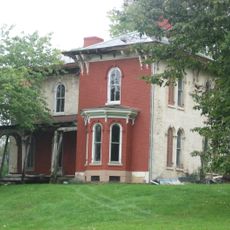
The site is run as a division of the Heinz History Center, and next to the rockshelter stands a reconstruction of a Monongahela culture village of about the 1570s. The name comes from the Meadowcroft family farm where Albert Miller found artifacts in a groundhog burrow in 1955. Visitors can see the excavation areas and the sandstone overhang.
The visit takes place from a covered platform that provides direct views of the exposed excavation zones. Access is straightforward for most visitors, and interpretive panels explain the visible layers and artifacts.
The dry shelter preserved the largest collection of plant and animal remains recovered from any site in eastern North America, including animal remains representing 149 species. Excavators also found flint from Ohio, jasper from eastern Pennsylvania and marine shells from the Atlantic coast, showing that the shelter's occupants took part in long-distance trade.
The community of curious travelers
AroundUs brings together thousands of curated places, local tips, and hidden gems, enriched daily by 94,700 contributors worldwide.