Yale Babylonian Collection, Mesopotamian artifacts collection at Sterling Memorial Library, New Haven, US
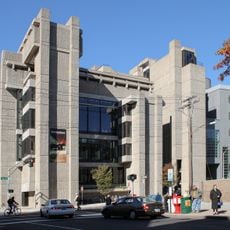
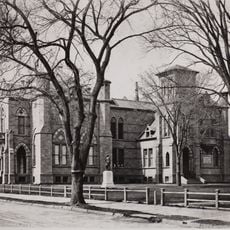
The Yale Babylonian Collection is a large repository of objects from ancient Mesopotamia, held at Sterling Memorial Library in New Haven, Connecticut. The holdings cover a wide range of artifact types, from cuneiform tablets and cylinder seals to everyday documents and literary texts from Sumerian, Akkadian, and Babylonian civilizations.
The collection was founded in 1911, when financier J.P. Morgan helped acquire a significant group of Mesopotamian objects for Yale University. Over the following decades the holdings grew steadily, and in 2017 the collection moved to the Division of Anthropology at the Yale Peabody Museum.
The collection holds cuneiform tablets that recorded everything from grain transactions to poetry, giving a direct window into daily life in ancient Mesopotamia. Some tablets were written by named individuals, which makes the connection to the ancient world feel surprisingly personal.
Access to the collection generally requires an appointment, since not all holdings are open for drop-in visits. Contacting the library ahead of time is the best way to find out which objects can be viewed and under what conditions.
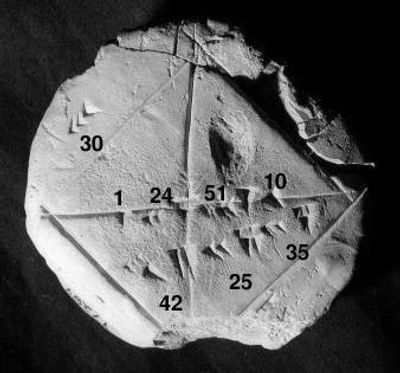
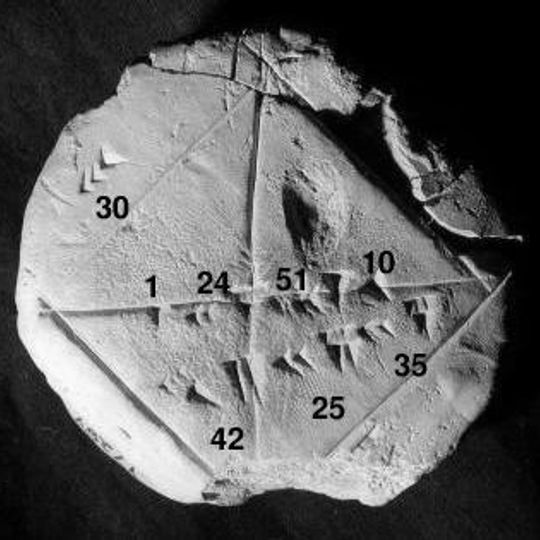
Among the tablets in the collection are some of the oldest known culinary recipes in the world, written in clay long before any cookbook existed. The same collection also holds a tablet on which a scribe calculated the square root of two with remarkable accuracy, showing that advanced mathematics was already practiced over 3,500 years ago.
The community of curious travelers
AroundUs brings together thousands of curated places, local tips, and hidden gems, enriched daily by 92,613 contributors worldwide.