Border irregularities of the United States, Geographic border anomalies in North America
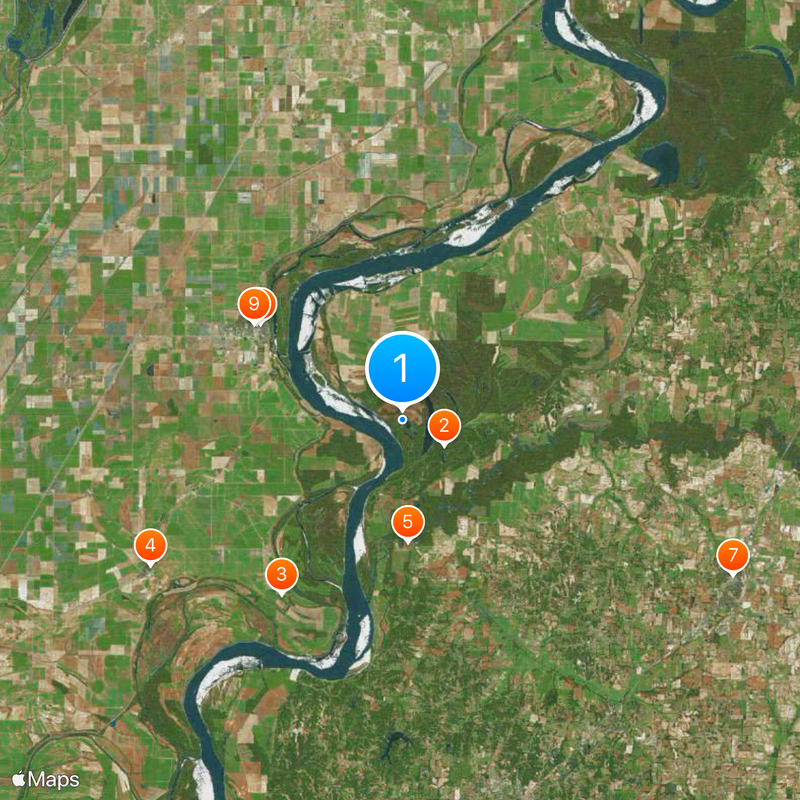
Border irregularities of the United States are territorial peculiarities created by international agreements and natural geography along Canadian and Mexican borders as well as between states. These areas display unusual shapes and isolated locations resulting from how boundaries were drawn and how rivers have shifted over time.
Many of these irregularities originated from 18th and 19th century negotiations such as the 1783 Treaty of Paris and the 1818 convention between the United States and Britain. Geographic shifts caused by river bends and the way boundaries were later mapped created these unusual territorial patterns.
The Four Corners Monument marks the intersection of Arizona, New Mexico, Colorado, and Utah, managed by the Navajo Nation Parks and Recreation Department.
Some of these areas are difficult to reach or require crossing another jurisdiction, so planning ahead is needed. Visitors should check local conditions and access before arriving, as certain locations have limited facilities or unusual entry requirements.
The Northwest Angle in Minnesota is a territory accessible only through Canadian land, created by a mapping mistake during 1783 negotiations. It stands as a reminder of how past agreements continue to shape the landscape in unexpected ways today.
The community of curious travelers
AroundUs brings together thousands of curated places, local tips, and hidden gems, enriched daily by 91,817 contributors worldwide.