Nodena Site, Archaeological site in Mississippi County, United States.
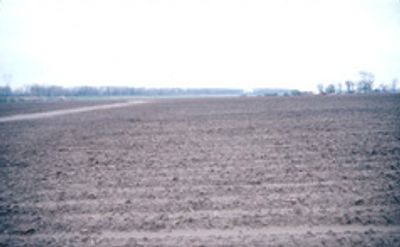
The Nodena Site is an archaeological location in Mississippi County situated near a river valley. It contains multiple earthen mounds of varying sizes, including two particularly large structures and a burial mound.
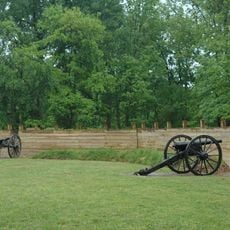
The settlement existed between 1400 and 1650 CE as a fortified community visited by Spanish explorer Hernando de Soto in 1542. This encounter marks a significant moment of early European contact in the region.
The inhabitants produced Bell Plain pottery using mussel shells as tempering agents and practiced intentional skull modification through specialized infant carriers.
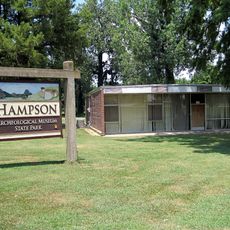
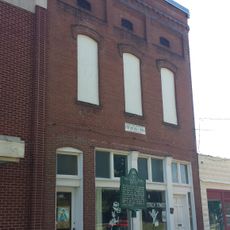
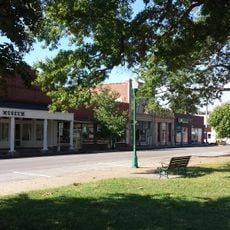
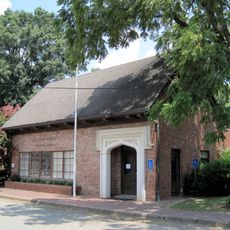
Most artifacts from the site are displayed at the Hampson Museum in Wilson, Arkansas, showing pottery, tools, and ceremonial objects. Visiting the archaeological location itself requires planning since it sits in a remote area.
Excavations have revealed family cemeteries with burials oriented north to south, arranged alongside pottery and tools as grave offerings. This practice shows how important burial rituals and spiritual beliefs were to the community.
The community of curious travelers
AroundUs brings together thousands of curated places, local tips, and hidden gems, enriched daily by 92,244 contributors worldwide.