Enid Cemetery, cemetery in Enid, Oklahoma
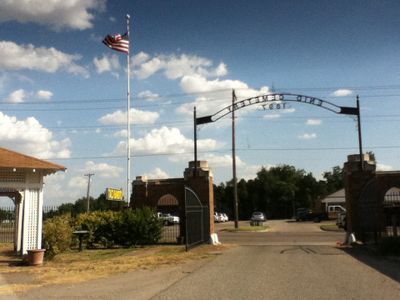
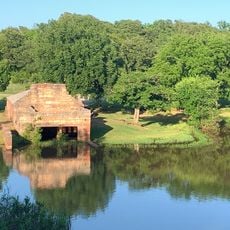
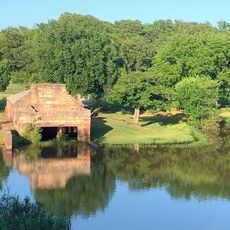
Enid Cemetery is a burial ground in Enid with rows of gravestones in varying styles, from simple stone tablets to larger monuments. The grounds are divided into sections called Original, First, Second, and Evergreen, with pathways lined by grass and mature trees, and features historic structures such as an early 1900s white marble mausoleum and a brick tool shed from the 1920s.
The cemetery was founded in the late 1890s after young Lee Stuart Anderson was buried there in 1897 on land belonging to the Anderson family. The land was later given to the city for public use, and during the early 1900s, multiple sections were added to accommodate Enid's growing population and the community's expansion.
The cemetery serves as a place where families gather to honor their ancestors, particularly during holidays like Memorial Day when locals clean graves and leave flowers. The different grave markers and symbols, including a Jewish section and veteran memorials, reflect the diversity of people who built the community. These regular visits keep connections between generations alive.
The cemetery is open during daylight hours and offers quiet pathways for walking and reflection with no facility amenities on site. Visitors should bring water and sun protection, and plan to visit in early morning or late afternoon to avoid the heat of the day.
The cemetery may contain the grave of Boston Corbett, the man who shot John Wilkes Booth, though this remains unconfirmed, and also holds remains of David E. George, who claimed to be Booth himself. These connections to dramatic moments in American history give the burial ground unexpected historical significance.
The community of curious travelers
AroundUs brings together thousands of curated places, local tips, and hidden gems, enriched daily by 91,526 contributors worldwide.