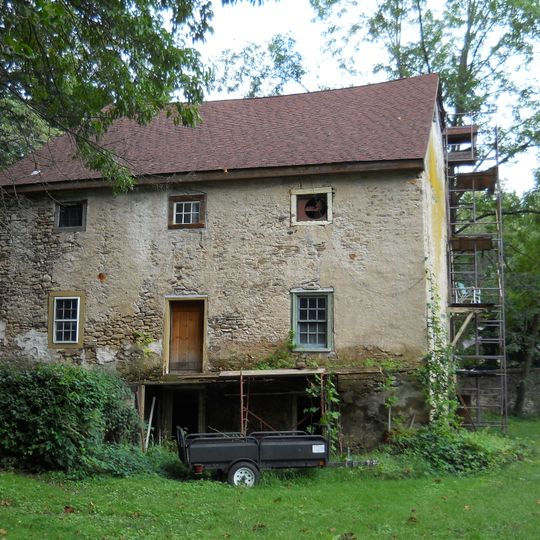
Fetter's Mill, historic grist mill in Pennsylvania
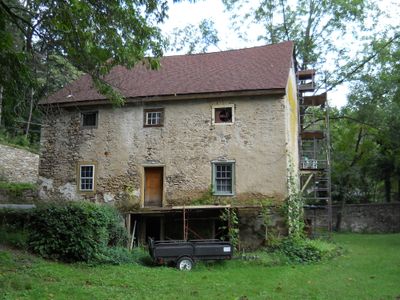
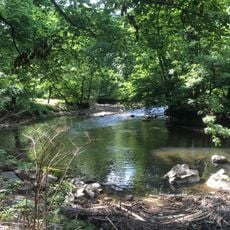
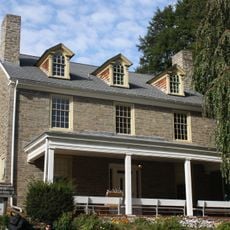
Fetter's Mill is a five-story stone structure originally built as a water-powered grist mill in the 1740s, with stucco-covered walls and a raceway system that diverted water from the Pennypack Creek. The property includes a colonial farmhouse, a stone barn, and a wagon shed, forming a complete historic site within the Fetter's Mill Village Historic District.
The mill was originally built around 1750 by Joshua Morris and significantly expanded in 1860 by George Fetter, who replaced the vertical water wheel with a more efficient horizontal turbine. Operations ceased in the early 20th century when the Pennypack Creek's water level dropped, making the facility unable to function as a working mill.
The mill served as a gathering place where community members brought grain to be processed and exchanged news, creating a social hub in the daily life of Lower Moreland. After 1920, its transformation into an artist's studio by Louis Ewald and subsequent generations of painters reflected how the building became a center for creative work and cultural expression.
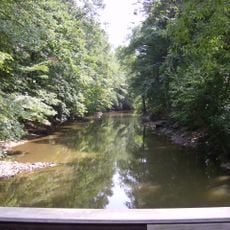
The property sits along Fetter's Mill Drive adjacent to the Pennypack Trail, making it accessible to walkers exploring the area. Since it is private property, arrange tours in advance if you wish to see the interior of the building.
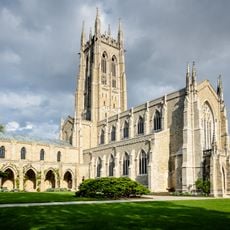
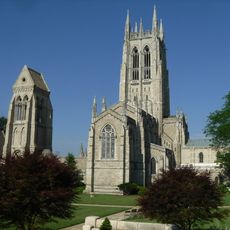
The building served as an artist's studio and residence starting in 1920 when painter Louis Ewald moved in and remained there for over 50 years, creating religious murals and decorating Bryn Athyn Cathedral. Later waves of artists, including students from Temple University's Tyler School of Art in the 1990s, continued using the space for portrait and landscape painting.
The community of curious travelers
AroundUs brings together thousands of curated places, local tips, and hidden gems, enriched daily by 60,000 contributors worldwide.