Hóc Môn, Rural district in Ho Chi Minh City, Vietnam.
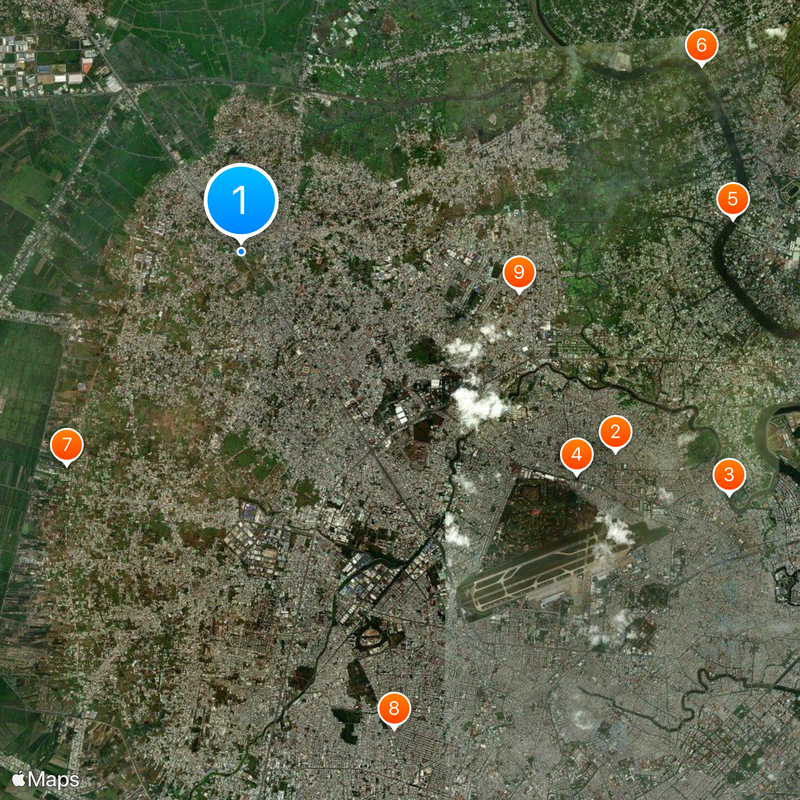
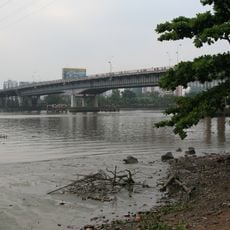
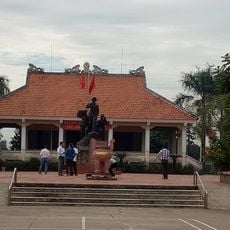
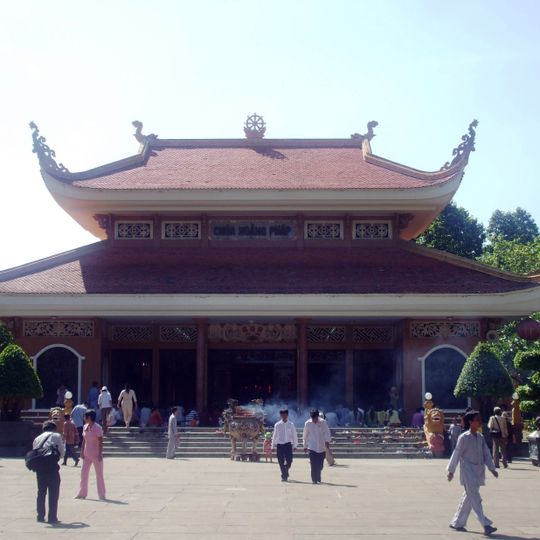
Hóc Môn is a rural area in the northwest of Ho Chi Minh City covering around 109 square kilometers with a main town and eleven villages under its administration. The landscape features settlements, fields, and local markets that define the character of the region.
The area developed between 1698 and 1731 when settlers from northern and central Vietnam established themselves on undeveloped land, founding six villages initially. These communities grew into eighteen villages and formed the foundation for the modern structures we see today.
The district reveals itself through agricultural practices and the residents' connection to rural life. Markets and villages reflect traditional ways that shape how people spend their days and organize their communities.
Visitors find several markets here, especially the vegetable wholesale market, where fresh goods cost less than in downtown areas. The district is accessible but has fewer transit options than central zones, so wear comfortable shoes and allow time to explore the neighborhoods.
The name comes from the early landscape of the area, named after a corner filled with taro plants in the swampy settlement zones. This unusual naming preserves the memory of the place's original nature before it was built up.
The community of curious travelers
AroundUs brings together thousands of curated places, local tips, and hidden gems, enriched daily by 92,313 contributors worldwide.