Oslofjord, Bay in southeastern Norway
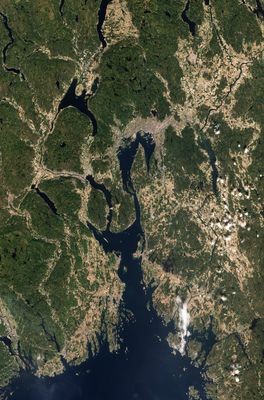
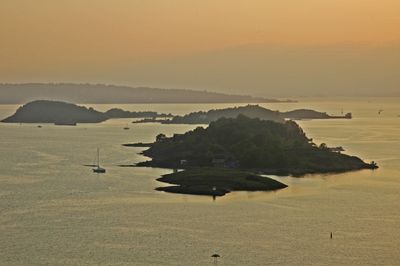
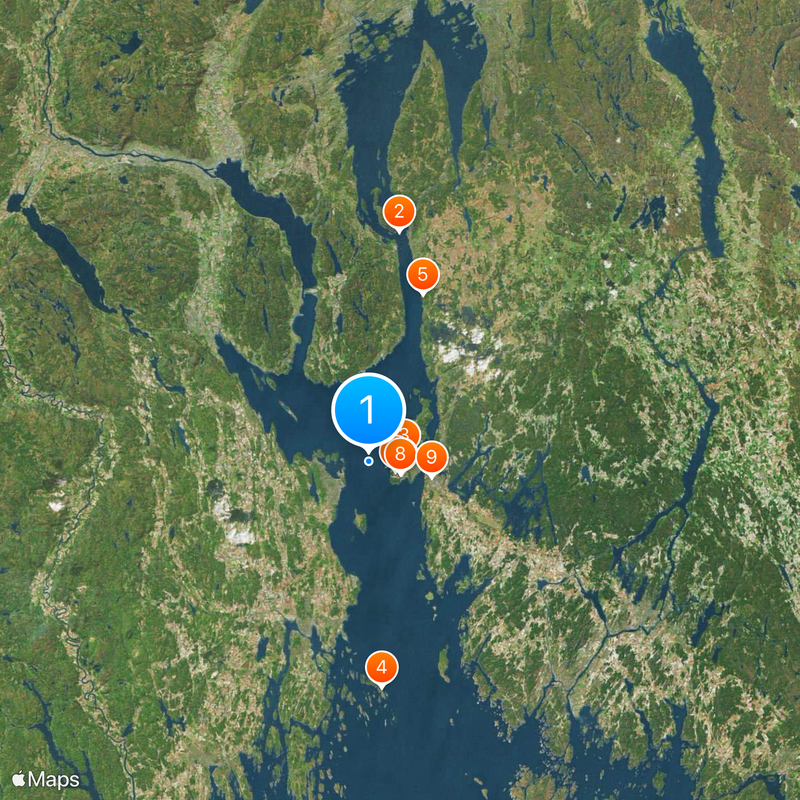
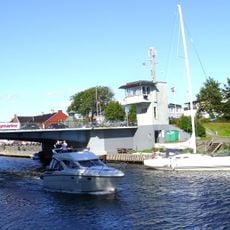
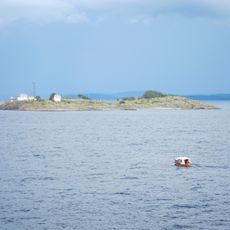
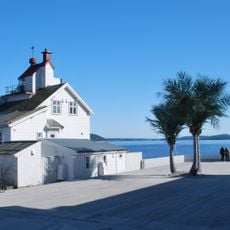
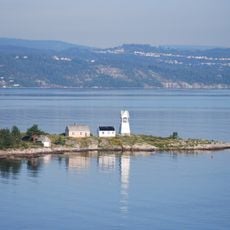
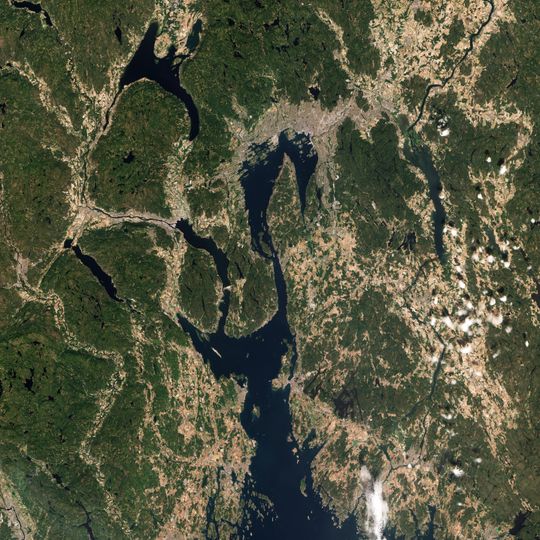
The Oslofjord stretches approximately 150 kilometers from the south to Oslo and contains numerous islands throughout its length. The waterway divides into inner and outer sections, with landscapes marked by forested hillsides and rocky coves.
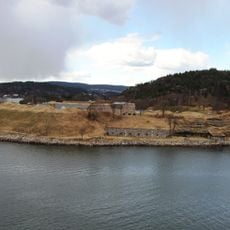
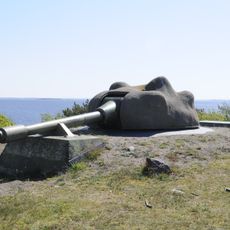
The fjord played a crucial role during the German invasion of 1940, when the Oscarsborg fortress near Drøbak sank the warship Blücher. This action enabled the Norwegian royal family to escape to safety.
The Oslofjord inspired Norwegian painter Edvard Munch to create many artworks from his studio in Åsgårdstrand, and these coastal views continue to shape the region's artistic identity today.
Ferries connect various islands within the fjord, with regular departures from Oslo to destinations like Hovedøya, Lindøya, and Nakholmen. The best time to explore is during warmer months when ferry services and island destinations are fully accessible.
A 7.6-kilometer underwater tunnel has connected Drøbak and Storsand beneath the fjord waters since 2000. This submerged route is a rare transportation solution that allows vehicle traffic to pass directly beneath the water.
The community of curious travelers
AroundUs brings together thousands of curated places, local tips, and hidden gems, enriched daily by 60,000 contributors worldwide.