See the monuments around you in AROpen chests in the app
Around Us is built for your phone — point your camera at the streets and discover the monuments and places around you in augmented reality.Around Us is built for your phone — chests unlock when you walk, explore and capture nearby places.
Photographic places in Oslo: modern architecture, fjord, and nature
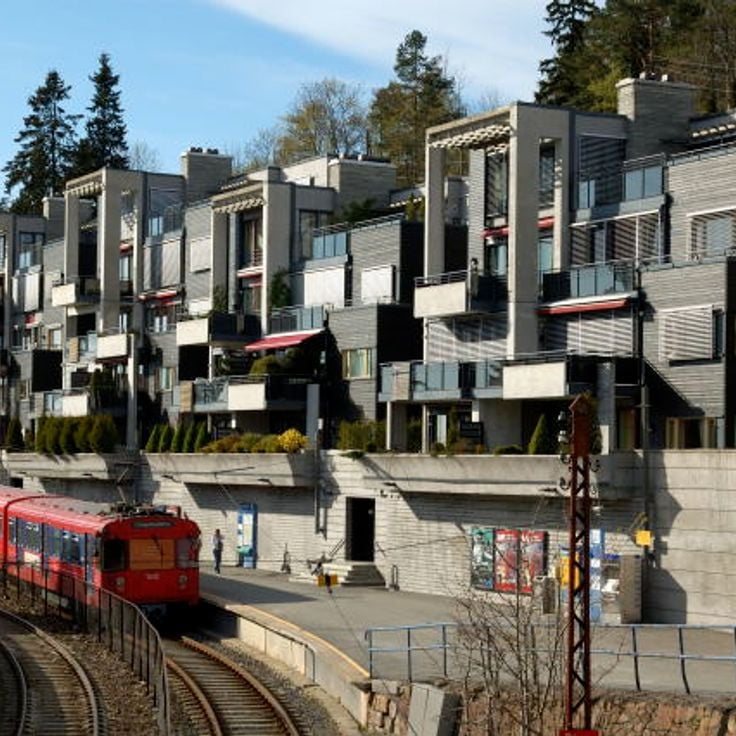
Oslo offers many interesting places to photograph, from the water's edge to the heights of the city. You will see modern buildings next to old structures, museums, green spaces, and defenses that tell the story of Norway. Views scattered around the city allow you to capture images of the fjord, the horizon, and the landscapes surrounding Oslo.
Walking through the neighborhoods, you notice how Norwegian architecture has changed over time. The Opera House with its white structure and stairs leading down to the fjord stands out against the Akershus Fortress, sitting on its hilltop. The Vigeland Sculpture Park presents statues and gardens, while areas like Damstredet and Grünerløkka show how people live in the colorful old streets.
Whether you want to photograph nature or buildings, Oslo offers perspectives from different angles. The fjord gleams in the background of many photos, and the Holmenkollen ski jump overlooks the city from above. Museums, botanical gardens, and the royal palace have their own details and feelings that make your pictures special.
Photographic places in Oslo: modern architecture, fjord, and nature
Oslo offers many interesting places to photograph, from the water's edge to the heights of the city. You will see modern buildings next to old structures, museums, green spaces, and defenses that tell the story of Norway. Views scattered around the city allow you to capture images of the fjord, the horizon, and the landscapes surrounding Oslo.
Walking through the neighborhoods, you notice how Norwegian architecture has changed over time. The Opera House with its white structure and stairs leading down to the fjord stands out against the Akershus Fortress, sitting on its hilltop. The Vigeland Sculpture Park presents statues and gardens, while areas like Damstredet and Grünerløkka show how people live in the colorful old streets.
Whether you want to photograph nature or buildings, Oslo offers perspectives from different angles. The fjord gleams in the background of many photos, and the Holmenkollen ski jump overlooks the city from above. Museums, botanical gardens, and the royal palace have their own details and feelings that make your pictures special.
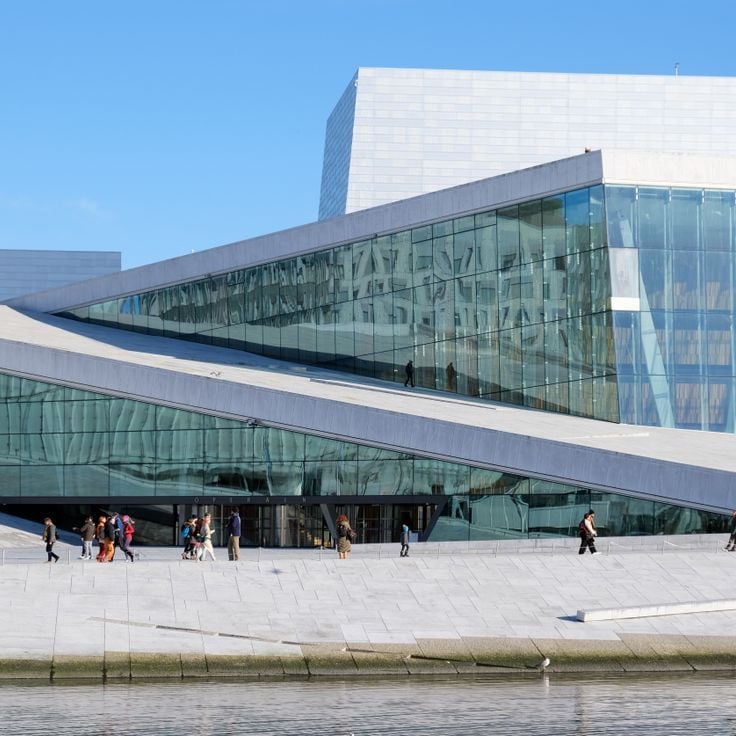
The Opera House in Oslo is a modern building made of white marble and glass with sloped roof surfaces where visitors can walk and view the fjord. This structure shows how contemporary architecture shapes the Norwegian landscape. The white surfaces contrast with the fjord water and offer many opportunities to capture the connection between city and nature. The stairs descending to the water invite exploration and create a special relationship between the building and its surroundings. From a photographic perspective, the Opera House allows different angles and lighting conditions throughout the day.
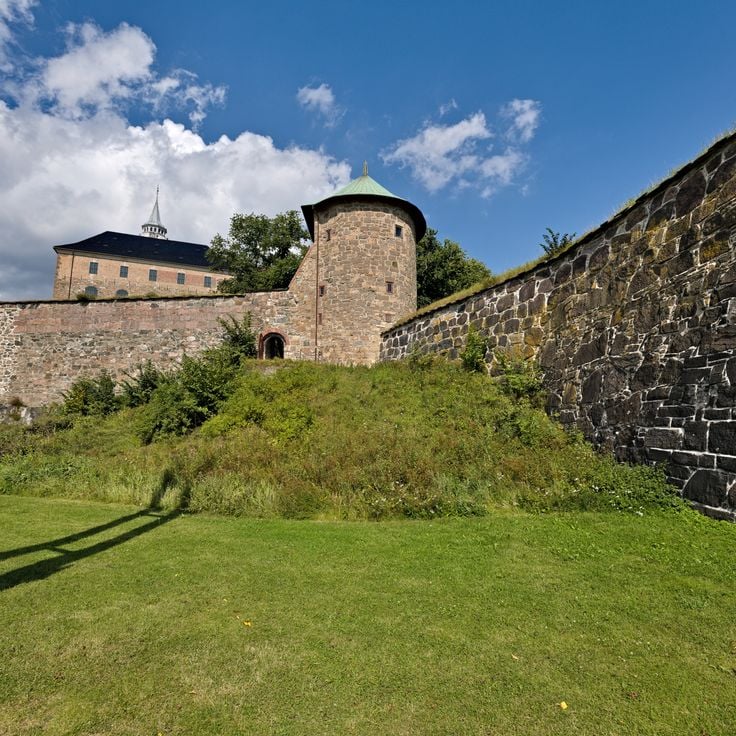
The Akershus Fortress is a medieval castle built in the 13th century, sitting on a hill that overlooks Oslo's harbor. Its stone walls and towers have shaped the city's skyline for centuries. Inside, a chapel holds stories from Norway's past. Photographers find wide views of the fjord and the old city from this location. The fortress brings together history with views of water and sky, creating strong contrasts between ancient stone and the landscape below. Walking through this place helps you understand how Oslo grew from a medieval stronghold into a modern port city.
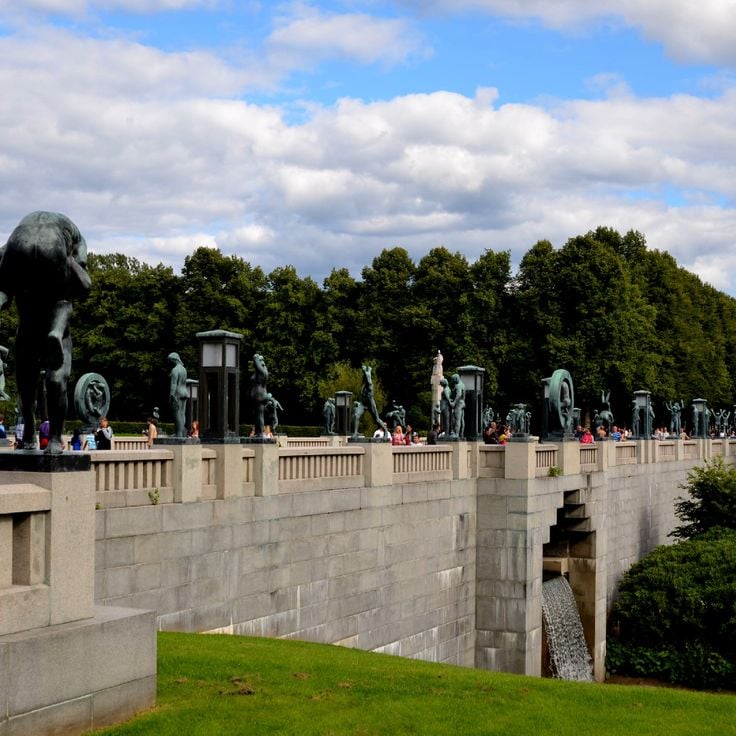
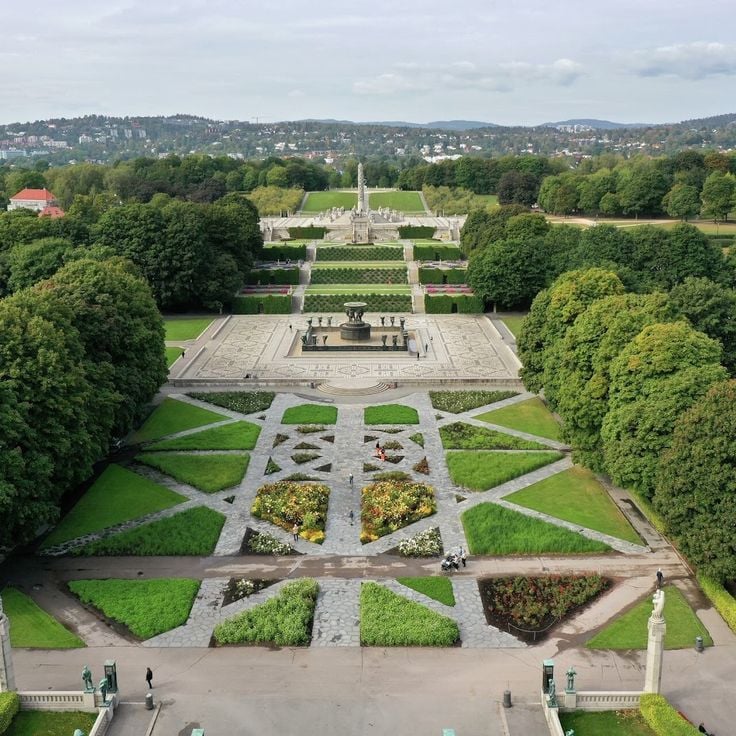
Vigeland Sculpture Park in Oslo displays more than 200 bronze and granite figures created by artist Gustav Vigeland. The sculptures represent different moments in human life and are distributed throughout the park. Visitors walk through designed paths and discover different perspectives on the artworks. The park offers many photo opportunities with views of the figures, gardens, and surrounding landscape. The arrangement of the sculptures allows people to visually trace the cycles of life and creates varied compositions for photographers.
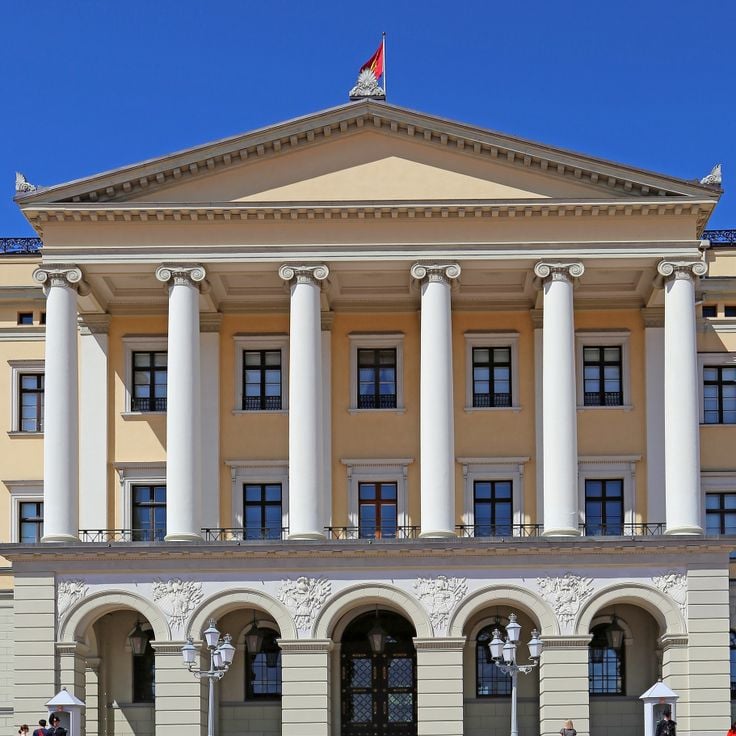
The Royal Palace sits on a hilltop in Oslo, displaying classical Norwegian architecture from the 19th century. The yellow building contains 173 rooms and is surrounded by a park with trees and statues. From this location, views extend over the city and toward the fjord. The palace is visible from outside and offers photo opportunities of the royal residence, its facade, and the surrounding green spaces. The site connects history with modern-day Oslo.
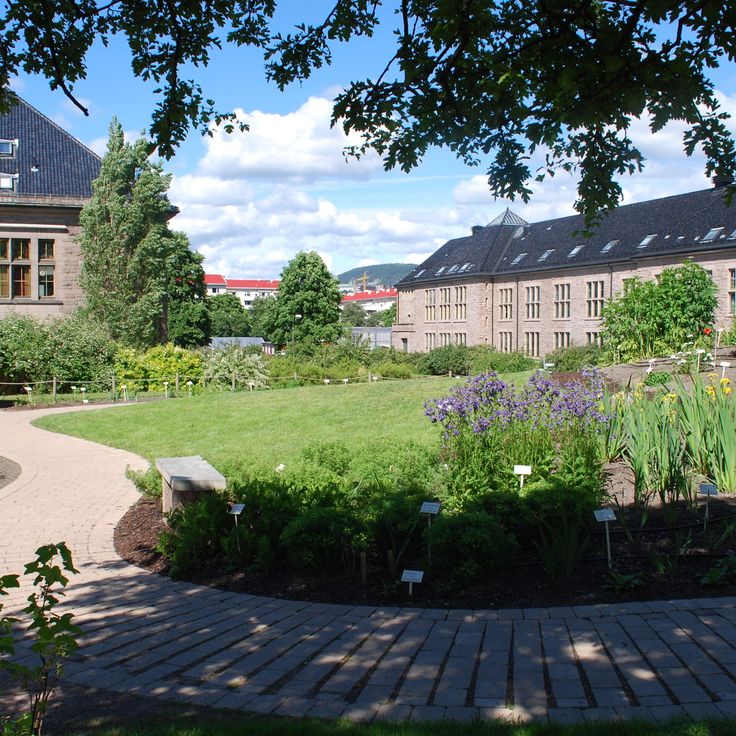
The Botanical Garden of Oslo is a place where visitors discover plants from around the world. The garden displays Nordic species alongside exotic varieties in greenhouses. People can walk through different areas, including a scent garden that engages the senses. The green pathways offer good shots for photographers, especially when light filters through the trees. The garden sits within Oslo and provides a quiet retreat in the heart of the city.
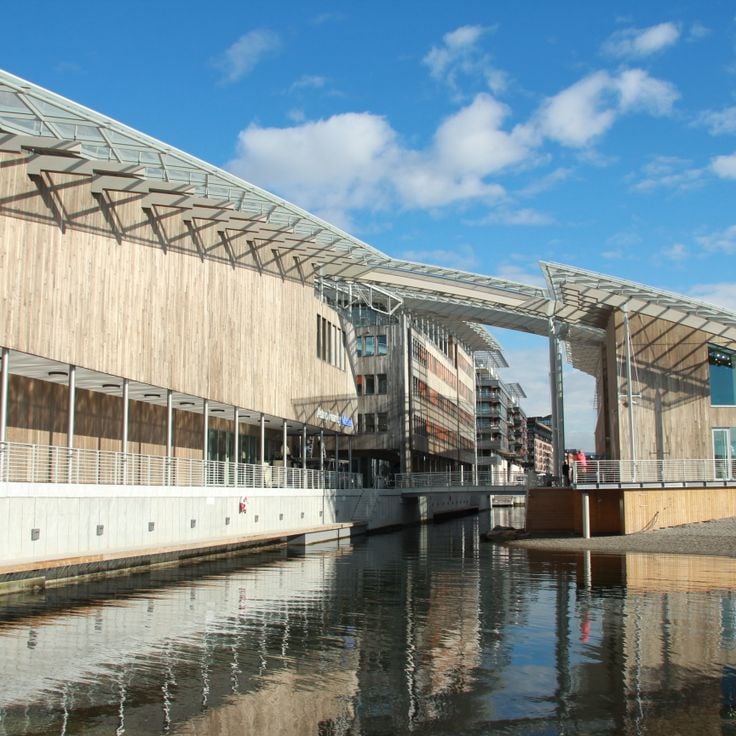
The Astrup Fearnley Museum of Modern Art in Oslo displays contemporary artworks from around the world. The building, designed by Renzo Piano with its distinctive glass roof, sits directly on the waterfront of Oslofjord. This modern structure represents how Oslo's architecture has evolved and offers photographers interesting angles of both the art inside and the fjord setting outside.
Damstredet and Telthusbakken are narrow lanes with houses from the 1800s that show how Oslo used to be. The small wooden buildings have painted colors and tiny gardens in front. The cobblestone streets feel worn and uneven under your feet. This is one of those places in Oslo where you can see how people lived before the city became modern. The tight streets and low-rise homes make it easy to photograph how the city looked long before tall buildings and new designs arrived.
Grunerløkka is a neighborhood in Oslo with roots in working-class history. Red brick buildings have been restored and now hold cafes, shops, and music stores. Street art decorates the walls and brings color to the area. Walking through the streets, you see people gathering at outdoor tables, browsing record stores, and exploring local galleries. The neighborhood keeps its craft-focused character while welcoming new businesses and cultural spaces.
Built in 1892, the Holmenkollen ski jump is a sports complex located at 1,220 feet (371 meters) above sea level that offers wide views across Norway's capital city. This facility is a place where you can see the city from a distance while learning about an important part of Norway's sports history. Visitors come here to enjoy the views and discover how skiing developed in the country. The jump itself stands out above the surrounding landscape and forms a recognizable landmark on Oslo's skyline.
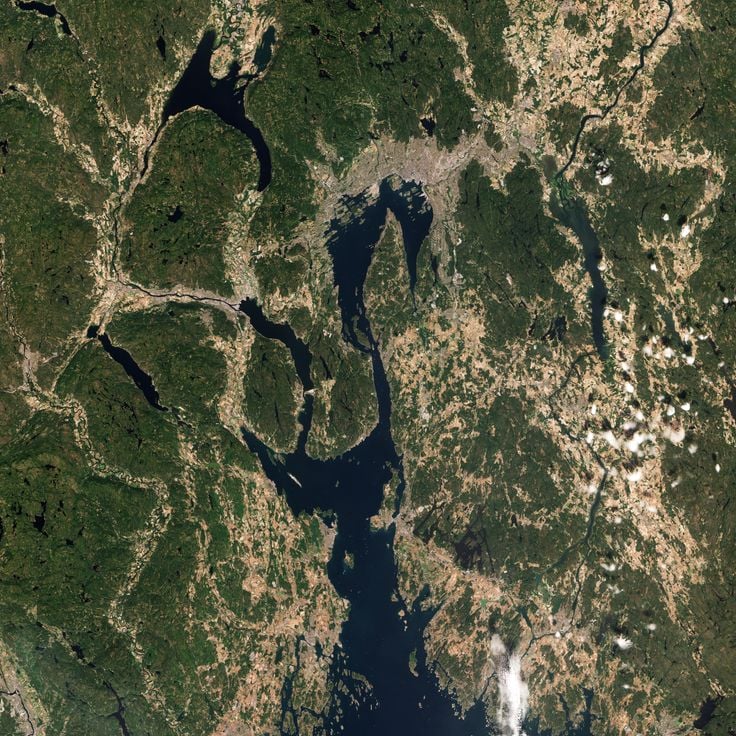
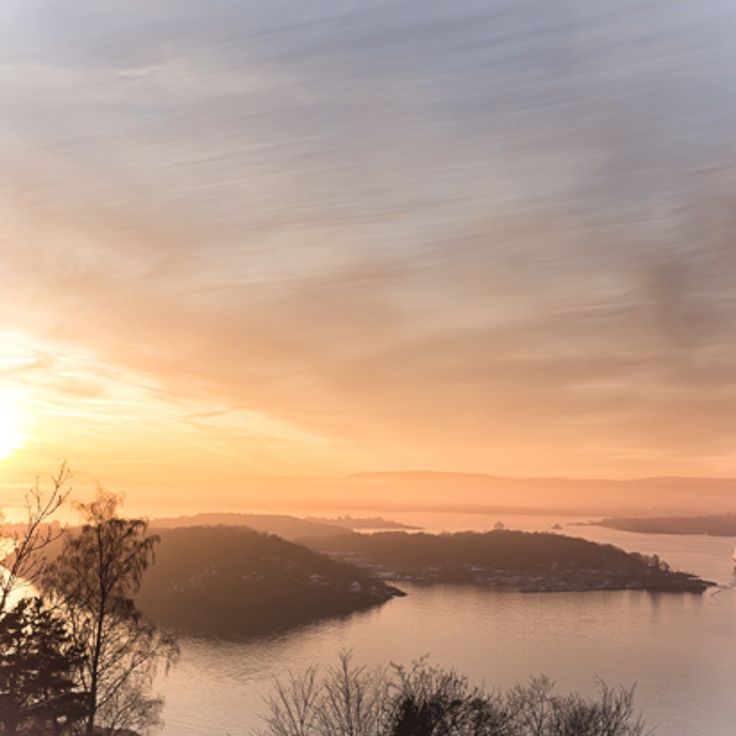
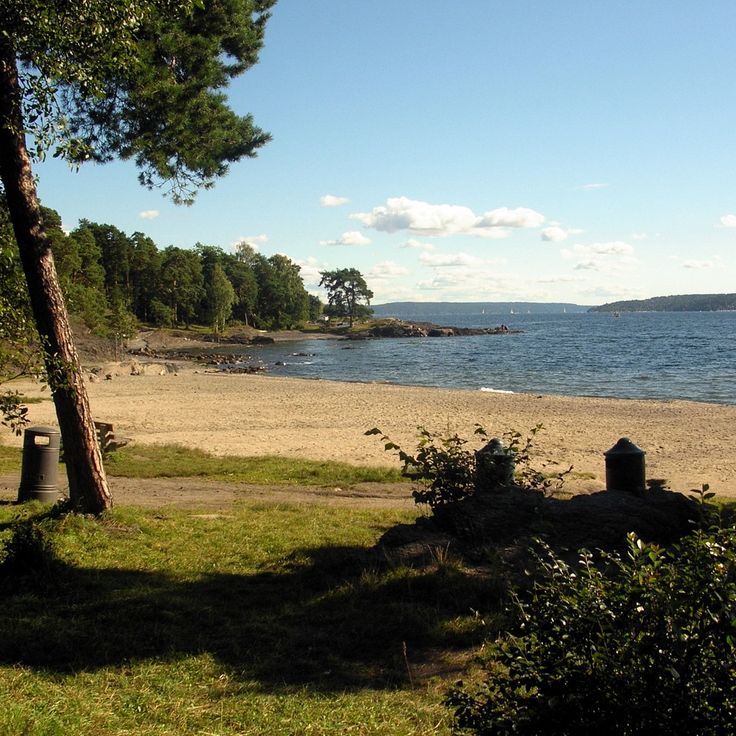
The Oslo Fjord is a marine inlet stretching from the Skagerrak to the city, dotted with islands, bays, and sandy beaches. This waterway creates a natural frame for Oslo and offers many viewpoints for photography. From the water's edge or from the surrounding heights, you can see how the fjord connects to the city's buildings, from modern structures to historic fortifications like Akershus Fortress. The shoreline changes as you move inland, with parks, beaches, and harbors creating different scenes. The water reflects the sky and the city, changing with the light and seasons, making it a constant subject for those looking to capture Oslo's landscape.
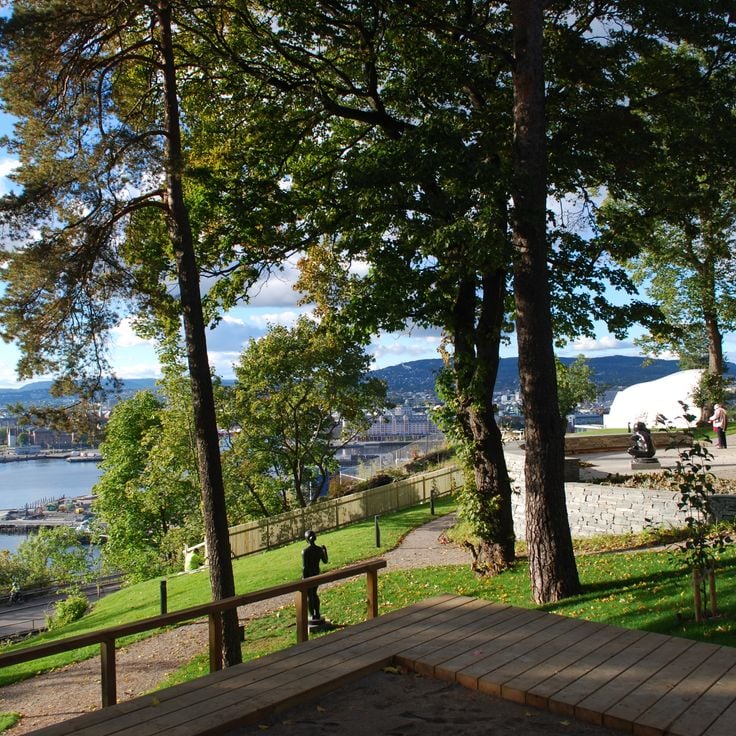
Ekebergparken is a 25-hectare sculpture park in Oslo with 31 works by international artists placed among trees and walking paths. The park offers photographers many chances to capture art in a natural setting. Sculptures sit in open spaces and along trails, surrounded by forest with views toward the fjord. The collection shows different artistic styles and materials. Visitors walk through the park and find both artworks and surrounding landscape worth photographing.
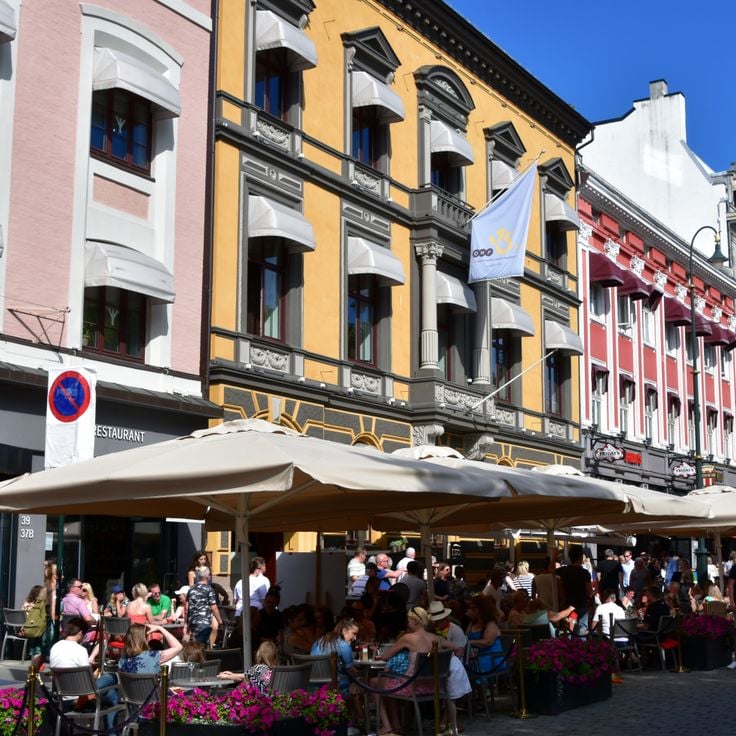
Karl Johans gate is Oslo's main street, stretching about 1.5 kilometers from the Central Station to the Royal Palace. Shops, restaurants, and cafes line both sides of this busy thoroughfare. As you walk, you see crowds moving through the city center, street musicians performing, and the everyday rhythm of urban life. The buildings display different architectural styles from various periods. Small squares along the way offer spots to stop and watch the activity. The street slopes gently upward toward the palace, which comes into view as you continue forward.
Hovedøya is an island near Oslo that holds the ruins of a medieval monastery and cannons from the 1800s. Walking there, you move through grasslands on marked paths that wind between old stone structures and fortifications. The island shows how people lived and defended this place in earlier times. Nature has reclaimed much of the site, yet the traces remain clear to see. For photography, Hovedøya offers historic structures framed by the fjord and views back toward Oslo.
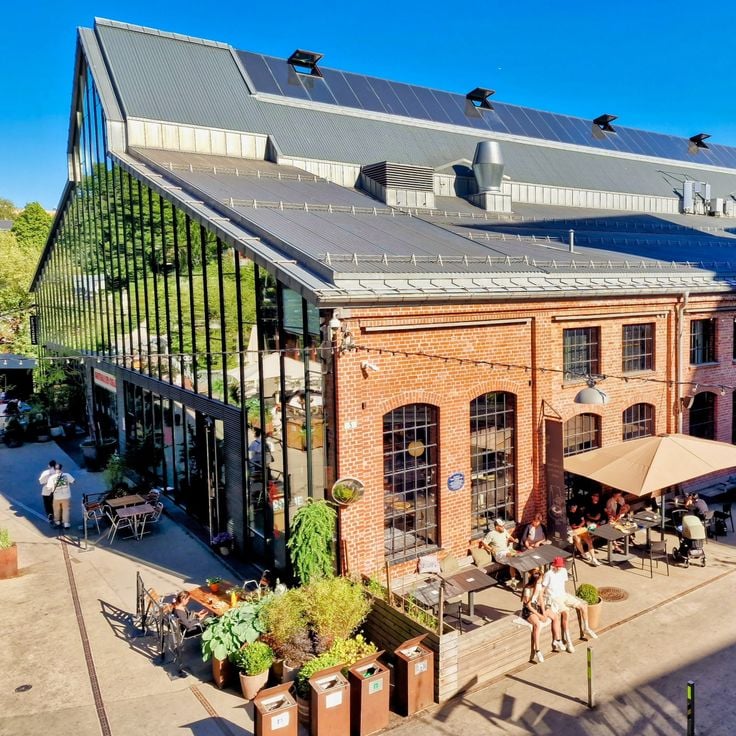
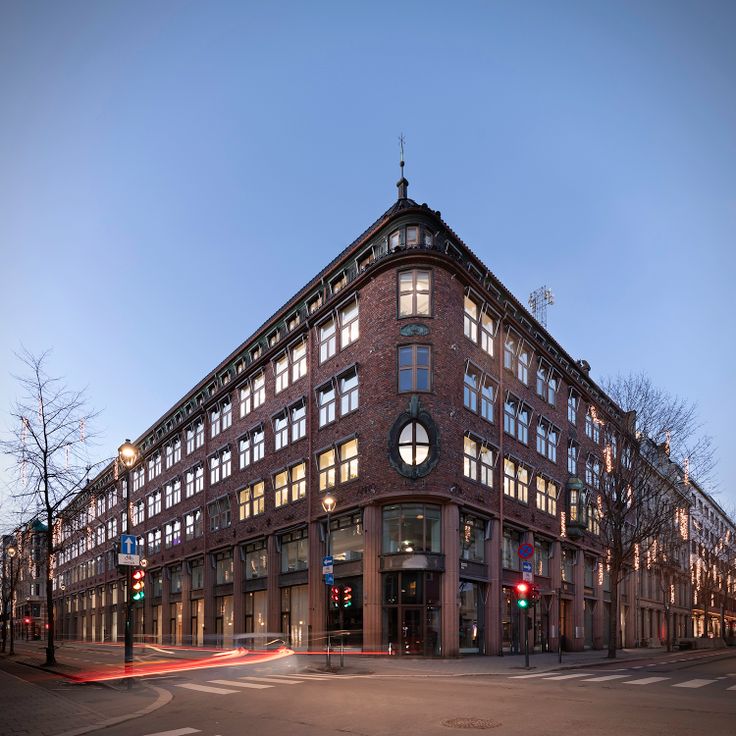
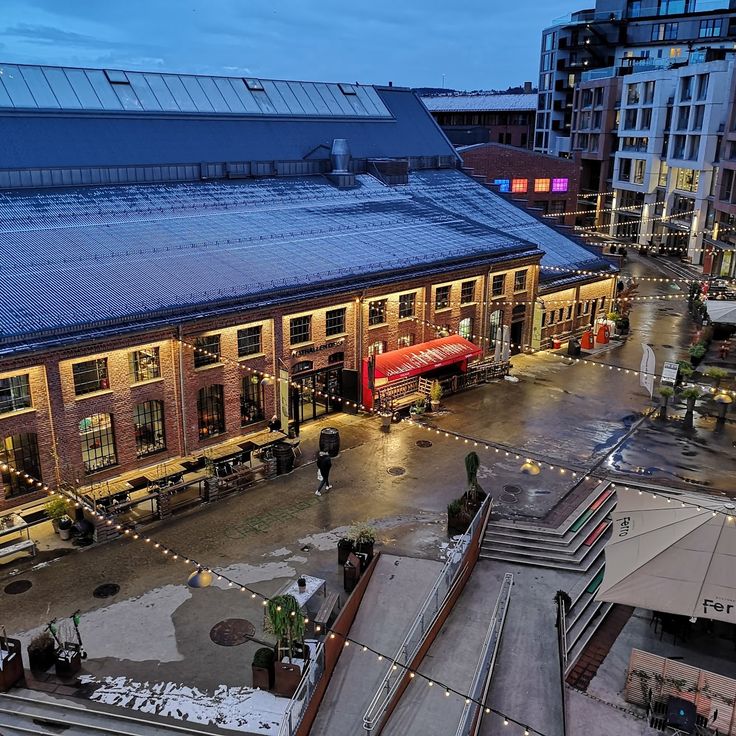
Mathallen Food Market in Oslo brings together over 30 food stands, restaurants, and cafes in a renovated red brick industrial building. The space shows how old factory structures become vibrant gathering places. People gather here to eat, drink, and discover local products. High ceilings and exposed brick walls create an open environment where the flavors and aromas of different cuisines mix together. Mathallen reflects how Oslo's neighborhoods have been transformed through thoughtful renovation of existing buildings.
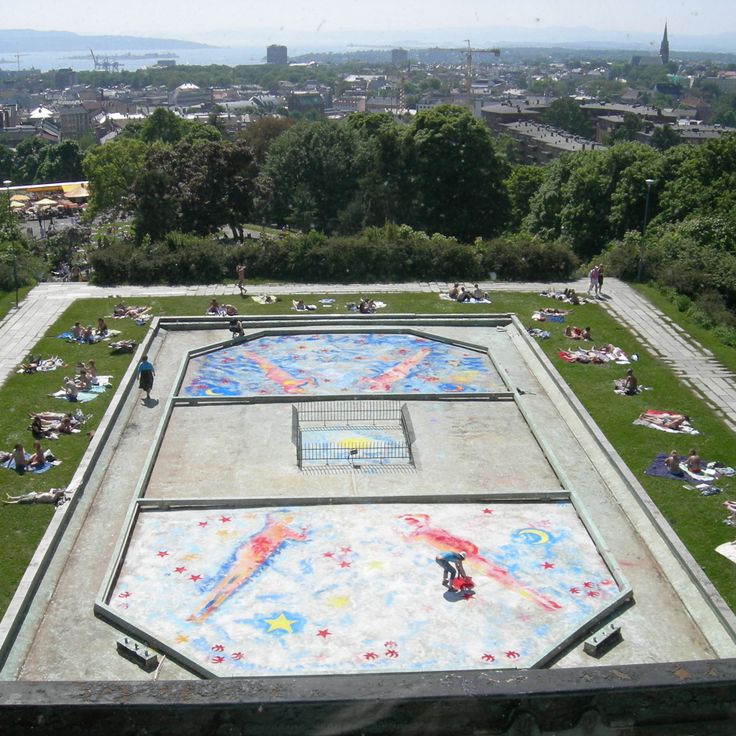
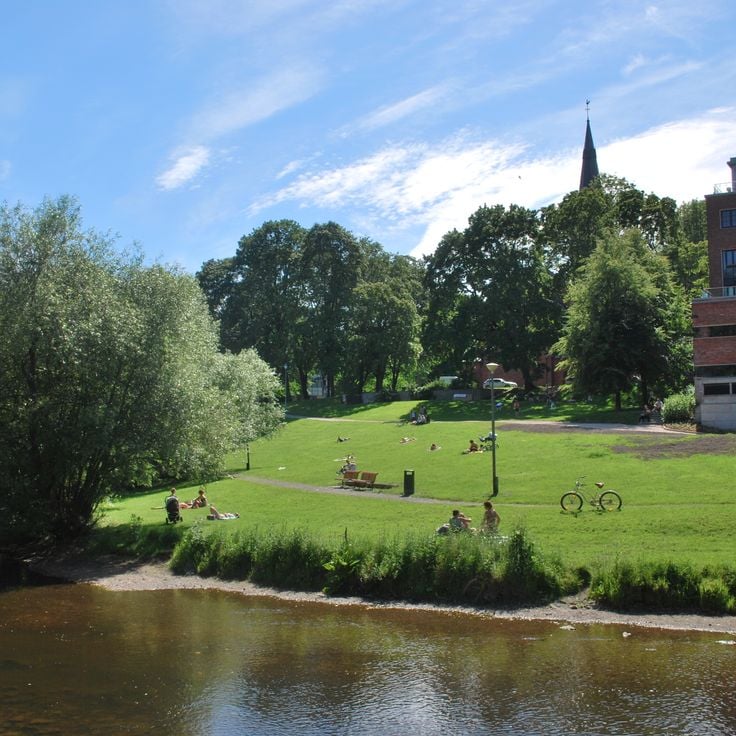
St. Hanshaugen Park in Oslo sits on a hilltop and offers views of the city below. The park has water basins and benches where people gather. It shows how Oslo incorporates green spaces into its urban landscape and provides photography opportunities for both the trees and plants around it and the cityscape. From this hill, you can see how the city spreads out in different directions.
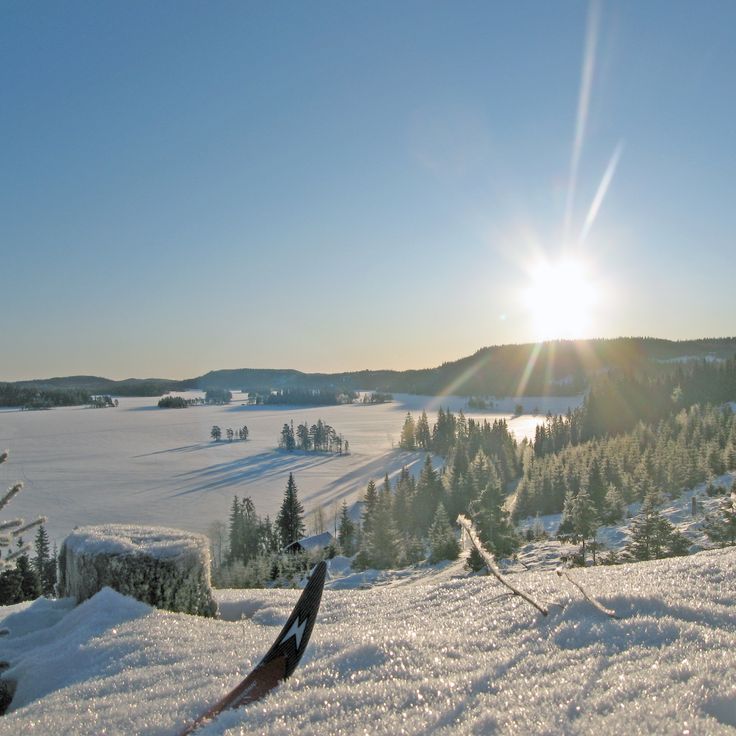
Oslomarka is a large forest area north of Oslo with marked trails, lakes and viewpoints. This area offers many opportunities for photographers to capture nature and landscape. The forests alternate with open spaces, and from various heights you can see the surroundings of Oslo. The lakes reflect the sky, especially beautiful in different seasons. Hikers and photographers use the well-marked paths to reach remote places where you can photograph the quiet of nature.
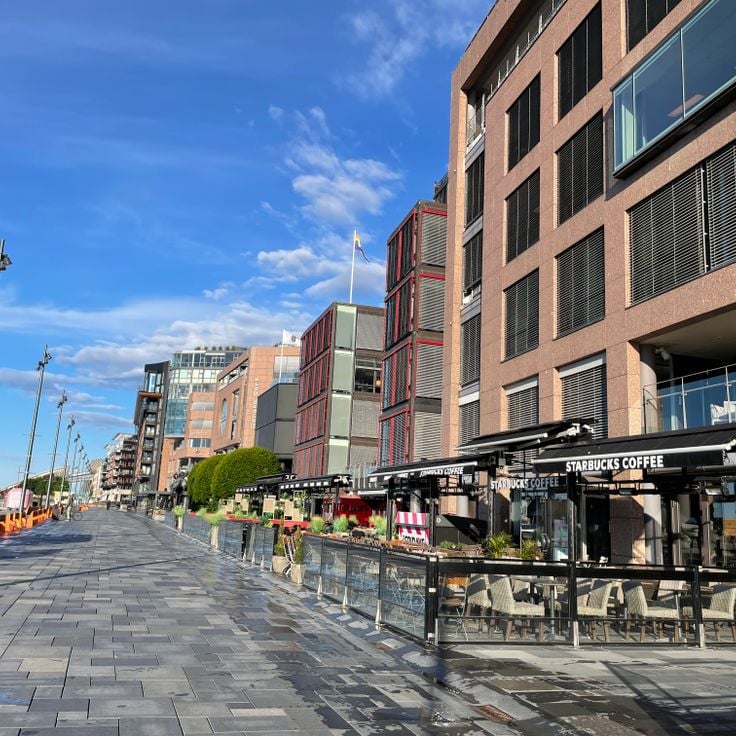
Aker Brygge is a lively waterfront area in Oslo where modern buildings stand alongside old shipyard structures. You can see how the city has changed over time, transforming from a working harbor into a popular public space. People walk along the piers, sit at outdoor cafes, and look out toward the fjord. The mix of new construction and preserved industrial buildings creates visual interest. Light plays across the different facades and streets throughout the day, offering many chances to take photographs. The place feels busy, especially during warmer months, and shows how Oslo has brought its harbor back to life.
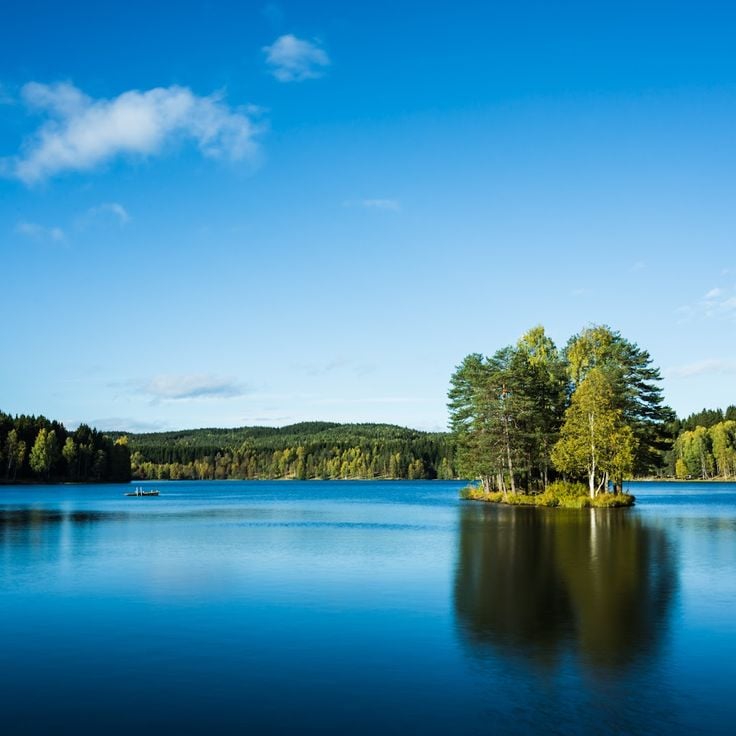
Sognsvann Lake in Oslo is a natural retreat surrounded by walking trails and forested banks. Visitors come here to stroll, observe wildlife, and photograph the water reflecting the sky and trees. The paths loop around the lake at different levels, offering views of the water from various angles. On weekends, locals walk, jog, and relax by the shore. The lake feels remote despite being close to the city, with tall trees creating a sense of separation from urban life. It is a place where nature takes center stage in Oslo.
Frogner Park is a large green space in Oslo that holds the famous sculpture installations created by Gustav Vigeland. The park offers different angles for photographers, from the sculpture groups to the manicured gardens and pathways. Vigeland's works shape the park with their varied subjects and compositions. Walking through the area, you encounter multiple sections where statues, fountains, and planted areas connect together. The park shows how art and nature work side by side, giving you many chances to capture the details of the sculptures and the structure of the installations in photographs.
The National Opera House of Norway is where the country's opera and ballet companies perform. The building stands out for its white exterior and broad stairways that descend toward the fjord. Visitors can explore inside or walk on the rooftops while enjoying views of the water and city. The opera house blends modern design with Oslo's natural surroundings and serves as a key part of the city's cultural life.
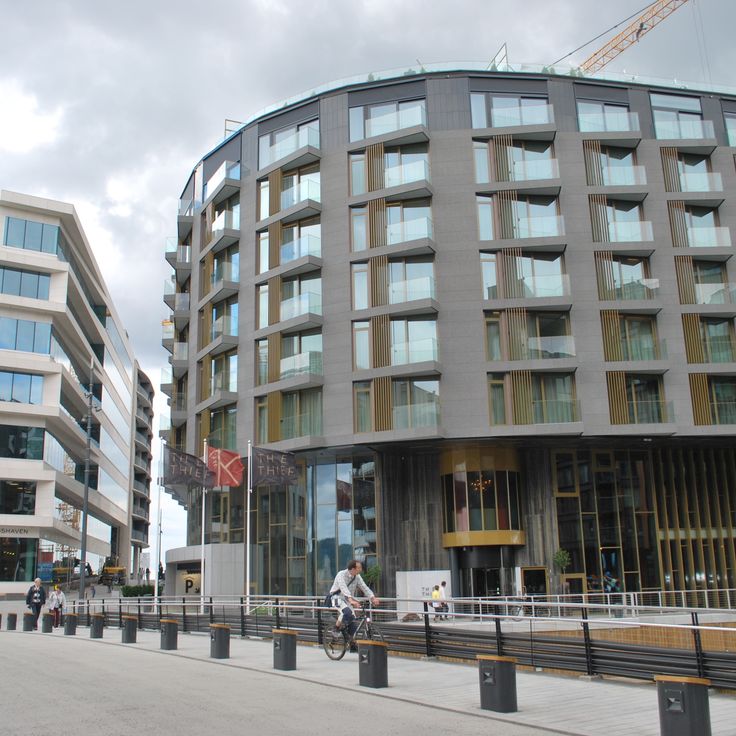
The Thief is a contemporary hotel located on the Tjuvholmen Quay with direct views of Oslo Fjord. This building shows modern Norwegian architecture at the water's edge. Its position on the quay makes it an interesting place to photograph, especially when light reflects across the fjord. Around the hotel you will find galleries and other buildings that reflect the city's contemporary art scene. The waterfront location offers angles to capture both the building itself and the fjord beyond.
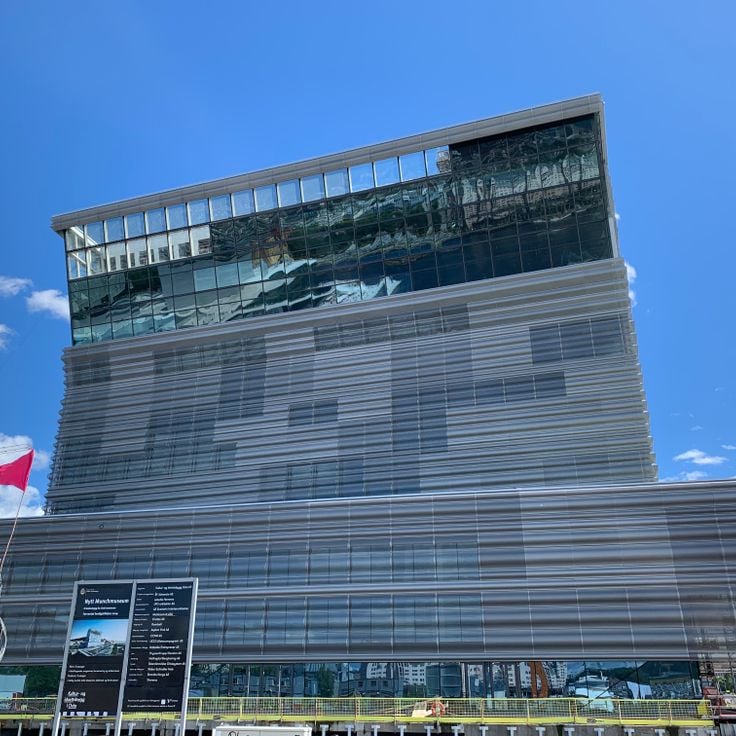
The Munch Museum displays artworks by Edvard Munch and serves as an important location for photographers visiting Oslo. The building itself offers interesting views, especially when photographed from the outside. Inside, you will find works like The Scream displayed throughout the museum's spaces. The museum's architecture fits into Oslo's mix of modern and older buildings. Visitors can photograph the artworks according to what the museum permits, and the way the works are presented creates opportunities for striking images.
Kvadraturen is Oslo's oldest planned district, designed with a rectangular street grid in the 17th century. Renaissance buildings line the streets in an orderly pattern that still defines the neighborhood today. Walking through Kvadraturen, you see colorful facades, local shops, and cafes tucked into historic buildings. The district shows how Oslo looked centuries ago and offers many angles for photographs. The narrow streets and aged wooden and stone buildings create a feeling quite different from modern parts of the city.
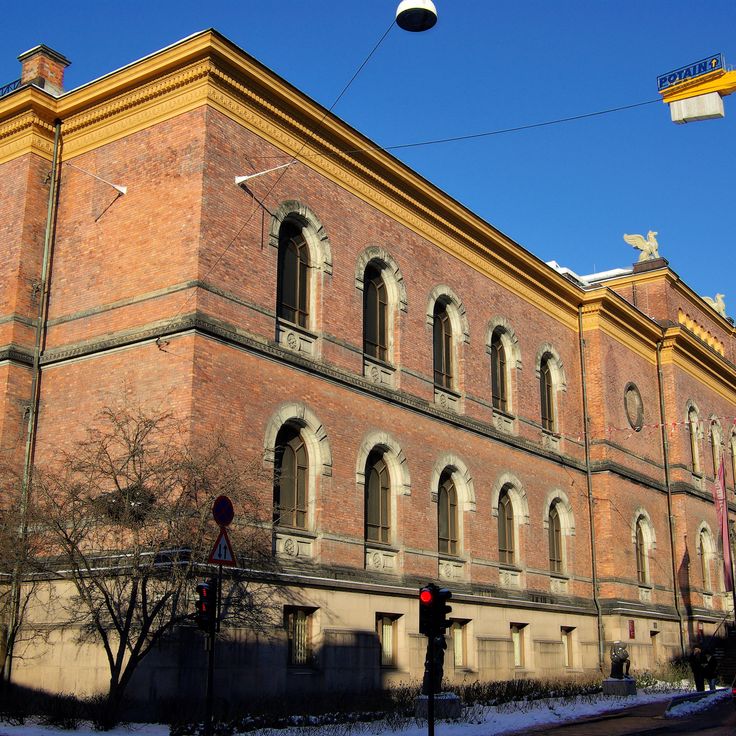
Nasjonalgalleriet is the main art museum in this city, presenting Norwegian and international artworks from the Middle Ages through 1950. The collection includes paintings, sculptures, and prints that tell the story of Norwegian artistic traditions. The museum holds significant works by Edvard Munch, the Norwegian artist whose emotional and expressive paintings are recognized worldwide. Through these galleries, you can follow how artistic styles and movements evolved over centuries, from religious works to modern pieces. The museum offers a window into the cultural and creative life that has shaped Norway over time.
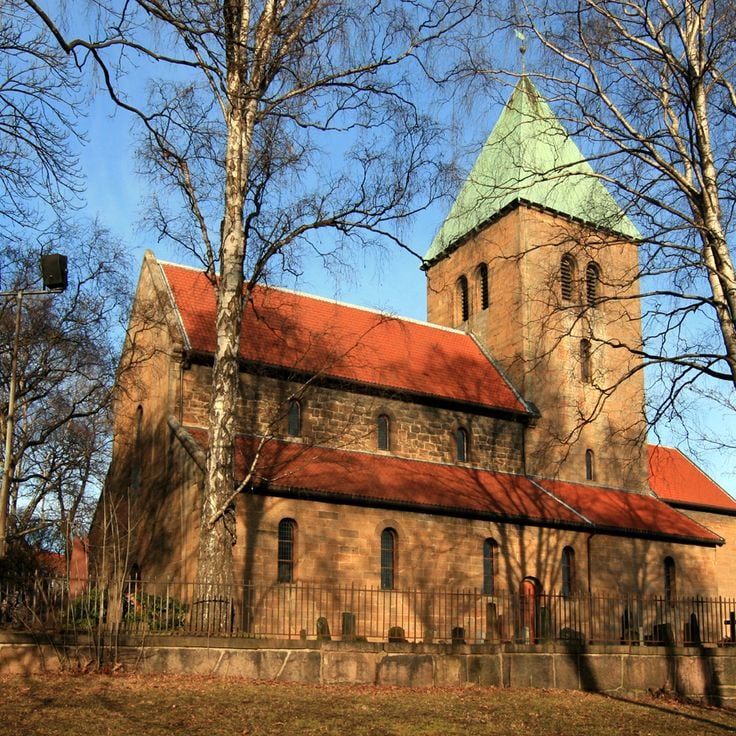
Gamle Aker Kirke is one of Oslo's oldest churches. This medieval structure built from local limestone displays Romanesque features from the 12th century. The church sits in a quiet neighborhood and offers photographers interesting details: stone walls, small windows, and a bell tower that stands against the sky. Around it lie green spaces and old houses that together tell the story of an earlier time.
The Bygdøy peninsula in Oslo offers photographers a chance to capture history and nature in one place. You will find the Museum of Seafaring with its Viking ships, the Folk Museum displaying traditional buildings, and the Fram Museum telling the story of polar explorer Fridtjof Nansen. Between the museums, forests and walking paths lead down to the water. The mix of historical structures and green surroundings gives you different angles and moods to photograph.
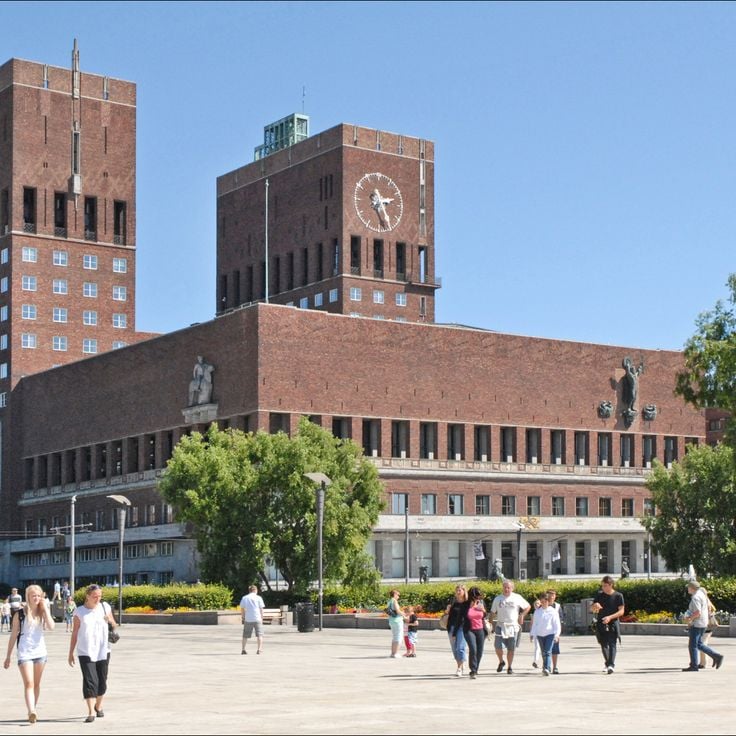
Oslo City Hall is an administrative building completed in 1950 featuring murals depicting Norwegian history. This structure offers excellent opportunities for photographing modern architecture. From different angles, you can capture the distinctive shape and details of the building as it stands against the waterfront and fjord. The building is also interesting for shots of Oslo from the water.
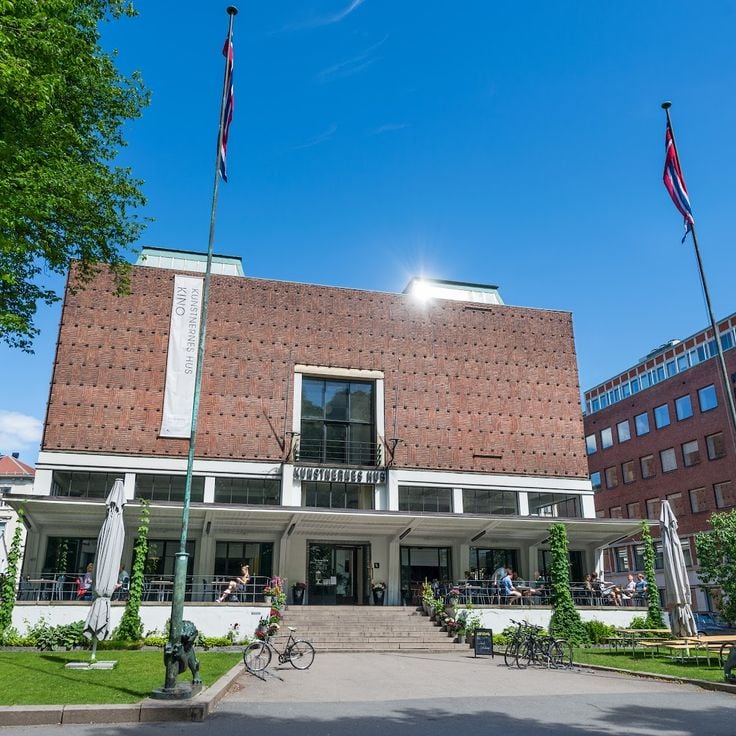
Kunstnernes Hus is an art center that opened in 1930 and showcases contemporary Norwegian and international art across two main exhibition spaces. Located in Oslo, this building serves as a gathering place for artists and art enthusiasts. The center displays works from different styles and periods, offering visitors a look at the modern art scene. The building itself is part of Oslo's architectural story and contributes to the city's cultural landscape.
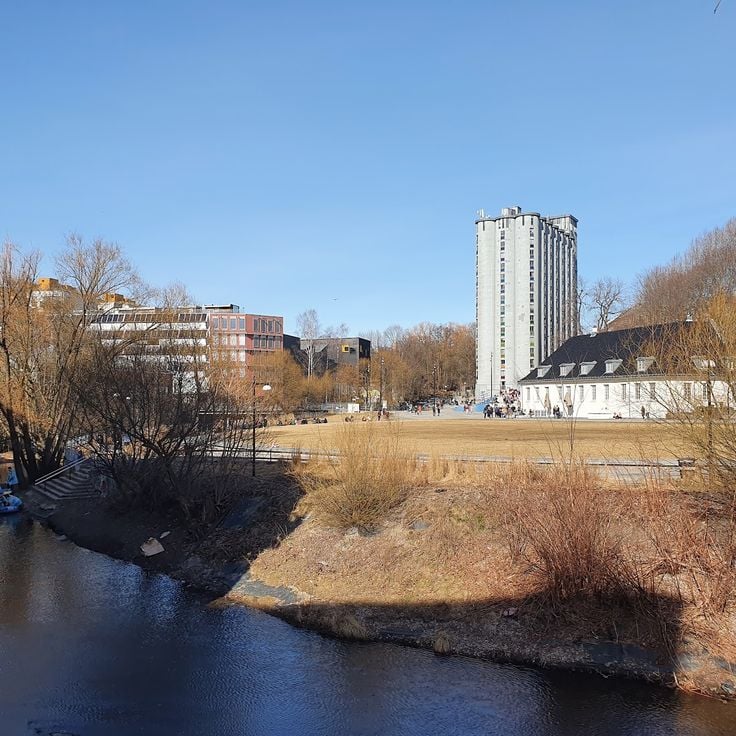
The Akerselva River runs through Oslo and shapes the city's character with its waterfalls, green spaces, and historic 19th-century industrial buildings. This river offers many photography opportunities when you want to capture the contrast between nature and old factory structures. Along the water you find bridges, parks, and paths to walk through that show different views of how Oslo has developed over time. The Akerselva is an important part of what Oslo offers for photography because it brings together water, history, and nature in one place.
Vulkan is a renovated industrial site in Oslo that has become a vibrant public space. The location now hosts restaurants, shops, and offices overlooking the Akerselva River. This area demonstrates how Oslo has transformed old industrial areas into places where people work, dine, and gather. The architecture blends the site's industrial heritage with modern design. You can photograph the river views, the renovated buildings, and the mix of old and new that defines this neighborhood. The space shows how cities can breathe new life into their forgotten industrial past.
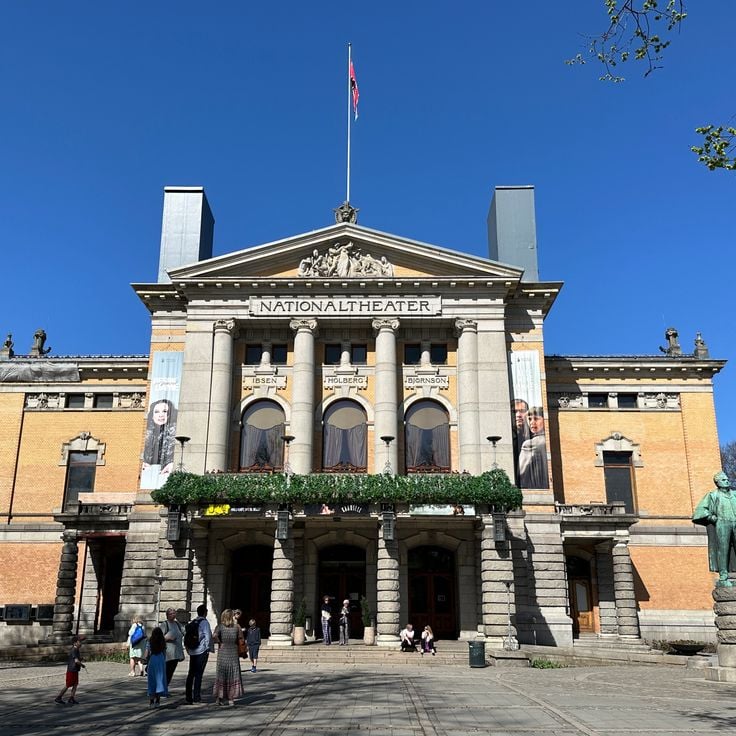
The National Theater in Oslo has operated since 1899, presenting Norwegian and international plays in a building with neoclassical architecture. This theater is an important place to photograph, as its classical facade with columns and details offers engaging visual moments, especially under changing light. The building sits at the heart of the city and connects with surroundings that mix modern construction with older structures. As you walk through Oslo and explore how the city's architecture has evolved over time, you will find this a valuable spot to capture the history of Norway in your images.
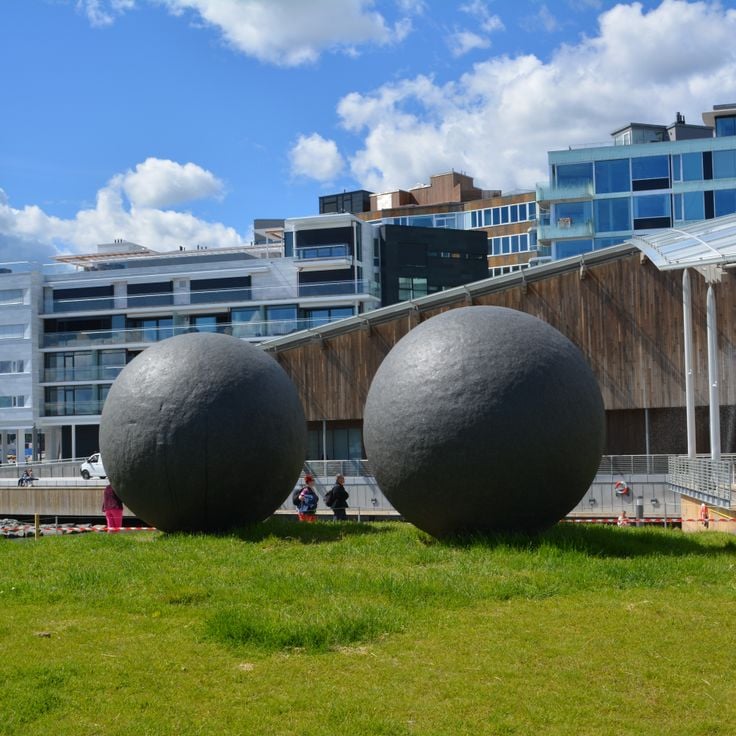
Tjuvholmen Sculpture Park sits on Oslo's waterfront and displays international artworks among green spaces. From this coastal location, you look out over the Oslo Fjord and the city beyond. The park combines contemporary art with nature, offering varied angles for photographers. The sculptures are placed among trees and open areas where you can see the fjord and surrounding landscape. This place shows how modern art installations fit into Oslo's natural setting.
The Opera House in Oslo is a modern building made of white marble and glass with sloped roof surfaces where visitors can walk and view the fjord. This structure shows how contemporary architecture shapes the Norwegian landscape. The white surfaces contrast with the fjord water and offer many opportunities to capture the connection between city and nature. The stairs descending to the water invite exploration and create a special relationship between the building and its surroundings. From a photographic perspective, the Opera House allows different angles and lighting conditions throughout the day.
The Akershus Fortress is a medieval castle built in the 13th century, sitting on a hill that overlooks Oslo's harbor. Its stone walls and towers have shaped the city's skyline for centuries. Inside, a chapel holds stories from Norway's past. Photographers find wide views of the fjord and the old city from this location. The fortress brings together history with views of water and sky, creating strong contrasts between ancient stone and the landscape below. Walking through this place helps you understand how Oslo grew from a medieval stronghold into a modern port city.
Vigeland Sculpture Park in Oslo displays more than 200 bronze and granite figures created by artist Gustav Vigeland. The sculptures represent different moments in human life and are distributed throughout the park. Visitors walk through designed paths and discover different perspectives on the artworks. The park offers many photo opportunities with views of the figures, gardens, and surrounding landscape. The arrangement of the sculptures allows people to visually trace the cycles of life and creates varied compositions for photographers.
The Royal Palace sits on a hilltop in Oslo, displaying classical Norwegian architecture from the 19th century. The yellow building contains 173 rooms and is surrounded by a park with trees and statues. From this location, views extend over the city and toward the fjord. The palace is visible from outside and offers photo opportunities of the royal residence, its facade, and the surrounding green spaces. The site connects history with modern-day Oslo.
The Botanical Garden of Oslo is a place where visitors discover plants from around the world. The garden displays Nordic species alongside exotic varieties in greenhouses. People can walk through different areas, including a scent garden that engages the senses. The green pathways offer good shots for photographers, especially when light filters through the trees. The garden sits within Oslo and provides a quiet retreat in the heart of the city.
The Astrup Fearnley Museum of Modern Art in Oslo displays contemporary artworks from around the world. The building, designed by Renzo Piano with its distinctive glass roof, sits directly on the waterfront of Oslofjord. This modern structure represents how Oslo's architecture has evolved and offers photographers interesting angles of both the art inside and the fjord setting outside.
Damstredet and Telthusbakken are narrow lanes with houses from the 1800s that show how Oslo used to be. The small wooden buildings have painted colors and tiny gardens in front. The cobblestone streets feel worn and uneven under your feet. This is one of those places in Oslo where you can see how people lived before the city became modern. The tight streets and low-rise homes make it easy to photograph how the city looked long before tall buildings and new designs arrived.
Grunerløkka is a neighborhood in Oslo with roots in working-class history. Red brick buildings have been restored and now hold cafes, shops, and music stores. Street art decorates the walls and brings color to the area. Walking through the streets, you see people gathering at outdoor tables, browsing record stores, and exploring local galleries. The neighborhood keeps its craft-focused character while welcoming new businesses and cultural spaces.
Built in 1892, the Holmenkollen ski jump is a sports complex located at 1,220 feet (371 meters) above sea level that offers wide views across Norway's capital city. This facility is a place where you can see the city from a distance while learning about an important part of Norway's sports history. Visitors come here to enjoy the views and discover how skiing developed in the country. The jump itself stands out above the surrounding landscape and forms a recognizable landmark on Oslo's skyline.
The Oslo Fjord is a marine inlet stretching from the Skagerrak to the city, dotted with islands, bays, and sandy beaches. This waterway creates a natural frame for Oslo and offers many viewpoints for photography. From the water's edge or from the surrounding heights, you can see how the fjord connects to the city's buildings, from modern structures to historic fortifications like Akershus Fortress. The shoreline changes as you move inland, with parks, beaches, and harbors creating different scenes. The water reflects the sky and the city, changing with the light and seasons, making it a constant subject for those looking to capture Oslo's landscape.
Ekebergparken is a 25-hectare sculpture park in Oslo with 31 works by international artists placed among trees and walking paths. The park offers photographers many chances to capture art in a natural setting. Sculptures sit in open spaces and along trails, surrounded by forest with views toward the fjord. The collection shows different artistic styles and materials. Visitors walk through the park and find both artworks and surrounding landscape worth photographing.
Karl Johans gate is Oslo's main street, stretching about 1.5 kilometers from the Central Station to the Royal Palace. Shops, restaurants, and cafes line both sides of this busy thoroughfare. As you walk, you see crowds moving through the city center, street musicians performing, and the everyday rhythm of urban life. The buildings display different architectural styles from various periods. Small squares along the way offer spots to stop and watch the activity. The street slopes gently upward toward the palace, which comes into view as you continue forward.
Hovedøya is an island near Oslo that holds the ruins of a medieval monastery and cannons from the 1800s. Walking there, you move through grasslands on marked paths that wind between old stone structures and fortifications. The island shows how people lived and defended this place in earlier times. Nature has reclaimed much of the site, yet the traces remain clear to see. For photography, Hovedøya offers historic structures framed by the fjord and views back toward Oslo.
Mathallen Food Market in Oslo brings together over 30 food stands, restaurants, and cafes in a renovated red brick industrial building. The space shows how old factory structures become vibrant gathering places. People gather here to eat, drink, and discover local products. High ceilings and exposed brick walls create an open environment where the flavors and aromas of different cuisines mix together. Mathallen reflects how Oslo's neighborhoods have been transformed through thoughtful renovation of existing buildings.
St. Hanshaugen Park in Oslo sits on a hilltop and offers views of the city below. The park has water basins and benches where people gather. It shows how Oslo incorporates green spaces into its urban landscape and provides photography opportunities for both the trees and plants around it and the cityscape. From this hill, you can see how the city spreads out in different directions.
Oslomarka is a large forest area north of Oslo with marked trails, lakes and viewpoints. This area offers many opportunities for photographers to capture nature and landscape. The forests alternate with open spaces, and from various heights you can see the surroundings of Oslo. The lakes reflect the sky, especially beautiful in different seasons. Hikers and photographers use the well-marked paths to reach remote places where you can photograph the quiet of nature.
Aker Brygge is a lively waterfront area in Oslo where modern buildings stand alongside old shipyard structures. You can see how the city has changed over time, transforming from a working harbor into a popular public space. People walk along the piers, sit at outdoor cafes, and look out toward the fjord. The mix of new construction and preserved industrial buildings creates visual interest. Light plays across the different facades and streets throughout the day, offering many chances to take photographs. The place feels busy, especially during warmer months, and shows how Oslo has brought its harbor back to life.
Sognsvann Lake in Oslo is a natural retreat surrounded by walking trails and forested banks. Visitors come here to stroll, observe wildlife, and photograph the water reflecting the sky and trees. The paths loop around the lake at different levels, offering views of the water from various angles. On weekends, locals walk, jog, and relax by the shore. The lake feels remote despite being close to the city, with tall trees creating a sense of separation from urban life. It is a place where nature takes center stage in Oslo.
Frogner Park is a large green space in Oslo that holds the famous sculpture installations created by Gustav Vigeland. The park offers different angles for photographers, from the sculpture groups to the manicured gardens and pathways. Vigeland's works shape the park with their varied subjects and compositions. Walking through the area, you encounter multiple sections where statues, fountains, and planted areas connect together. The park shows how art and nature work side by side, giving you many chances to capture the details of the sculptures and the structure of the installations in photographs.
The National Opera House of Norway is where the country's opera and ballet companies perform. The building stands out for its white exterior and broad stairways that descend toward the fjord. Visitors can explore inside or walk on the rooftops while enjoying views of the water and city. The opera house blends modern design with Oslo's natural surroundings and serves as a key part of the city's cultural life.
The Thief is a contemporary hotel located on the Tjuvholmen Quay with direct views of Oslo Fjord. This building shows modern Norwegian architecture at the water's edge. Its position on the quay makes it an interesting place to photograph, especially when light reflects across the fjord. Around the hotel you will find galleries and other buildings that reflect the city's contemporary art scene. The waterfront location offers angles to capture both the building itself and the fjord beyond.
The Munch Museum displays artworks by Edvard Munch and serves as an important location for photographers visiting Oslo. The building itself offers interesting views, especially when photographed from the outside. Inside, you will find works like The Scream displayed throughout the museum's spaces. The museum's architecture fits into Oslo's mix of modern and older buildings. Visitors can photograph the artworks according to what the museum permits, and the way the works are presented creates opportunities for striking images.
Kvadraturen is Oslo's oldest planned district, designed with a rectangular street grid in the 17th century. Renaissance buildings line the streets in an orderly pattern that still defines the neighborhood today. Walking through Kvadraturen, you see colorful facades, local shops, and cafes tucked into historic buildings. The district shows how Oslo looked centuries ago and offers many angles for photographs. The narrow streets and aged wooden and stone buildings create a feeling quite different from modern parts of the city.
Nasjonalgalleriet is the main art museum in this city, presenting Norwegian and international artworks from the Middle Ages through 1950. The collection includes paintings, sculptures, and prints that tell the story of Norwegian artistic traditions. The museum holds significant works by Edvard Munch, the Norwegian artist whose emotional and expressive paintings are recognized worldwide. Through these galleries, you can follow how artistic styles and movements evolved over centuries, from religious works to modern pieces. The museum offers a window into the cultural and creative life that has shaped Norway over time.
Gamle Aker Kirke is one of Oslo's oldest churches. This medieval structure built from local limestone displays Romanesque features from the 12th century. The church sits in a quiet neighborhood and offers photographers interesting details: stone walls, small windows, and a bell tower that stands against the sky. Around it lie green spaces and old houses that together tell the story of an earlier time.
The Bygdøy peninsula in Oslo offers photographers a chance to capture history and nature in one place. You will find the Museum of Seafaring with its Viking ships, the Folk Museum displaying traditional buildings, and the Fram Museum telling the story of polar explorer Fridtjof Nansen. Between the museums, forests and walking paths lead down to the water. The mix of historical structures and green surroundings gives you different angles and moods to photograph.
Oslo City Hall is an administrative building completed in 1950 featuring murals depicting Norwegian history. This structure offers excellent opportunities for photographing modern architecture. From different angles, you can capture the distinctive shape and details of the building as it stands against the waterfront and fjord. The building is also interesting for shots of Oslo from the water.
Kunstnernes Hus is an art center that opened in 1930 and showcases contemporary Norwegian and international art across two main exhibition spaces. Located in Oslo, this building serves as a gathering place for artists and art enthusiasts. The center displays works from different styles and periods, offering visitors a look at the modern art scene. The building itself is part of Oslo's architectural story and contributes to the city's cultural landscape.
The Akerselva River runs through Oslo and shapes the city's character with its waterfalls, green spaces, and historic 19th-century industrial buildings. This river offers many photography opportunities when you want to capture the contrast between nature and old factory structures. Along the water you find bridges, parks, and paths to walk through that show different views of how Oslo has developed over time. The Akerselva is an important part of what Oslo offers for photography because it brings together water, history, and nature in one place.
Vulkan is a renovated industrial site in Oslo that has become a vibrant public space. The location now hosts restaurants, shops, and offices overlooking the Akerselva River. This area demonstrates how Oslo has transformed old industrial areas into places where people work, dine, and gather. The architecture blends the site's industrial heritage with modern design. You can photograph the river views, the renovated buildings, and the mix of old and new that defines this neighborhood. The space shows how cities can breathe new life into their forgotten industrial past.
The National Theater in Oslo has operated since 1899, presenting Norwegian and international plays in a building with neoclassical architecture. This theater is an important place to photograph, as its classical facade with columns and details offers engaging visual moments, especially under changing light. The building sits at the heart of the city and connects with surroundings that mix modern construction with older structures. As you walk through Oslo and explore how the city's architecture has evolved over time, you will find this a valuable spot to capture the history of Norway in your images.
Tjuvholmen Sculpture Park sits on Oslo's waterfront and displays international artworks among green spaces. From this coastal location, you look out over the Oslo Fjord and the city beyond. The park combines contemporary art with nature, offering varied angles for photographers. The sculptures are placed among trees and open areas where you can see the fjord and surrounding landscape. This place shows how modern art installations fit into Oslo's natural setting.
The Opera House in Oslo is a modern building made of white marble and glass with sloped roof surfaces where visitors can walk and view the fjord. This structure shows how contemporary architecture shapes the Norwegian landscape. The white surfaces contrast with the fjord water and offer many opportunities to capture the connection between city and nature. The stairs descending to the water invite exploration and create a special relationship between the building and its surroundings. From a photographic perspective, the Opera House allows different angles and lighting conditions throughout the day.
The Akershus Fortress is a medieval castle built in the 13th century, sitting on a hill that overlooks Oslo's harbor. Its stone walls and towers have shaped the city's skyline for centuries. Inside, a chapel holds stories from Norway's past. Photographers find wide views of the fjord and the old city from this location. The fortress brings together history with views of water and sky, creating strong contrasts between ancient stone and the landscape below. Walking through this place helps you understand how Oslo grew from a medieval stronghold into a modern port city.
Vigeland Sculpture Park in Oslo displays more than 200 bronze and granite figures created by artist Gustav Vigeland. The sculptures represent different moments in human life and are distributed throughout the park. Visitors walk through designed paths and discover different perspectives on the artworks. The park offers many photo opportunities with views of the figures, gardens, and surrounding landscape. The arrangement of the sculptures allows people to visually trace the cycles of life and creates varied compositions for photographers.
The Royal Palace sits on a hilltop in Oslo, displaying classical Norwegian architecture from the 19th century. The yellow building contains 173 rooms and is surrounded by a park with trees and statues. From this location, views extend over the city and toward the fjord. The palace is visible from outside and offers photo opportunities of the royal residence, its facade, and the surrounding green spaces. The site connects history with modern-day Oslo.
The Botanical Garden of Oslo is a place where visitors discover plants from around the world. The garden displays Nordic species alongside exotic varieties in greenhouses. People can walk through different areas, including a scent garden that engages the senses. The green pathways offer good shots for photographers, especially when light filters through the trees. The garden sits within Oslo and provides a quiet retreat in the heart of the city.
The Astrup Fearnley Museum of Modern Art in Oslo displays contemporary artworks from around the world. The building, designed by Renzo Piano with its distinctive glass roof, sits directly on the waterfront of Oslofjord. This modern structure represents how Oslo's architecture has evolved and offers photographers interesting angles of both the art inside and the fjord setting outside.
Damstredet and Telthusbakken are narrow lanes with houses from the 1800s that show how Oslo used to be. The small wooden buildings have painted colors and tiny gardens in front. The cobblestone streets feel worn and uneven under your feet. This is one of those places in Oslo where you can see how people lived before the city became modern. The tight streets and low-rise homes make it easy to photograph how the city looked long before tall buildings and new designs arrived.
Grunerløkka is a neighborhood in Oslo with roots in working-class history. Red brick buildings have been restored and now hold cafes, shops, and music stores. Street art decorates the walls and brings color to the area. Walking through the streets, you see people gathering at outdoor tables, browsing record stores, and exploring local galleries. The neighborhood keeps its craft-focused character while welcoming new businesses and cultural spaces.
Built in 1892, the Holmenkollen ski jump is a sports complex located at 1,220 feet (371 meters) above sea level that offers wide views across Norway's capital city. This facility is a place where you can see the city from a distance while learning about an important part of Norway's sports history. Visitors come here to enjoy the views and discover how skiing developed in the country. The jump itself stands out above the surrounding landscape and forms a recognizable landmark on Oslo's skyline.
The Oslo Fjord is a marine inlet stretching from the Skagerrak to the city, dotted with islands, bays, and sandy beaches. This waterway creates a natural frame for Oslo and offers many viewpoints for photography. From the water's edge or from the surrounding heights, you can see how the fjord connects to the city's buildings, from modern structures to historic fortifications like Akershus Fortress. The shoreline changes as you move inland, with parks, beaches, and harbors creating different scenes. The water reflects the sky and the city, changing with the light and seasons, making it a constant subject for those looking to capture Oslo's landscape.
Ekebergparken is a 25-hectare sculpture park in Oslo with 31 works by international artists placed among trees and walking paths. The park offers photographers many chances to capture art in a natural setting. Sculptures sit in open spaces and along trails, surrounded by forest with views toward the fjord. The collection shows different artistic styles and materials. Visitors walk through the park and find both artworks and surrounding landscape worth photographing.
Karl Johans gate is Oslo's main street, stretching about 1.5 kilometers from the Central Station to the Royal Palace. Shops, restaurants, and cafes line both sides of this busy thoroughfare. As you walk, you see crowds moving through the city center, street musicians performing, and the everyday rhythm of urban life. The buildings display different architectural styles from various periods. Small squares along the way offer spots to stop and watch the activity. The street slopes gently upward toward the palace, which comes into view as you continue forward.
Hovedøya is an island near Oslo that holds the ruins of a medieval monastery and cannons from the 1800s. Walking there, you move through grasslands on marked paths that wind between old stone structures and fortifications. The island shows how people lived and defended this place in earlier times. Nature has reclaimed much of the site, yet the traces remain clear to see. For photography, Hovedøya offers historic structures framed by the fjord and views back toward Oslo.
Mathallen Food Market in Oslo brings together over 30 food stands, restaurants, and cafes in a renovated red brick industrial building. The space shows how old factory structures become vibrant gathering places. People gather here to eat, drink, and discover local products. High ceilings and exposed brick walls create an open environment where the flavors and aromas of different cuisines mix together. Mathallen reflects how Oslo's neighborhoods have been transformed through thoughtful renovation of existing buildings.
St. Hanshaugen Park in Oslo sits on a hilltop and offers views of the city below. The park has water basins and benches where people gather. It shows how Oslo incorporates green spaces into its urban landscape and provides photography opportunities for both the trees and plants around it and the cityscape. From this hill, you can see how the city spreads out in different directions.
Oslomarka is a large forest area north of Oslo with marked trails, lakes and viewpoints. This area offers many opportunities for photographers to capture nature and landscape. The forests alternate with open spaces, and from various heights you can see the surroundings of Oslo. The lakes reflect the sky, especially beautiful in different seasons. Hikers and photographers use the well-marked paths to reach remote places where you can photograph the quiet of nature.
Aker Brygge is a lively waterfront area in Oslo where modern buildings stand alongside old shipyard structures. You can see how the city has changed over time, transforming from a working harbor into a popular public space. People walk along the piers, sit at outdoor cafes, and look out toward the fjord. The mix of new construction and preserved industrial buildings creates visual interest. Light plays across the different facades and streets throughout the day, offering many chances to take photographs. The place feels busy, especially during warmer months, and shows how Oslo has brought its harbor back to life.
Sognsvann Lake in Oslo is a natural retreat surrounded by walking trails and forested banks. Visitors come here to stroll, observe wildlife, and photograph the water reflecting the sky and trees. The paths loop around the lake at different levels, offering views of the water from various angles. On weekends, locals walk, jog, and relax by the shore. The lake feels remote despite being close to the city, with tall trees creating a sense of separation from urban life. It is a place where nature takes center stage in Oslo.
Frogner Park is a large green space in Oslo that holds the famous sculpture installations created by Gustav Vigeland. The park offers different angles for photographers, from the sculpture groups to the manicured gardens and pathways. Vigeland's works shape the park with their varied subjects and compositions. Walking through the area, you encounter multiple sections where statues, fountains, and planted areas connect together. The park shows how art and nature work side by side, giving you many chances to capture the details of the sculptures and the structure of the installations in photographs.
The National Opera House of Norway is where the country's opera and ballet companies perform. The building stands out for its white exterior and broad stairways that descend toward the fjord. Visitors can explore inside or walk on the rooftops while enjoying views of the water and city. The opera house blends modern design with Oslo's natural surroundings and serves as a key part of the city's cultural life.
The Thief is a contemporary hotel located on the Tjuvholmen Quay with direct views of Oslo Fjord. This building shows modern Norwegian architecture at the water's edge. Its position on the quay makes it an interesting place to photograph, especially when light reflects across the fjord. Around the hotel you will find galleries and other buildings that reflect the city's contemporary art scene. The waterfront location offers angles to capture both the building itself and the fjord beyond.
The Munch Museum displays artworks by Edvard Munch and serves as an important location for photographers visiting Oslo. The building itself offers interesting views, especially when photographed from the outside. Inside, you will find works like The Scream displayed throughout the museum's spaces. The museum's architecture fits into Oslo's mix of modern and older buildings. Visitors can photograph the artworks according to what the museum permits, and the way the works are presented creates opportunities for striking images.
Kvadraturen is Oslo's oldest planned district, designed with a rectangular street grid in the 17th century. Renaissance buildings line the streets in an orderly pattern that still defines the neighborhood today. Walking through Kvadraturen, you see colorful facades, local shops, and cafes tucked into historic buildings. The district shows how Oslo looked centuries ago and offers many angles for photographs. The narrow streets and aged wooden and stone buildings create a feeling quite different from modern parts of the city.
Nasjonalgalleriet is the main art museum in this city, presenting Norwegian and international artworks from the Middle Ages through 1950. The collection includes paintings, sculptures, and prints that tell the story of Norwegian artistic traditions. The museum holds significant works by Edvard Munch, the Norwegian artist whose emotional and expressive paintings are recognized worldwide. Through these galleries, you can follow how artistic styles and movements evolved over centuries, from religious works to modern pieces. The museum offers a window into the cultural and creative life that has shaped Norway over time.
Gamle Aker Kirke is one of Oslo's oldest churches. This medieval structure built from local limestone displays Romanesque features from the 12th century. The church sits in a quiet neighborhood and offers photographers interesting details: stone walls, small windows, and a bell tower that stands against the sky. Around it lie green spaces and old houses that together tell the story of an earlier time.
The Bygdøy peninsula in Oslo offers photographers a chance to capture history and nature in one place. You will find the Museum of Seafaring with its Viking ships, the Folk Museum displaying traditional buildings, and the Fram Museum telling the story of polar explorer Fridtjof Nansen. Between the museums, forests and walking paths lead down to the water. The mix of historical structures and green surroundings gives you different angles and moods to photograph.
Oslo City Hall is an administrative building completed in 1950 featuring murals depicting Norwegian history. This structure offers excellent opportunities for photographing modern architecture. From different angles, you can capture the distinctive shape and details of the building as it stands against the waterfront and fjord. The building is also interesting for shots of Oslo from the water.
Kunstnernes Hus is an art center that opened in 1930 and showcases contemporary Norwegian and international art across two main exhibition spaces. Located in Oslo, this building serves as a gathering place for artists and art enthusiasts. The center displays works from different styles and periods, offering visitors a look at the modern art scene. The building itself is part of Oslo's architectural story and contributes to the city's cultural landscape.
The Akerselva River runs through Oslo and shapes the city's character with its waterfalls, green spaces, and historic 19th-century industrial buildings. This river offers many photography opportunities when you want to capture the contrast between nature and old factory structures. Along the water you find bridges, parks, and paths to walk through that show different views of how Oslo has developed over time. The Akerselva is an important part of what Oslo offers for photography because it brings together water, history, and nature in one place.
Vulkan is a renovated industrial site in Oslo that has become a vibrant public space. The location now hosts restaurants, shops, and offices overlooking the Akerselva River. This area demonstrates how Oslo has transformed old industrial areas into places where people work, dine, and gather. The architecture blends the site's industrial heritage with modern design. You can photograph the river views, the renovated buildings, and the mix of old and new that defines this neighborhood. The space shows how cities can breathe new life into their forgotten industrial past.
The National Theater in Oslo has operated since 1899, presenting Norwegian and international plays in a building with neoclassical architecture. This theater is an important place to photograph, as its classical facade with columns and details offers engaging visual moments, especially under changing light. The building sits at the heart of the city and connects with surroundings that mix modern construction with older structures. As you walk through Oslo and explore how the city's architecture has evolved over time, you will find this a valuable spot to capture the history of Norway in your images.
Tjuvholmen Sculpture Park sits on Oslo's waterfront and displays international artworks among green spaces. From this coastal location, you look out over the Oslo Fjord and the city beyond. The park combines contemporary art with nature, offering varied angles for photographers. The sculptures are placed among trees and open areas where you can see the fjord and surrounding landscape. This place shows how modern art installations fit into Oslo's natural setting.