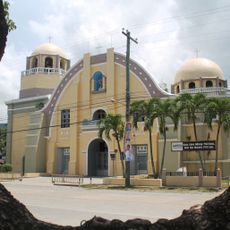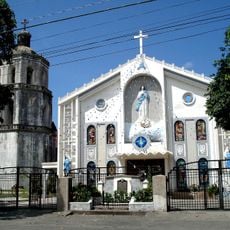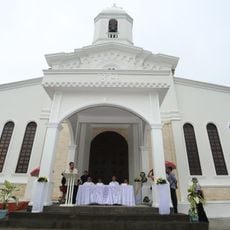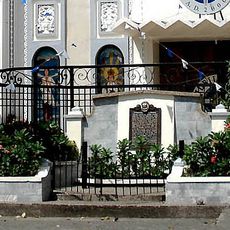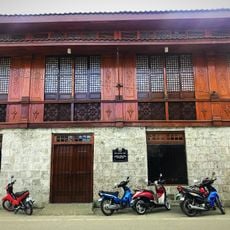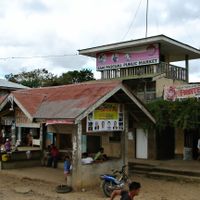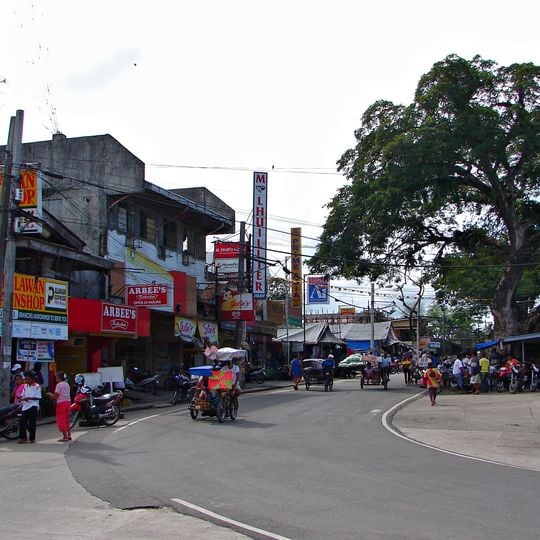
Ubay, municipality of the Philippines in the province of Bohol
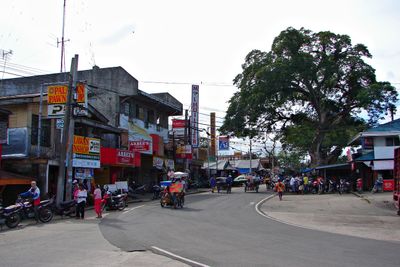
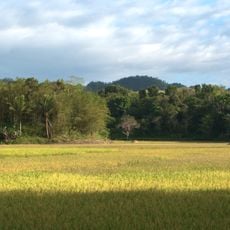
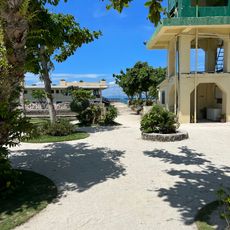
Ubay is a town in Bohol, Philippines, stretching along a coastline with long sandy beaches. The municipality consists of forty-four small villages and is primarily shaped by rice and corn farming plus fishing activities, where most residents work in agriculture, milling, or fishing operations.
The place received its name 'Ubay,' meaning 'alongside' or 'beside' in the local language, because historical travelers preferred the beaches to avoid strong currents in the nearby Cunigao Channel. On January 15, 1876, Ubay was officially established as a separate town after previously being part of a larger community called Talibon under respected leader Berudja Reyes.
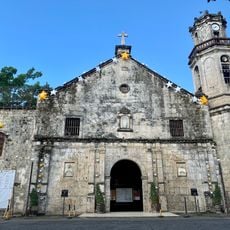
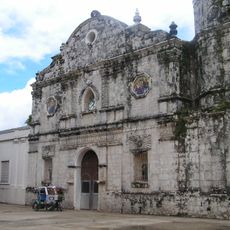
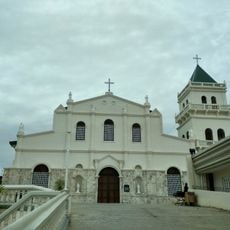
The local language Boholano shapes daily life here, spoken by nearly all residents in their conversations and markets. Roman Catholicism deeply influences community gatherings, celebrations, and the rhythm of people's lives throughout the town.
To move around town, travelers can use buses and minivans heading to nearby cities like Tagbilaran or take jeepneys to Talibon. The closest major airport is Bohol-Panglao International Airport, from which taxis or buses can reach Ubay.
Ferries connect Ubay with Bato on Leyte Island, usually departing in the early afternoon, making it an important trade link between islands. The name itself comes from the historical practice of merchants and travelers preferring the sandy beaches to avoid dangerous currents in the nearby strait.
The community of curious travelers
AroundUs brings together thousands of curated places, local tips, and hidden gems, enriched daily by 60,000 contributors worldwide.