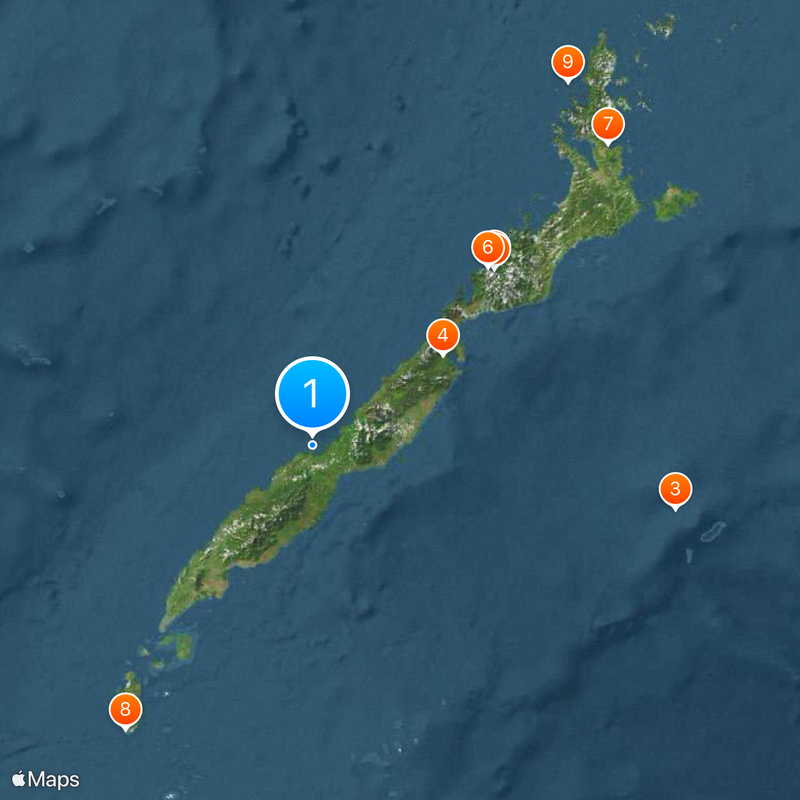
Tabon Caves, Archaeological cave complex in Quezon, Philippines.
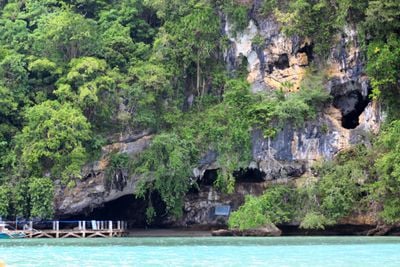
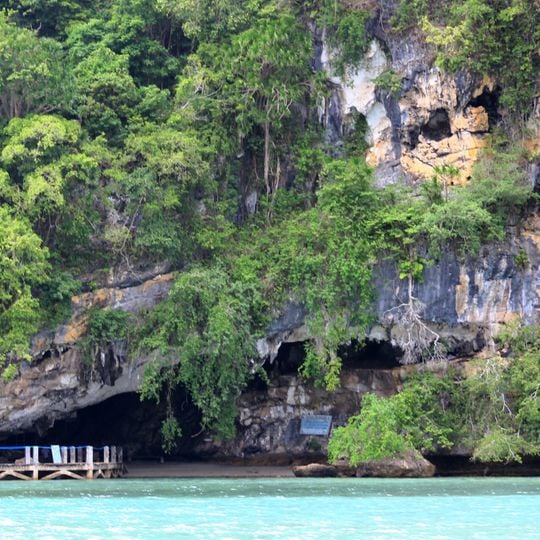
Tabon Caves form a limestone labyrinth with multiple chambers that hold skeletal remains, stone implements, and ceramic fragments testifying to human occupation across millennia. The aboveground entrances open into passages leading to low vaults, with some areas featuring artificial lighting and wooden walkways.
Excavations in the 1960s uncovered bone fragments and stone tools that prompted anthropologists to reevaluate the dates of human settlement in the region. Later campaigns brought to light ceramic vessels and burial sites that document different cultural layers across thousands of years.
The name Tabon comes from a local word for a bird species that nests inside the chambers. Visitors today see display cases with burial goods, showing how early communities placed ceramic vessels and stone implements alongside their dead.
Tours start from a visitor center and involve walks along uneven trails with steps descending into the chambers. Flashlights and helmets are sometimes provided, sturdy shoes with grip are necessary because of slippery rocks.
Over 200 interconnected caverns lie scattered across the site, yet most remain closed to the public while researchers continue to uncover layers. Only a small section has been set up for tours, with the remaining chambers staying active excavation sites.
The community of curious travelers
AroundUs brings together thousands of curated places, local tips, and hidden gems, enriched daily by 60,000 contributors worldwide.