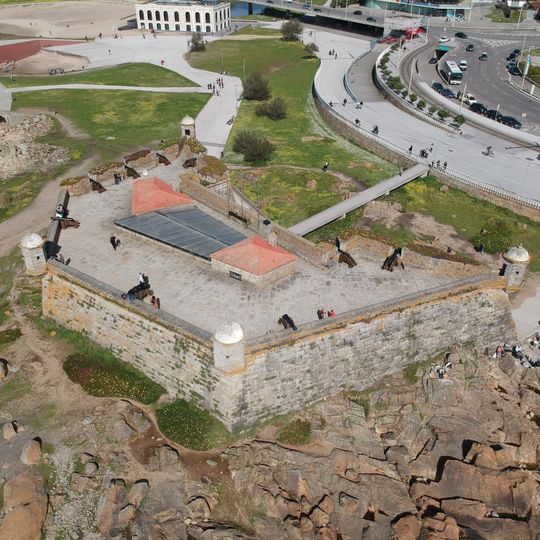
Fort of São Francisco do Queijo, 16th century coastal fort in Nevogilde, Portugal
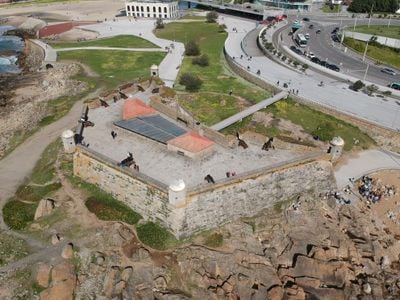
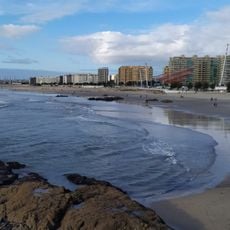
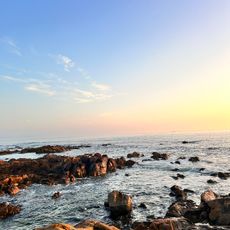
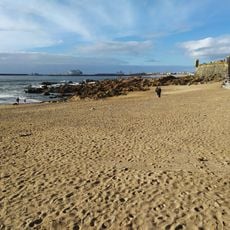
Fort of São Francisco do Queijo is a granite fortification that stands on a rocky outcrop along the Atlantic coast, built with thick walls and strategic viewing positions. The structure displays military architecture designed for defense, with compact spaces and robust construction designed to withstand attacks.
The fort was built between 1661 and 1662 based on plans by French engineer Miguel de l'Ècole to protect Porto from potential attacks by Galician fleets. Its strategic location was part of a broader defensive approach along the Portuguese coast during a period of political tension.
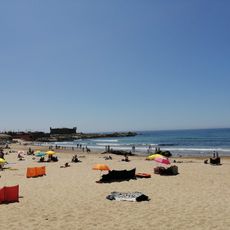
The fort represented a protective barrier for Porto's residents against external threats and shaped the coastal landscape. Today visitors can observe how its defensive role influenced the way people used and valued this stretch of shoreline.
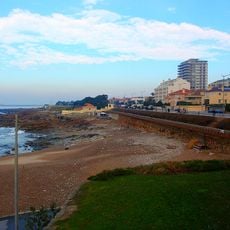
The site sits directly on the rocky coastline and is easily walkable from the old town, though expect uneven paths and rock formations along the way. Wearing sturdy shoes is recommended and visitors should be cautious during stormy weather since the location is exposed to wave activity.
The installation served multiple purposes over the centuries, shifting from military defense to customs duty and eventually to cultural heritage status. This functional transformation reveals how the site's importance evolved with the changing needs of the city.
The community of curious travelers
AroundUs brings together thousands of curated places, local tips, and hidden gems, enriched daily by 92,545 contributors worldwide.