Țara Călatei, Ethnographic region in western Cluj County and southern Sălaj County, Romania
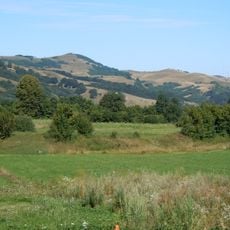
Țara Călatei is an ethnographic region in western Cluj County and southern Sălaj County, Romania, that stretches across valleys and basins near Cluj-Napoca. The area contains many settlements where Romanian and Hungarian populations live together throughout its territory.
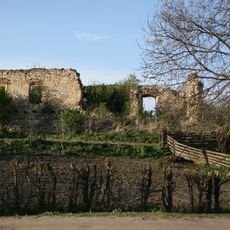
The area first appears in written records in 1443 under the name Kalotaszeg, marking an important moment in its documented history. The Bánffy family held large estates here from the 14th through the 19th century, shaping the region's character for centuries.
The traditional Hungarian folk art shows itself in clothing with bright colors and detailed embroidery patterns, which you notice during religious celebrations and community gatherings throughout the region.
The International Folk Music and Dance Camp held in Kalotaszentkirály offers hands-on instruction in traditional regional dances and music to visitors from around the world. Participants can learn about local traditions directly from people who practice them daily.
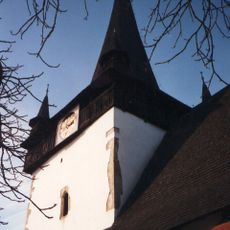
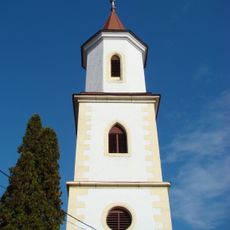
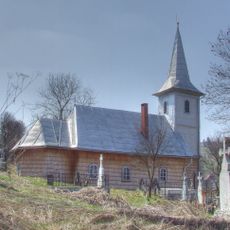
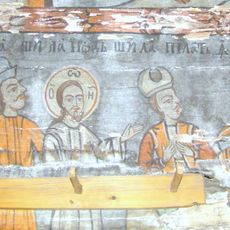
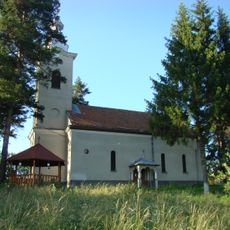
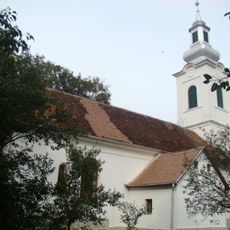
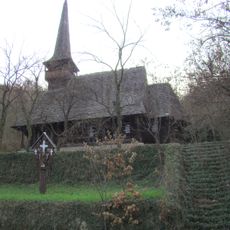
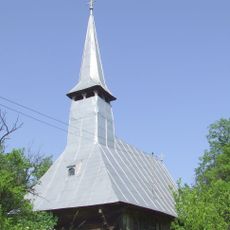
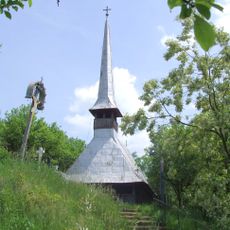
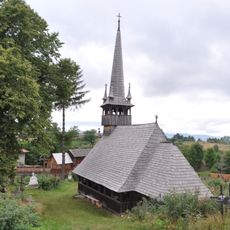
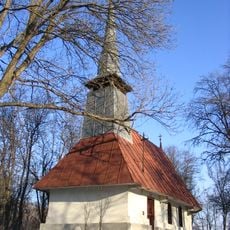
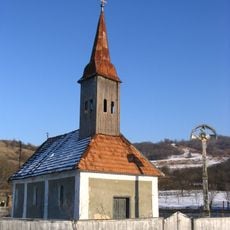
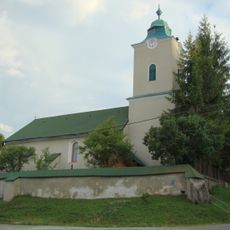
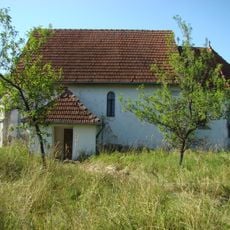
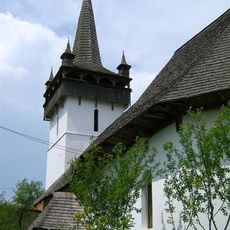
Churches in the region feature a distinctive style with white walls, fortified enclosures, and four-sided bell towers topped with wooden spires that stand out in the landscape. This design goes back to medieval times when communities needed to protect their sacred spaces.
The community of curious travelers
AroundUs brings together thousands of curated places, local tips, and hidden gems, enriched daily by 90,755 contributors worldwide.